
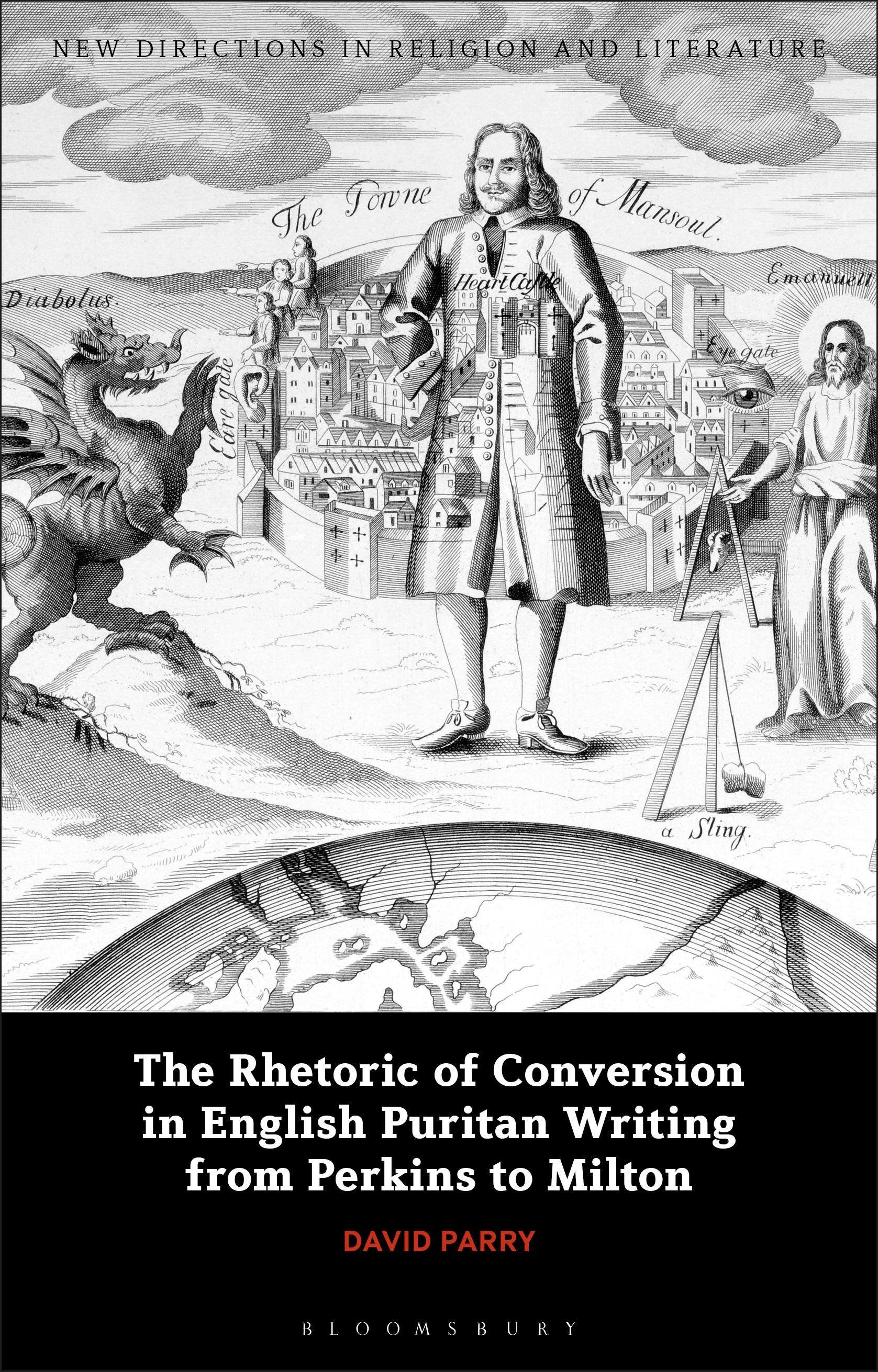
This rhetorical study of the persuasive practice of English Puritan preachers and writers demonstrates how they appeal to both reason and imagination in order to persuade their hearers and readers towards conversion, assurance of salvation and godly living. Examining works from a diverse range of preacher-writers such as William Perkins, Richard Sibbes, Richard Baxter and John Bunyan, this book maps out continuities and contrasts in the theory and practice of persuasion.
Tracing the emergence of Puritan allegory as an alternative, imaginative mode of rhetoric, it sheds new light on the paradoxical question of how allegories such as John Bunyan's The Pilgrim's Progress came to be among the most significant contributions of Puritanism to the English literary canon, despite the suspicions of allegory and imagination that were endemic in Puritan culture.
Concluding with reflections on how Milton deploys similar strategies to persuade his readers towards his idiosyncratic brand of godly faith, this book makes an original contribution to current scholarly conversations around the textual culture of Puritanism, the history of rhetoric, and the rhetorical character of theology.
Tracing the emergence of Puritan allegory as an alternative, imaginative mode of rhetoric, it sheds new light on the paradoxical question of how allegories such as John Bunyan's The Pilgrim's Progress came to be among the most significant contributions of Puritanism to the English literary canon, despite the suspicions of allegory and imagination that were endemic in Puritan culture.
Concluding with reflections on how Milton deploys similar strategies to persuade his readers towards his idiosyncratic brand of godly faith, this book makes an original contribution to current scholarly conversations around the textual culture of Puritanism, the history of rhetoric, and the rhetorical character of theology.
Zahle einfach mit Karte, Klarna, Apple Pay oder Google Pay. Nicht zufrieden? Du hast immer ein 14-tägiges Widerrufsrecht. Lies mehr in unseren AGB. Hast du Fragen, schreib uns eine E-Mail an hello@memmo.org.
Memmo macht das Lernen einfacher – wo auch immer du bist. Bei uns findest du deine Kursbücher und smarte Lerntools an einem Ort: Zusammenfassungen, Quizzes, Podcasts und Lernkarten. Und Ted, dein Lernbuddy, beantwortet alles, was du wissen möchtest. Über 50.000 Studierende lernen bereits hier – gemacht, damit du schneller lernst und weniger Stress hast.