
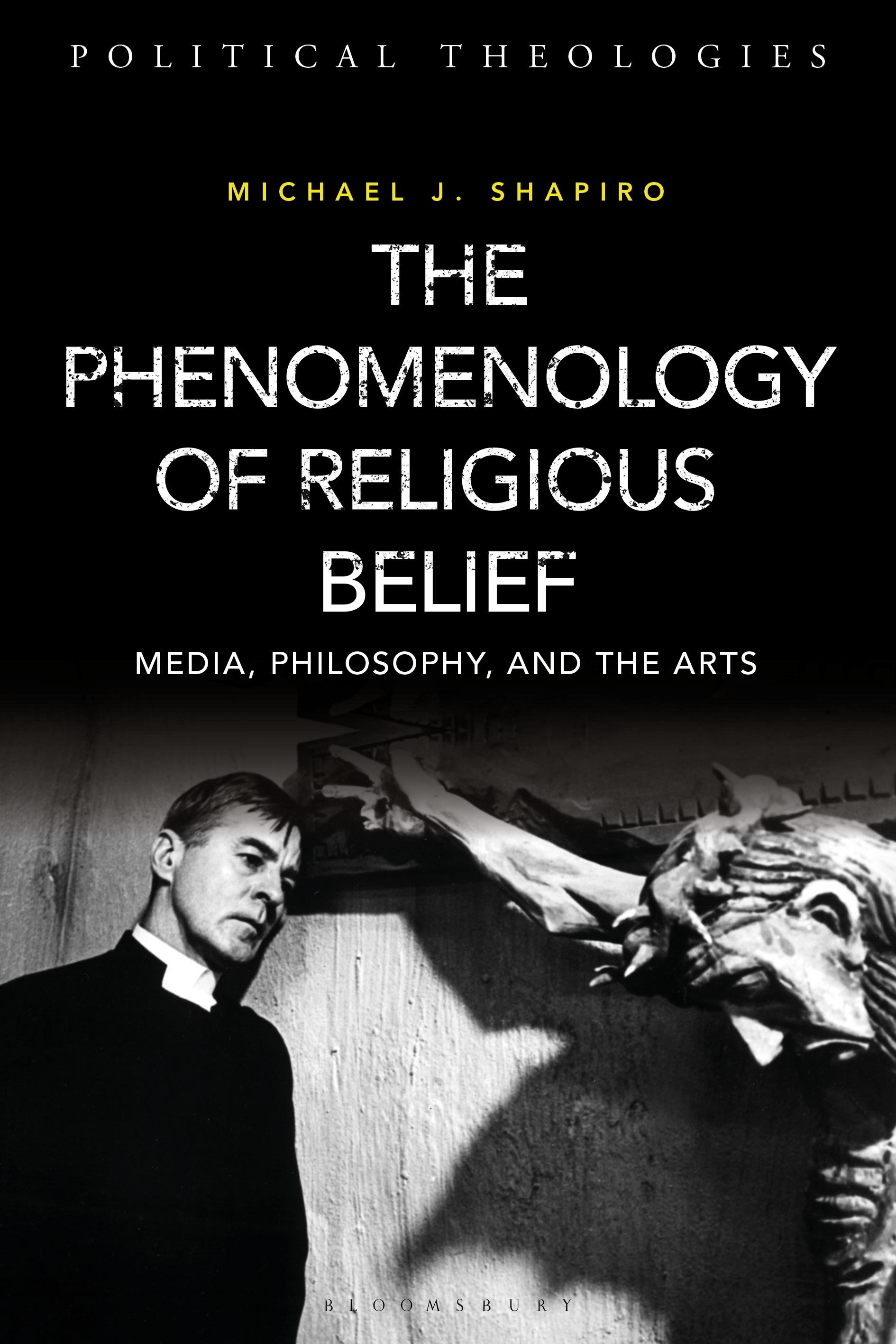
In The Phenomenology of Religious Belief, the renowned philosopher Michael J. Shapiro investigates how art – and in particular literature and film – can impact upon both traditional interpretations and critical studies of religious beliefs and experiences.
In doing so, he examines the work of prolific and award-winning writers such as Toni Morrison, Philip K. Dick and Robert Coover. By placing their work in conjunction with critical analyses of media by the likes of Ingmar Bergman and Pier Paolo Pasolini and combining it with the work of groundbreaking thinkers such as George Canguilhem, Giorgio Agamben and Slavoj Žižek, Shapiro takes a truly interdisciplinary approach to the question of how life should be lived. His assessment of phenomenological subjectivity also leads him to question the nature of political theology and extend the criticism of Pauline theology.
In doing so, he examines the work of prolific and award-winning writers such as Toni Morrison, Philip K. Dick and Robert Coover. By placing their work in conjunction with critical analyses of media by the likes of Ingmar Bergman and Pier Paolo Pasolini and combining it with the work of groundbreaking thinkers such as George Canguilhem, Giorgio Agamben and Slavoj Žižek, Shapiro takes a truly interdisciplinary approach to the question of how life should be lived. His assessment of phenomenological subjectivity also leads him to question the nature of political theology and extend the criticism of Pauline theology.
Zahle einfach mit Karte, Klarna, Apple Pay oder Google Pay. Nicht zufrieden? Du hast immer ein 14-tägiges Widerrufsrecht. Lies mehr in unseren AGB. Hast du Fragen, schreib uns eine E-Mail an hello@memmo.org.
Memmo macht das Lernen einfacher – wo auch immer du bist. Bei uns findest du deine Kursbücher und smarte Lerntools an einem Ort: Zusammenfassungen, Quizzes, Podcasts und Lernkarten. Und Ted, dein Lernbuddy, beantwortet alles, was du wissen möchtest. Über 50.000 Studierende lernen bereits hier – gemacht, damit du schneller lernst und weniger Stress hast.