
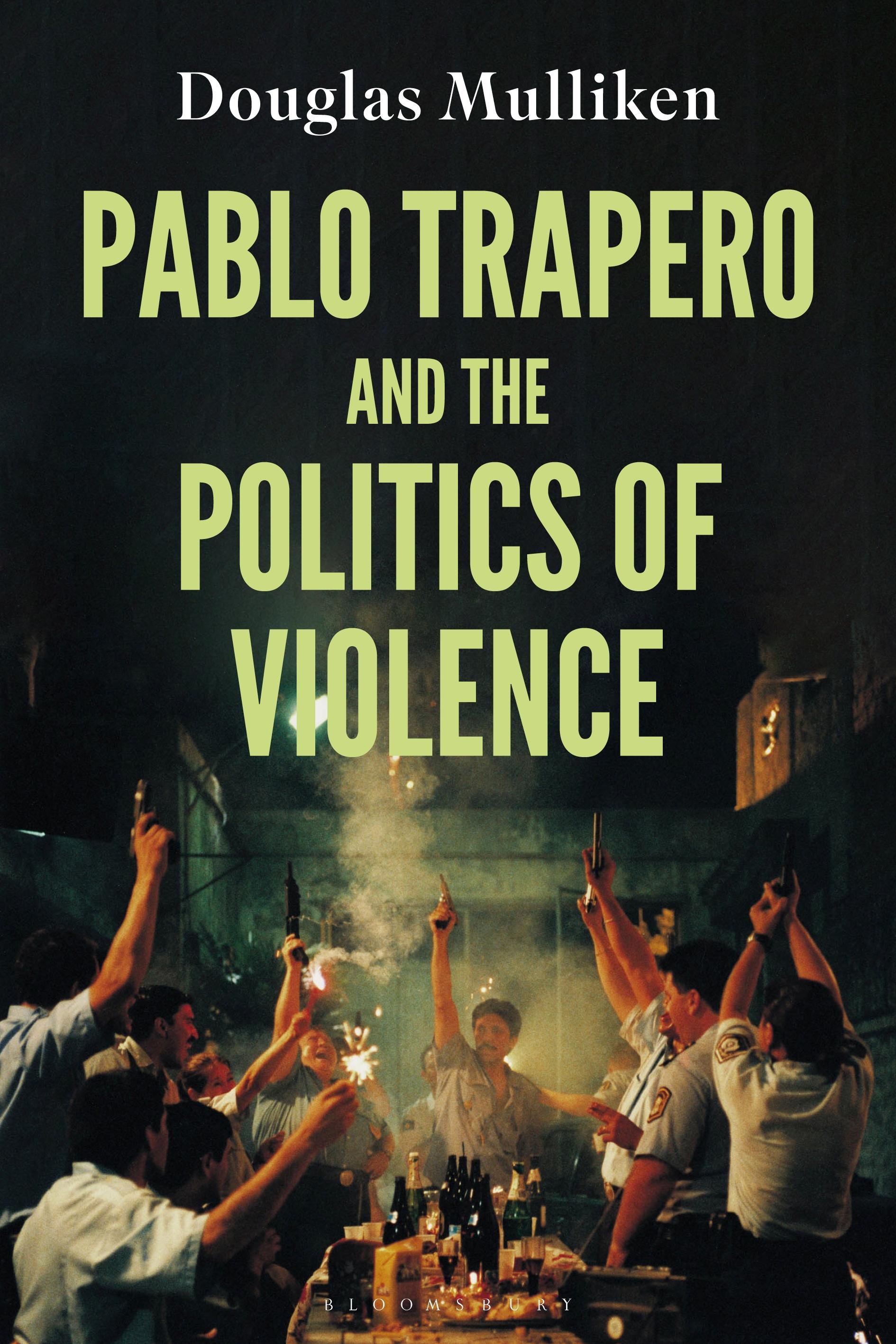
This innovative study finds that, through his unique representation of violence, Argentine director Pablo Trapero has established himself as one of the 21st century's distinctly political filmmakers. By examining the broad concept of violence and how it is represented on-screen, Douglas Mulliken identifies and analyzes the ways in which Trapero utilizes violence, particularly Žižek's concept of objective violence, as a means through which to mediate the political
Through a focus on several previously under-studied elements of Trapero's films, Mulliken highlights the ways in which the director's work represents present-day concerns about social inequalities and injustice in neoliberal Argentina on-screen. Finally, he examines how Trapero combines aspects of Argentina's long tradition of political film with elements of Nuevo Cine Argentino to create a unique political voice.
Through a focus on several previously under-studied elements of Trapero's films, Mulliken highlights the ways in which the director's work represents present-day concerns about social inequalities and injustice in neoliberal Argentina on-screen. Finally, he examines how Trapero combines aspects of Argentina's long tradition of political film with elements of Nuevo Cine Argentino to create a unique political voice.
Zahle einfach mit Karte, Klarna, Apple Pay oder Google Pay. Nicht zufrieden? Du hast immer ein 14-tägiges Widerrufsrecht. Lies mehr in unseren AGB. Hast du Fragen, schreib uns eine E-Mail an hello@memmo.org.
Memmo macht das Lernen einfacher – wo auch immer du bist. Bei uns findest du deine Kursbücher und smarte Lerntools an einem Ort: Zusammenfassungen, Quizzes, Podcasts und Lernkarten. Und Ted, dein Lernbuddy, beantwortet alles, was du wissen möchtest. Über 50.000 Studierende lernen bereits hier – gemacht, damit du schneller lernst und weniger Stress hast.