
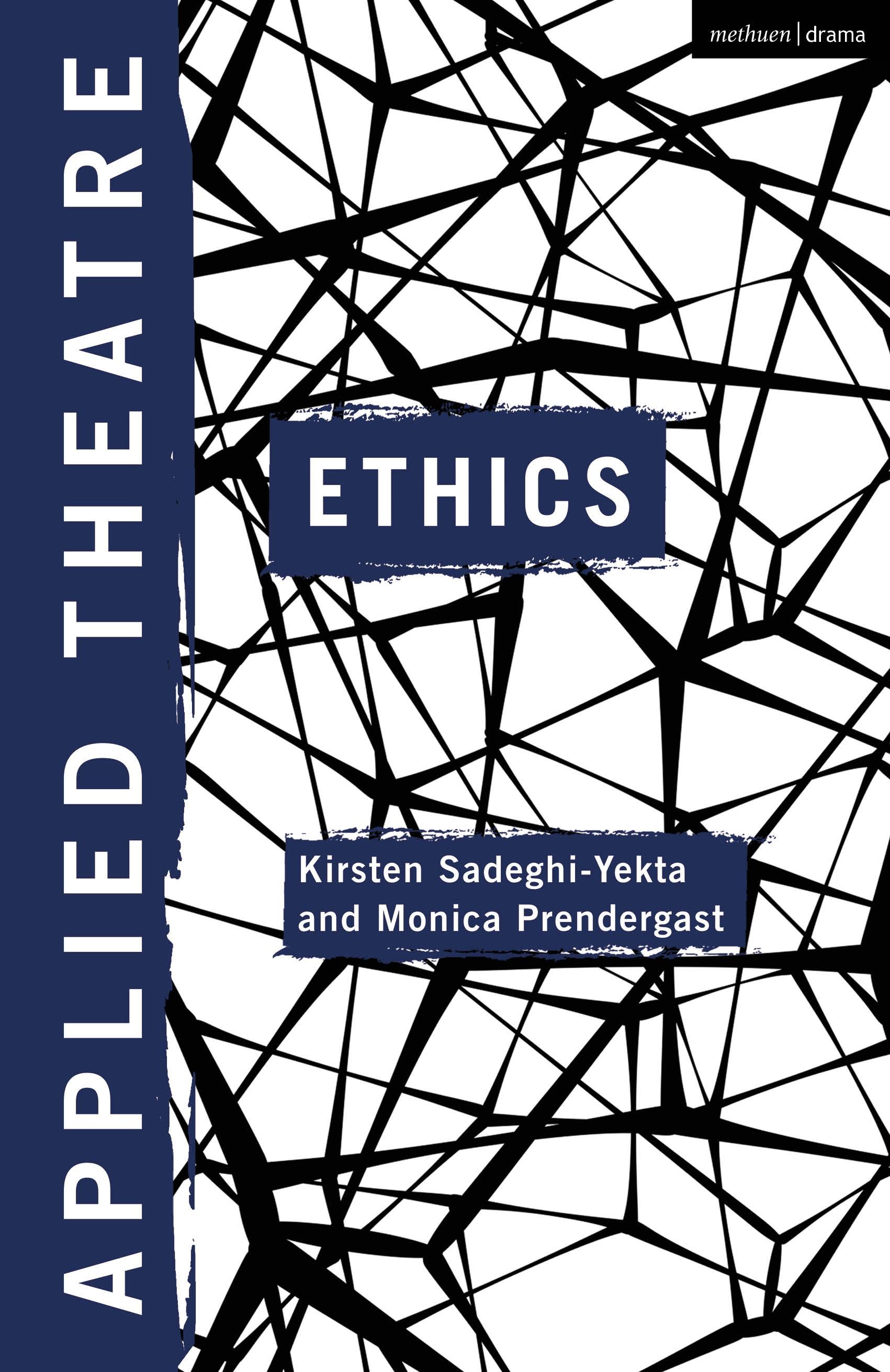
Applied Theatre: Ethics explores what it means for applied theatre practice to be conducted in an ethical way and examines how this affects the work done with communities and participants. It considers how practitioners can balance aesthetics and ethics when creating performance, particularly with relatively inexperienced and often vulnerable groups of people who are being asked to both tell and stage their stories. The two sections bring together theoretical and practical ways for theatre-makers to examine the ethics of their applied theatre projects.
Part One offers an overview of critical debates and the editors' reflections on their own practice. It introduces readers to ethics in applied theatre, informed by the thinking of philosophers, scholarly literature and the editors' own experience, including Indigenous perspectives on ethics and theatre. For applied theatre practitioners, it provides recommendations for community-based ethical approaches working with principles of voice, agency, care, service, collaboration, presence, relationality and reciprocity.
Part Two presents a range of international case studies that explore how the theories and issues are worked out in a variety of diverse practices. It considers ethics from varying critical perspectives and contexts, including projects in Greece, Nigeria, Sri Lanka, Bangladesh, the United States, the United Kingdom, the Philippines and Canada. Covering work with participants of many ages, the case studies include the work of a professional dance theatre company working with people in substance abuse recovery in the UK, interactive drama used in an educational context in Nigeria, and the complexities around an applied theatre project on race in the US.
Part One offers an overview of critical debates and the editors' reflections on their own practice. It introduces readers to ethics in applied theatre, informed by the thinking of philosophers, scholarly literature and the editors' own experience, including Indigenous perspectives on ethics and theatre. For applied theatre practitioners, it provides recommendations for community-based ethical approaches working with principles of voice, agency, care, service, collaboration, presence, relationality and reciprocity.
Part Two presents a range of international case studies that explore how the theories and issues are worked out in a variety of diverse practices. It considers ethics from varying critical perspectives and contexts, including projects in Greece, Nigeria, Sri Lanka, Bangladesh, the United States, the United Kingdom, the Philippines and Canada. Covering work with participants of many ages, the case studies include the work of a professional dance theatre company working with people in substance abuse recovery in the UK, interactive drama used in an educational context in Nigeria, and the complexities around an applied theatre project on race in the US.
Zahle einfach mit Karte, Klarna, Apple Pay oder Google Pay. Nicht zufrieden? Du hast immer ein 14-tägiges Widerrufsrecht. Lies mehr in unseren AGB. Hast du Fragen, schreib uns eine E-Mail an hello@memmo.org.
Memmo macht das Lernen einfacher – wo auch immer du bist. Bei uns findest du deine Kursbücher und smarte Lerntools an einem Ort: Zusammenfassungen, Quizzes, Podcasts und Lernkarten. Und Ted, dein Lernbuddy, beantwortet alles, was du wissen möchtest. Über 50.000 Studierende lernen bereits hier – gemacht, damit du schneller lernst und weniger Stress hast.