
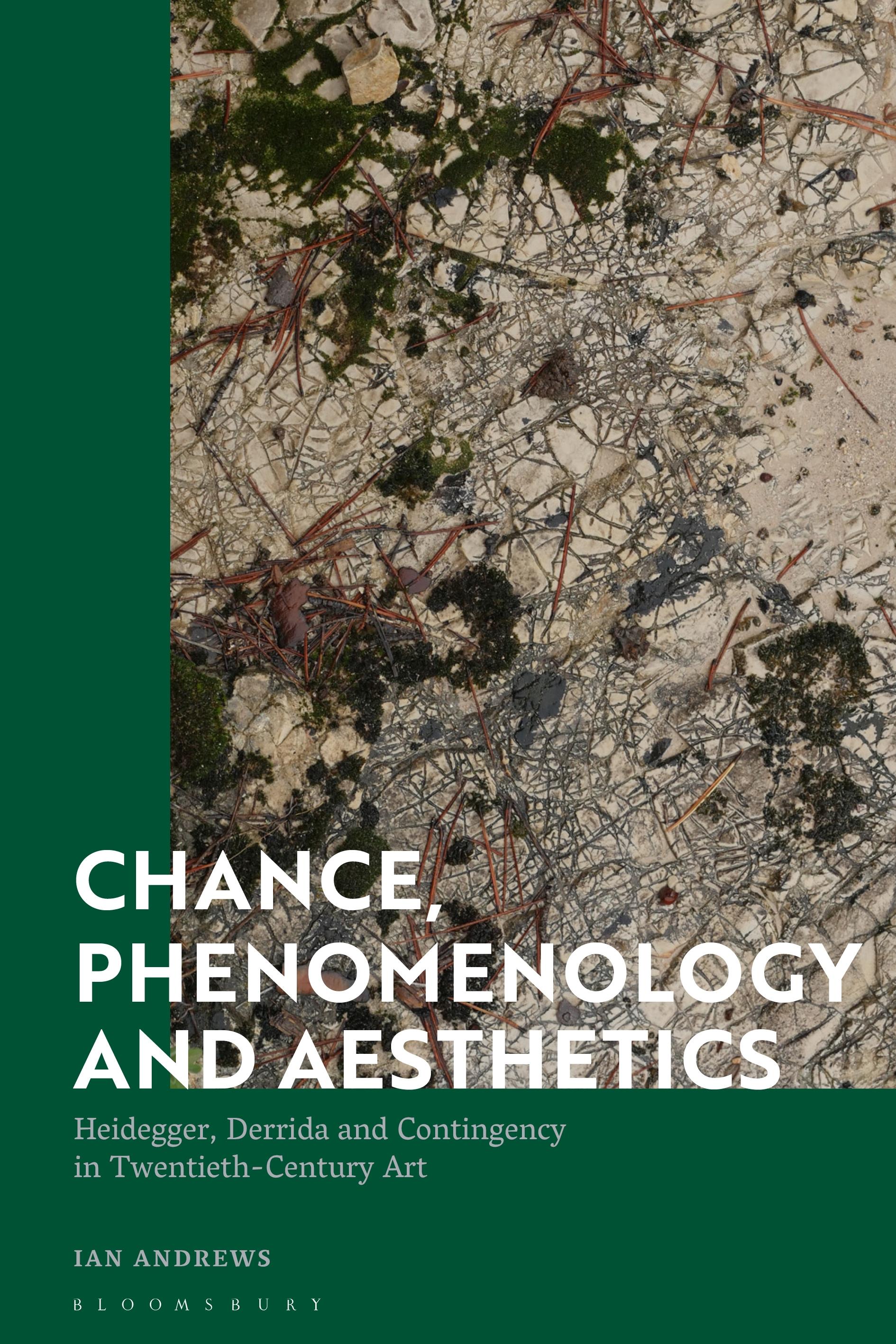
In drawing upon the work of Jacques Derrida, Edmund Husserl and Martin Heidegger and aligning it with a new trend in interdisciplinary phenomenology, Ian Andrews provides a unique look at the role of chance in art and its philosophical implications. His account of how the composer John Cage and other avant-garde creatives such as Marcel Duchamp, Tristan Tzara, Sol LeWitt and Ed Ruscha used chance in their work to question the structures of experience and prompt a new engagement with these phenomena makes a truly important contribution to Continental philosophy.
Chance, Phenomenology and Aesthetics will appeal to scholars and advanced students in the disciplines of phenomenology, deconstruction and hermeneutics, as well as being compelling reading for anyone interested in pursuing sound studies, art theory and art history through an interdisciplinary post-phenomenological lens.
Chance, Phenomenology and Aesthetics will appeal to scholars and advanced students in the disciplines of phenomenology, deconstruction and hermeneutics, as well as being compelling reading for anyone interested in pursuing sound studies, art theory and art history through an interdisciplinary post-phenomenological lens.
Zahle einfach mit Karte, Klarna, Apple Pay oder Google Pay. Nicht zufrieden? Du hast immer ein 14-tägiges Widerrufsrecht. Lies mehr in unseren AGB. Hast du Fragen, schreib uns eine E-Mail an hello@memmo.org.
Memmo macht das Lernen einfacher – wo auch immer du bist. Bei uns findest du deine Kursbücher und smarte Lerntools an einem Ort: Zusammenfassungen, Quizzes, Podcasts und Lernkarten. Und Ted, dein Lernbuddy, beantwortet alles, was du wissen möchtest. Über 50.000 Studierende lernen bereits hier – gemacht, damit du schneller lernst und weniger Stress hast.