
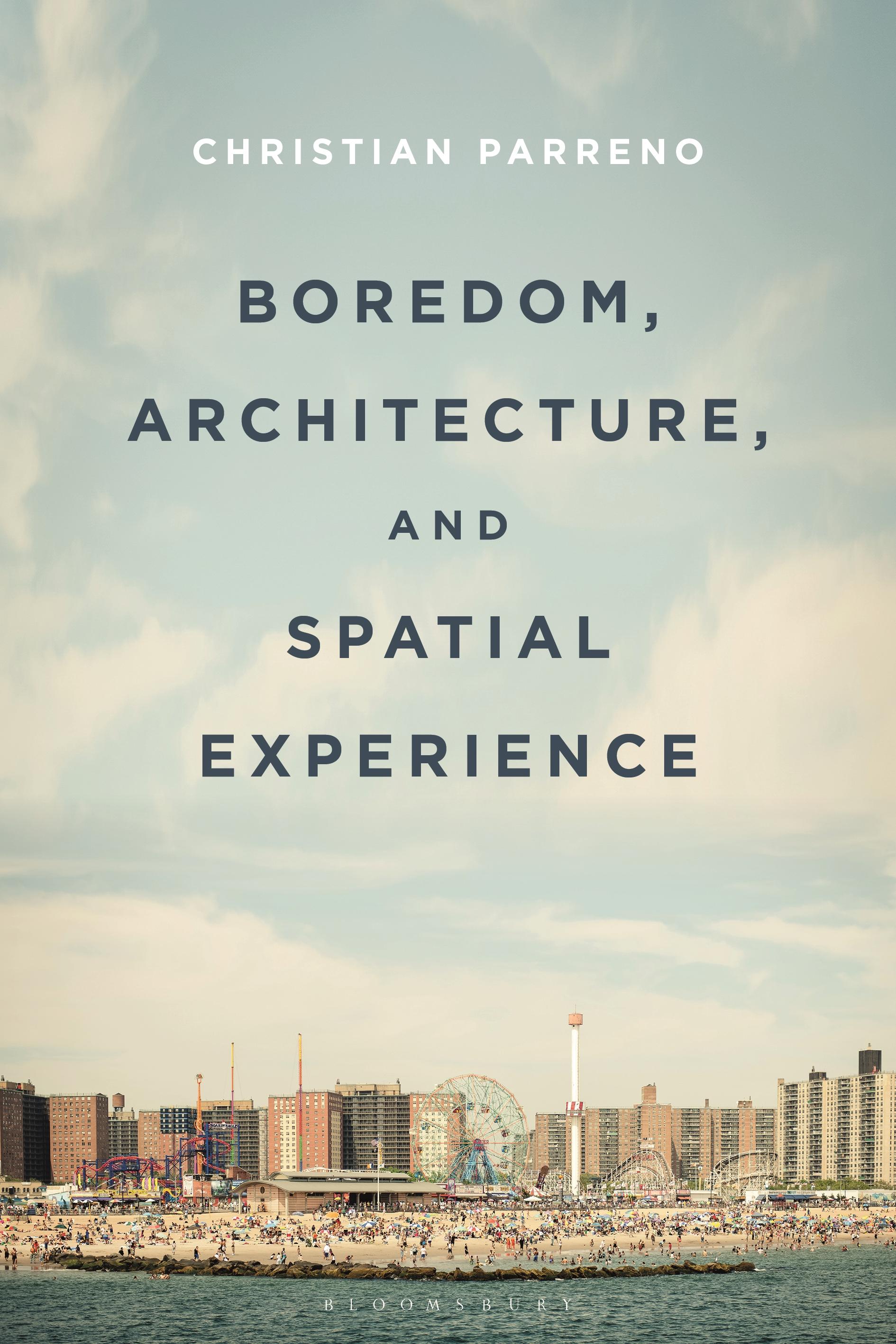
Boredom is a ubiquitous feature of modern life. Endured by everyone, it is both cause and effect of modernity, and of situations, spaces and surroundings. As such, this book argues, boredom shares an intimate relationship with architecture-one that has been seldom explored in architectural history and theory.
Boredom, Architecture, and Spatial Experience investigates that relationship, showing how an understanding of boredom affords us a new way of looking at and understanding the modern experience. It reconstructs a series of episodes in architectural history, from the 19th century to the present, to survey how boredom became a normalized component of the everyday, how it infiltrated into the production and reception of architecture, and how it serves to diagnose moments of crisis in the continuous transformations of the built environment.
Erudite and innovative, the work moves deftly from architectural theory and philosophy to literature and psychology to make its case. Combining archival material, scholarly sources, and illuminating excerpts from conversations with practitioners and thinkers-including Charles Jencks, Rem Koolhaas, Sylvia Lavin, and Jorge Silvetti-it reveals the complexity and importance of boredom in architecture.
Boredom, Architecture, and Spatial Experience investigates that relationship, showing how an understanding of boredom affords us a new way of looking at and understanding the modern experience. It reconstructs a series of episodes in architectural history, from the 19th century to the present, to survey how boredom became a normalized component of the everyday, how it infiltrated into the production and reception of architecture, and how it serves to diagnose moments of crisis in the continuous transformations of the built environment.
Erudite and innovative, the work moves deftly from architectural theory and philosophy to literature and psychology to make its case. Combining archival material, scholarly sources, and illuminating excerpts from conversations with practitioners and thinkers-including Charles Jencks, Rem Koolhaas, Sylvia Lavin, and Jorge Silvetti-it reveals the complexity and importance of boredom in architecture.
Zahle einfach mit Karte, Klarna, Apple Pay oder Google Pay. Nicht zufrieden? Du hast immer ein 14-tägiges Widerrufsrecht. Lies mehr in unseren AGB. Hast du Fragen, schreib uns eine E-Mail an hello@memmo.org.
Memmo macht das Lernen einfacher – wo auch immer du bist. Bei uns findest du deine Kursbücher und smarte Lerntools an einem Ort: Zusammenfassungen, Quizzes, Podcasts und Lernkarten. Und Ted, dein Lernbuddy, beantwortet alles, was du wissen möchtest. Über 50.000 Studierende lernen bereits hier – gemacht, damit du schneller lernst und weniger Stress hast.