
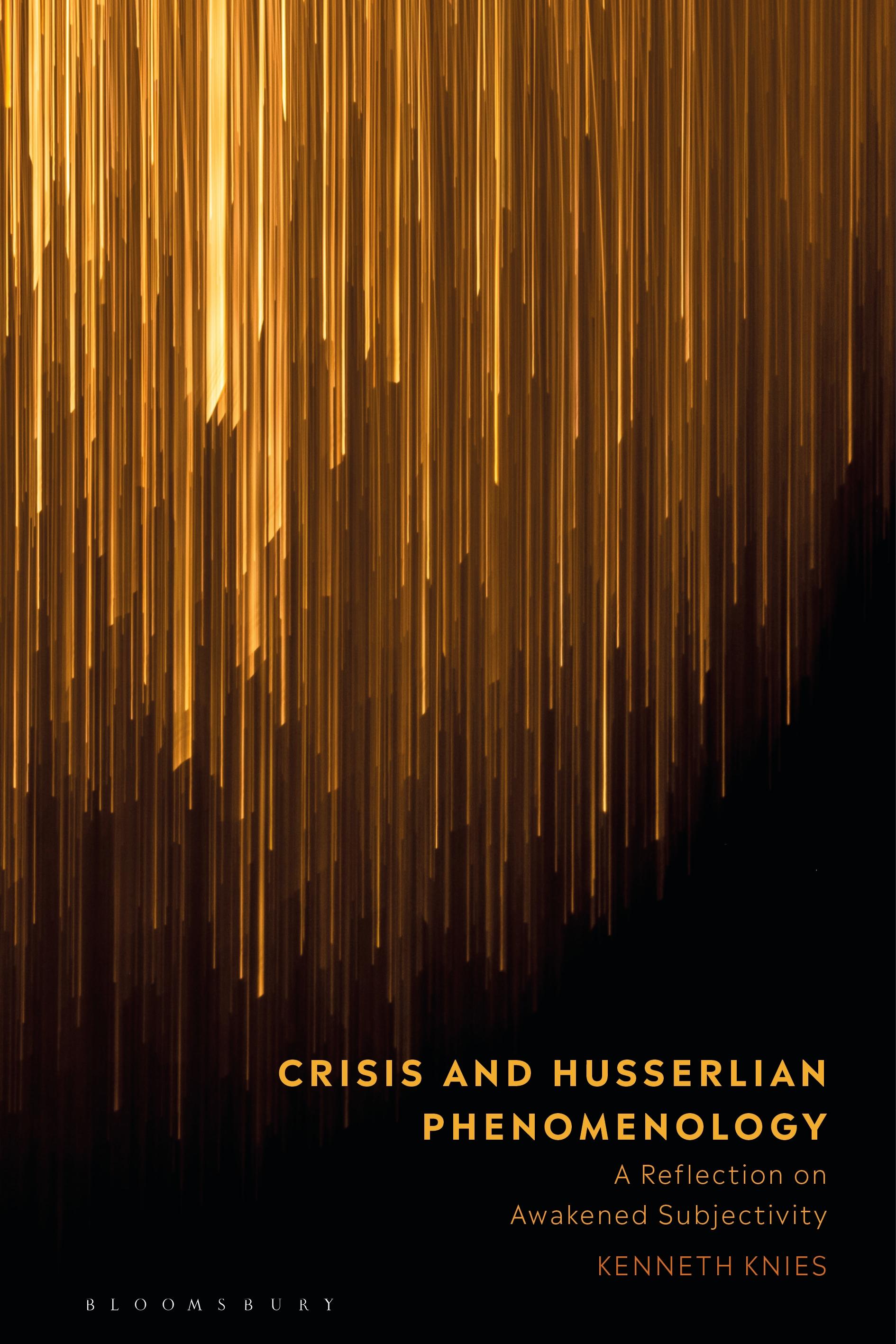
Shedding new light on the theme of "crisis" in Husserl's phenomenology, this book reflects on the experience of awakening to one's own naïveté. Beginning from everyday examples, Knies examines how this awakening makes us culpable for not having noticed what was noticeable. He goes on to apply this examination to fundamental issues in phenomenology, arguing that the appropriation of naïve life has a different structure from the reflection on pre-reflective life. Husserl's work on the "crisis" is presented as an attempt to integrate this appropriation into a systematic transcendental philosophy.
Crisis and Husserlian Phenomenology brings Husserl into dialogue with other key thinkers in Continental philosophy such as Descartes, Kant, Heidegger, Merleau-Ponty and Derrida. It is suitable for students and scholars alike, especially those interested in subjectivity, responsibility and the philosophy of history.
Crisis and Husserlian Phenomenology brings Husserl into dialogue with other key thinkers in Continental philosophy such as Descartes, Kant, Heidegger, Merleau-Ponty and Derrida. It is suitable for students and scholars alike, especially those interested in subjectivity, responsibility and the philosophy of history.
Zahle einfach mit Karte, Klarna, Apple Pay oder Google Pay. Nicht zufrieden? Du hast immer ein 14-tägiges Widerrufsrecht. Lies mehr in unseren AGB. Hast du Fragen, schreib uns eine E-Mail an hello@memmo.org.
Memmo macht das Lernen einfacher – wo auch immer du bist. Bei uns findest du deine Kursbücher und smarte Lerntools an einem Ort: Zusammenfassungen, Quizzes, Podcasts und Lernkarten. Und Ted, dein Lernbuddy, beantwortet alles, was du wissen möchtest. Über 50.000 Studierende lernen bereits hier – gemacht, damit du schneller lernst und weniger Stress hast.