
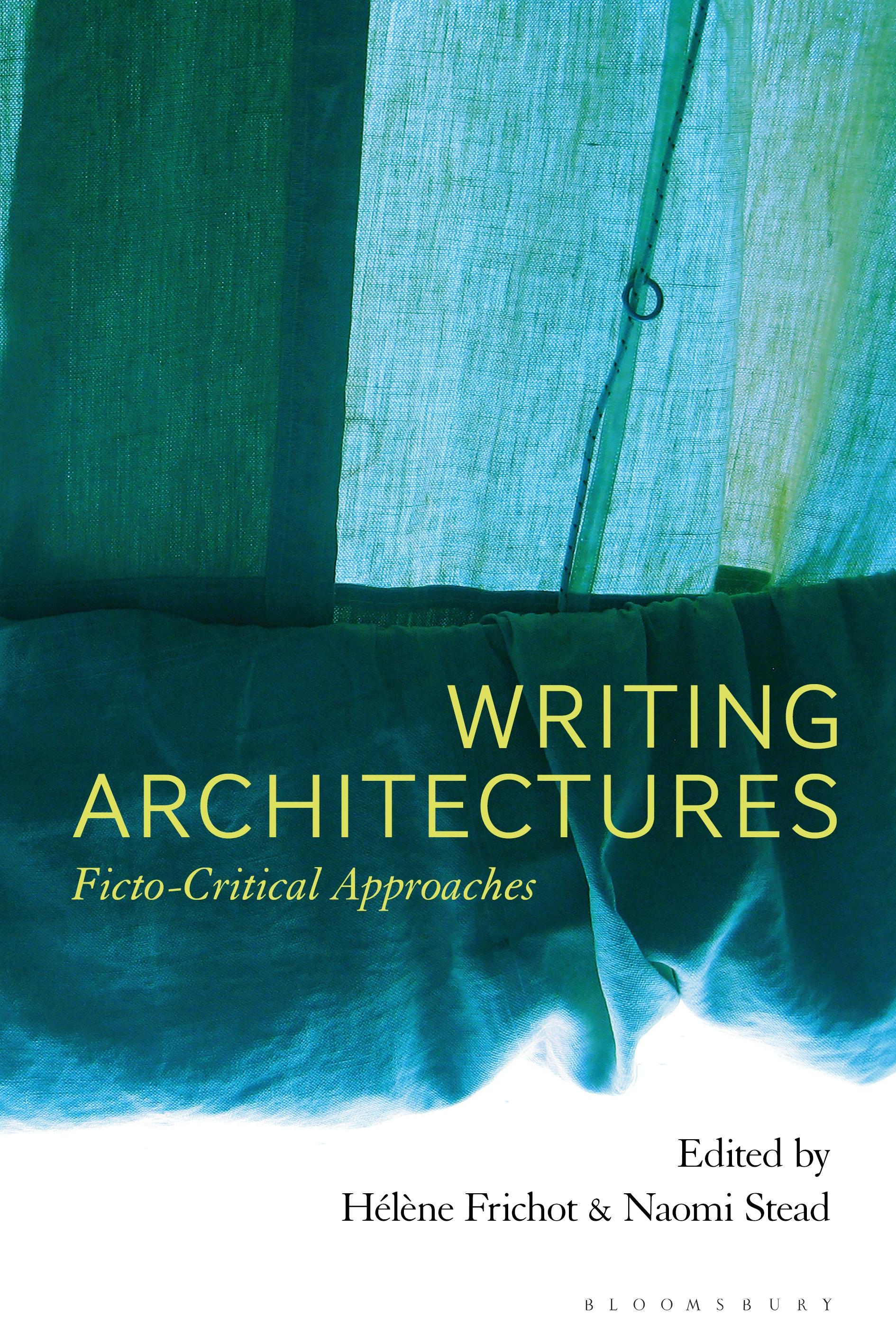
Architects and fiction writers share the same ambition: to imagine new worlds into being. Every architectural proposition is a kind of fiction before it becomes a built fact; likewise, every written fiction relies on the construction of a context in which a story can take place.
This collection of essays explores what happens when fiction, experimental writing and criticism are combined and applied to architectural projects and problems. It begins with ficto-criticism – an experimental and often feminist mode of writing which fuses the forms and genres of essay, critique, and story – and extends it into the domain of architecture, challenging assumptions about our contemporary social and political realities, and placing architecture in contact with such disciplines as cultural studies, literary theory and ethnography. These sixteen newly-written pieces have been selected for this volume to show how ficto-critical writing can be a powerful vehicle for creative architectural practice, providing new opportunities to explore modes of writing about architecture both within and beyond the discipline.
The collection represents a broad range of geographical and cultural positions including indigenous and non-Western contexts, and includes a foreword and afterword by important thinkers in the domains of architectural criticism (Jane Rendell) and cultural studies/ethnography (Stephen Muecke).
This collection of essays explores what happens when fiction, experimental writing and criticism are combined and applied to architectural projects and problems. It begins with ficto-criticism – an experimental and often feminist mode of writing which fuses the forms and genres of essay, critique, and story – and extends it into the domain of architecture, challenging assumptions about our contemporary social and political realities, and placing architecture in contact with such disciplines as cultural studies, literary theory and ethnography. These sixteen newly-written pieces have been selected for this volume to show how ficto-critical writing can be a powerful vehicle for creative architectural practice, providing new opportunities to explore modes of writing about architecture both within and beyond the discipline.
The collection represents a broad range of geographical and cultural positions including indigenous and non-Western contexts, and includes a foreword and afterword by important thinkers in the domains of architectural criticism (Jane Rendell) and cultural studies/ethnography (Stephen Muecke).
Zahle einfach mit Karte, Klarna, Apple Pay oder Google Pay. Nicht zufrieden? Du hast immer ein 14-tägiges Widerrufsrecht. Lies mehr in unseren AGB. Hast du Fragen, schreib uns eine E-Mail an hello@memmo.org.
Memmo macht das Lernen einfacher – wo auch immer du bist. Bei uns findest du deine Kursbücher und smarte Lerntools an einem Ort: Zusammenfassungen, Quizzes, Podcasts und Lernkarten. Und Ted, dein Lernbuddy, beantwortet alles, was du wissen möchtest. Über 50.000 Studierende lernen bereits hier – gemacht, damit du schneller lernst und weniger Stress hast.