
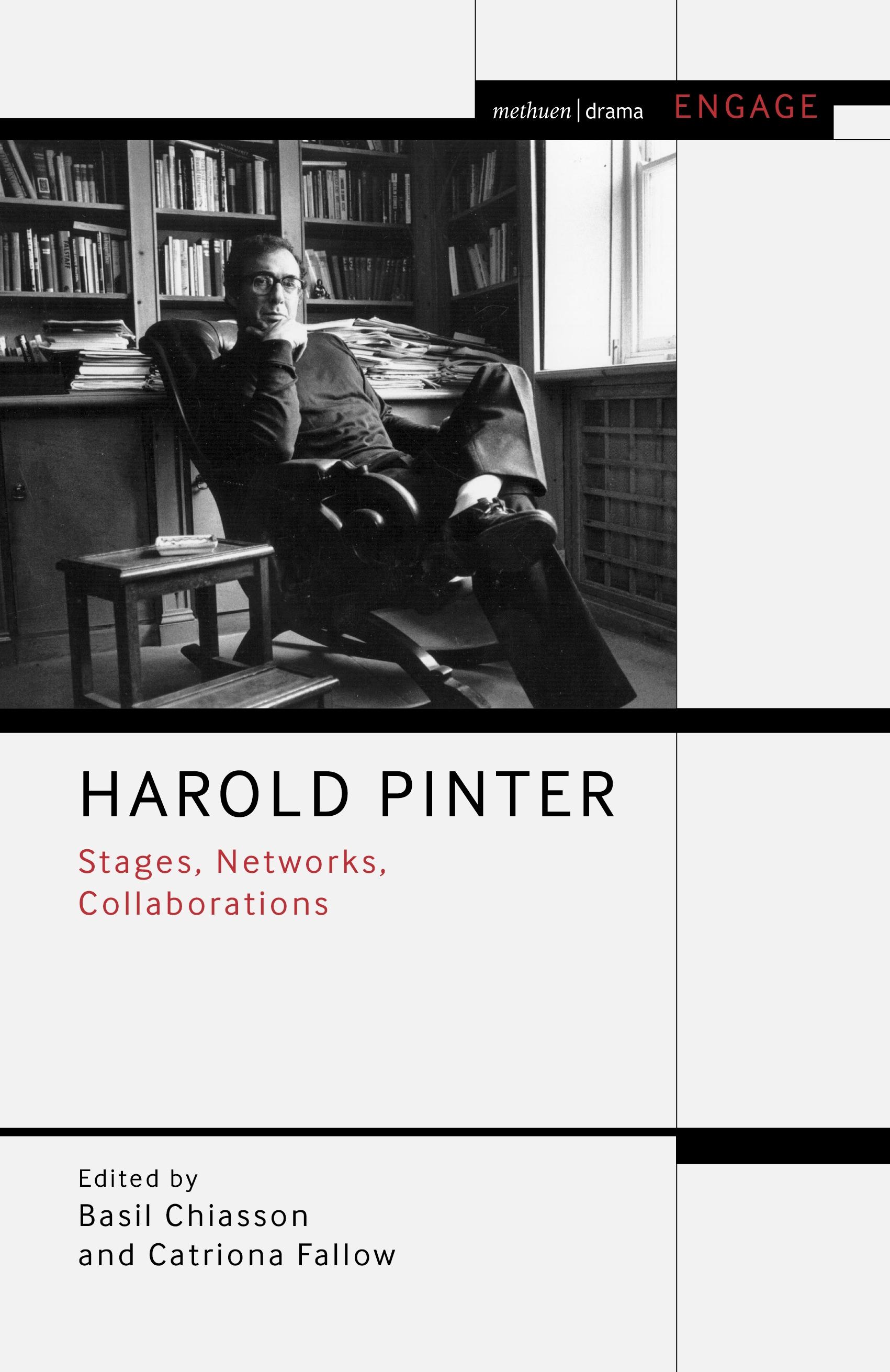
This important book offers a thematic collection of critical essays, ideal for undergraduate courses on modern British theatre, on Harold Pinter's theatrical works, alongside new interviews with contemporary theatre practitioners.
The life and works of Harold Pinter (1930–2008), a pivotal figure in twentieth- and twenty-first century British theatre, have been widely discussed, debated and celebrated internationally. For over five decades, Pinter's work traversed and redefined various forms and genres, constantly in dialogue with, and often impacting the work of, other writers, artists and activists. He is today considered one of the most important British playwrights ever to have lived.
Through combining a reconsideration of key Pinter scholarship with new contexts, voices and theoretical approaches, it opens up fresh insights into the author's work, politics, collaborations and his enduring status as one of the world's foremost twentieth-century dramatists.
Divided into three parts, the book is compiled of a collection of chapters that re-contextualize Pinter as a cultural figure; explore and interrogate his influence on contemporary British playwriting; and offer a series of original interviews with theatre-makers engaging in the staging of Pinter's work today. Reconsiderations of Pinter's relationship to literary and theatrical movements such as Modernism and the Theatre of the Absurd; interrogations of the role of class, elitism and religious and cultural identity sit alongside chapters on Pinter's personal politics, specifically in relation to the Middle East.
The life and works of Harold Pinter (1930–2008), a pivotal figure in twentieth- and twenty-first century British theatre, have been widely discussed, debated and celebrated internationally. For over five decades, Pinter's work traversed and redefined various forms and genres, constantly in dialogue with, and often impacting the work of, other writers, artists and activists. He is today considered one of the most important British playwrights ever to have lived.
Through combining a reconsideration of key Pinter scholarship with new contexts, voices and theoretical approaches, it opens up fresh insights into the author's work, politics, collaborations and his enduring status as one of the world's foremost twentieth-century dramatists.
Divided into three parts, the book is compiled of a collection of chapters that re-contextualize Pinter as a cultural figure; explore and interrogate his influence on contemporary British playwriting; and offer a series of original interviews with theatre-makers engaging in the staging of Pinter's work today. Reconsiderations of Pinter's relationship to literary and theatrical movements such as Modernism and the Theatre of the Absurd; interrogations of the role of class, elitism and religious and cultural identity sit alongside chapters on Pinter's personal politics, specifically in relation to the Middle East.
Zahle einfach mit Karte, Klarna, Apple Pay oder Google Pay. Nicht zufrieden? Du hast immer ein 14-tägiges Widerrufsrecht. Lies mehr in unseren AGB. Hast du Fragen, schreib uns eine E-Mail an hello@memmo.org.
Memmo macht das Lernen einfacher – wo auch immer du bist. Bei uns findest du deine Kursbücher und smarte Lerntools an einem Ort: Zusammenfassungen, Quizzes, Podcasts und Lernkarten. Und Ted, dein Lernbuddy, beantwortet alles, was du wissen möchtest. Über 50.000 Studierende lernen bereits hier – gemacht, damit du schneller lernst und weniger Stress hast.