
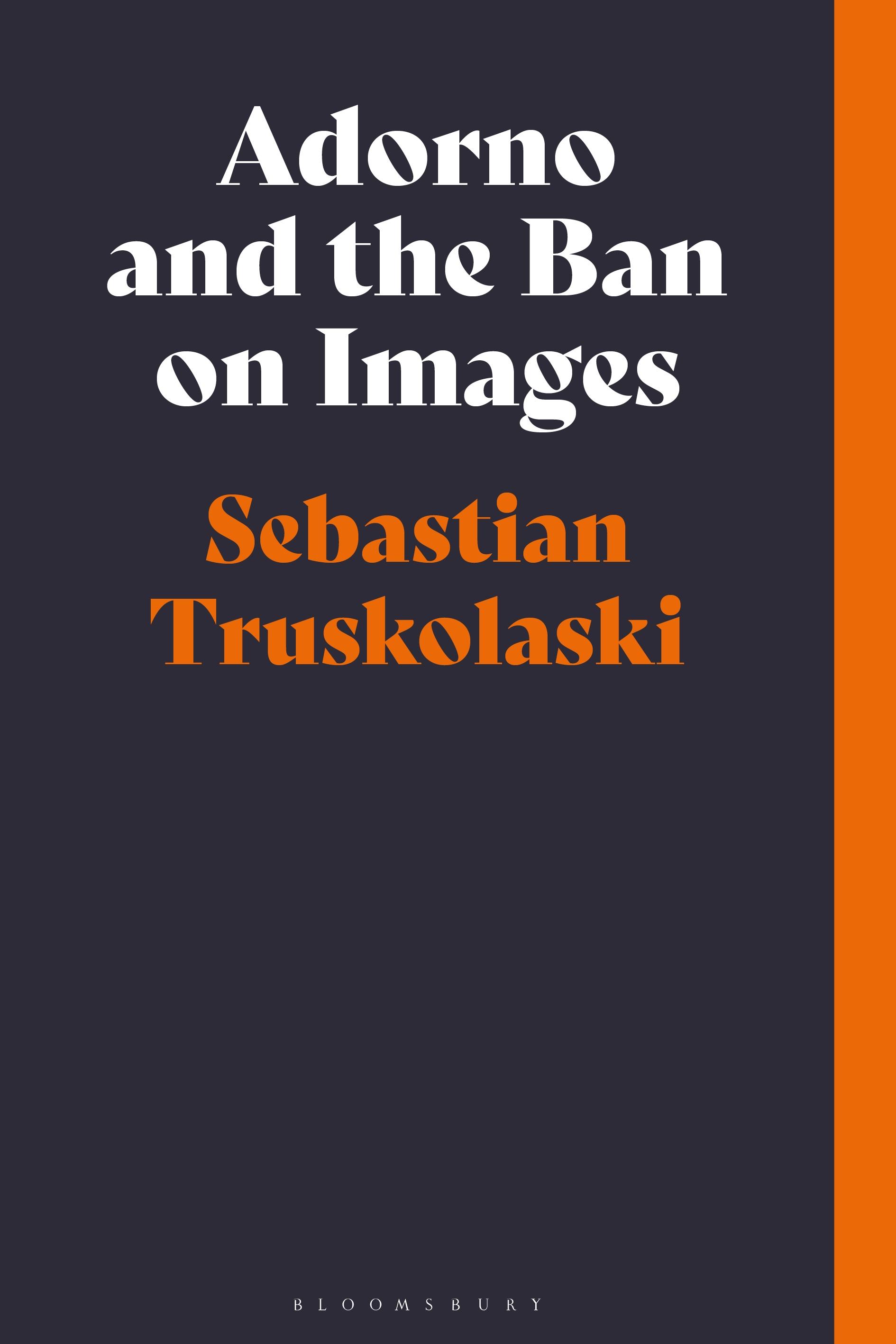
This book upends some of the myths that have come to surround the work of the philosopher Theodor W. Adorno – not least amongst them, his supposed fatalism.
Sebastian Truskolaski argues that Adorno's writings allow us to address what is arguably the central challenge of modern philosophy: how to picture a world beyond suffering and injustice without, at the same time, betraying its vital impulse. By re-appraising Adorno's writings on politics, philosophy, and art, this book reconstructs this notoriously difficult author's overall project from a radically new perspective (Adorno's famous 'standpoint of redemption'), and brings his central concerns to bear on the problems of today.
On the one hand, this means reading Adorno alongside his principal interlocutors (including Kant, Marx and Benjamin). On the other hand, it means asking how his secular brand of social criticism can serve to safeguard the image of a better world – above all, when the invocation of this image occurs alongside Adorno's recurrent reference to the Old Testament ban on making images of God.
By reading Adorno in this iconoclastic way, Adorno and the Ban on Images contributes to current debates about Utopia that have come to define political visions across the political spectrum.
Sebastian Truskolaski argues that Adorno's writings allow us to address what is arguably the central challenge of modern philosophy: how to picture a world beyond suffering and injustice without, at the same time, betraying its vital impulse. By re-appraising Adorno's writings on politics, philosophy, and art, this book reconstructs this notoriously difficult author's overall project from a radically new perspective (Adorno's famous 'standpoint of redemption'), and brings his central concerns to bear on the problems of today.
On the one hand, this means reading Adorno alongside his principal interlocutors (including Kant, Marx and Benjamin). On the other hand, it means asking how his secular brand of social criticism can serve to safeguard the image of a better world – above all, when the invocation of this image occurs alongside Adorno's recurrent reference to the Old Testament ban on making images of God.
By reading Adorno in this iconoclastic way, Adorno and the Ban on Images contributes to current debates about Utopia that have come to define political visions across the political spectrum.
Zahle einfach mit Karte, Klarna, Apple Pay oder Google Pay. Nicht zufrieden? Du hast immer ein 14-tägiges Widerrufsrecht. Lies mehr in unseren AGB. Hast du Fragen, schreib uns eine E-Mail an hello@memmo.org.
Memmo macht das Lernen einfacher – wo auch immer du bist. Bei uns findest du deine Kursbücher und smarte Lerntools an einem Ort: Zusammenfassungen, Quizzes, Podcasts und Lernkarten. Und Ted, dein Lernbuddy, beantwortet alles, was du wissen möchtest. Über 50.000 Studierende lernen bereits hier – gemacht, damit du schneller lernst und weniger Stress hast.