
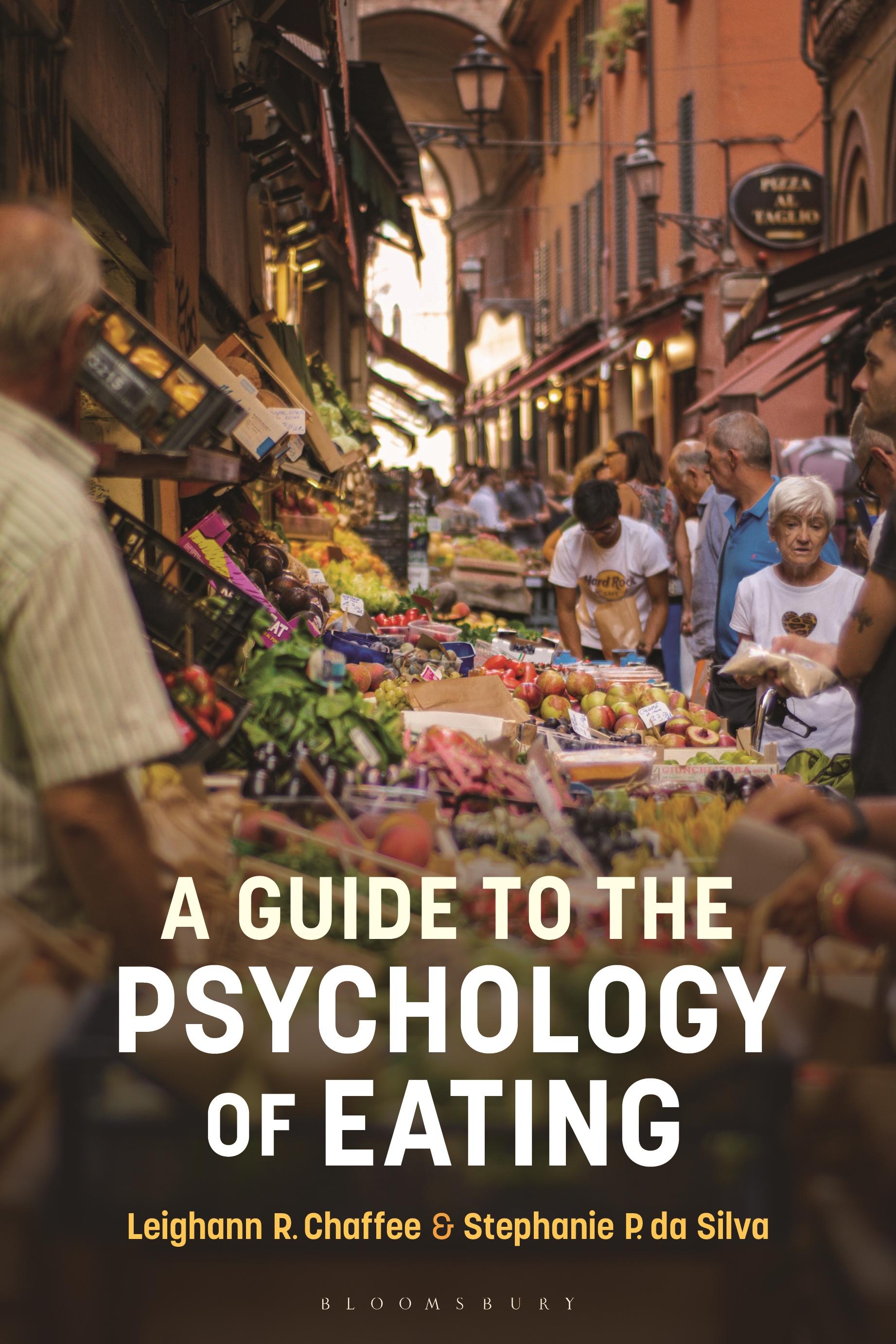
Why are spicy cuisines characteristic of hot climates? Does our stomach or our brain tell us when it is time to eat? And how do we decide if bugs are food? Employing a learner-centered approach, this introduction to the psychological mechanisms of consumption engages readers with questions and cross-cultural examples to promote critical analysis and evidence-based comprehension.
The discipline of psychology provides an important perspective to the study of eating, given the remarkable complexity of our food environments (including society and culture), eating habits, and relationships with food. As everything psychological is simultaneously biological, the role of evolutionary pressures and biopsychological forces are bases to explore complex processes within the book, such as sensation and perception, learning and cognition, and human development. The authors illuminate contemporary eating topics, including the scope and consequences of overnutrition, the aetiology of eating disorders, societal focus on dieting and body image, controversies in food policy, and culture-inspired cuisine. Supplemental resources and exercises are provided in a pedagogically-focused companion website.
The discipline of psychology provides an important perspective to the study of eating, given the remarkable complexity of our food environments (including society and culture), eating habits, and relationships with food. As everything psychological is simultaneously biological, the role of evolutionary pressures and biopsychological forces are bases to explore complex processes within the book, such as sensation and perception, learning and cognition, and human development. The authors illuminate contemporary eating topics, including the scope and consequences of overnutrition, the aetiology of eating disorders, societal focus on dieting and body image, controversies in food policy, and culture-inspired cuisine. Supplemental resources and exercises are provided in a pedagogically-focused companion website.
Zahle einfach mit Karte, Klarna, Apple Pay oder Google Pay. Nicht zufrieden? Du hast immer ein 14-tägiges Widerrufsrecht. Lies mehr in unseren AGB. Hast du Fragen, schreib uns eine E-Mail an hello@memmo.org.
Memmo macht das Lernen einfacher – wo auch immer du bist. Bei uns findest du deine Kursbücher und smarte Lerntools an einem Ort: Zusammenfassungen, Quizzes, Podcasts und Lernkarten. Und Ted, dein Lernbuddy, beantwortet alles, was du wissen möchtest. Über 50.000 Studierende lernen bereits hier – gemacht, damit du schneller lernst und weniger Stress hast.