
Is there any such thing as a single ethical system to which all human beings could conceivably subscribe?
The short answer is no; and most people, being tolerant, would probably agree with this answer. Yet most people, precisely in being tolerant, also subscribe to an idea of “human rights” which presupposes just such a universal ethics.
This basic question of ethics is similarly treacherous when approached on a higher technical level. Specialists have long recognized that Kant's categorical imperative is neither theoretically nor practically tenable. But efforts to revive and repair the Kantian project-including especially the monumental work of Jürgen Habermas-have all themselves been theoretically questionable, while developing a complexity that makes them impractical.
Must we then simply do without ethics in the sense of a universal ethical method?
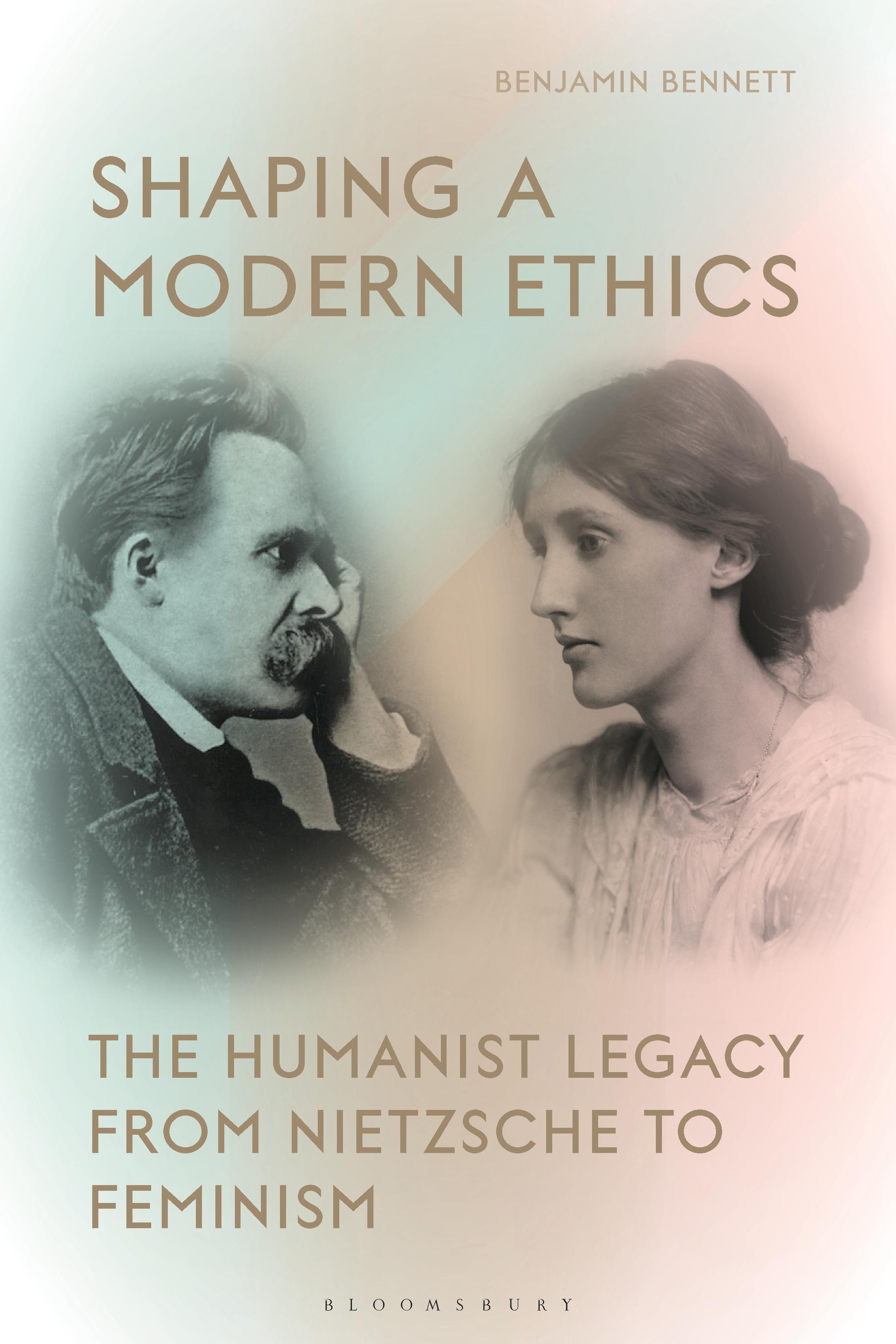
By way of a close study of literary and philosophical texts, from Freud to Machiavelli, Benjamin Bennett shows why the failure of a universal or propositional ethics is indeed unavoidable. He uncovers a modern non-propositional ethics that cannot be grasped in a single theoretical move but can only be approached as a collection of instances of a modern ethical “we”, three key examples of which Bennett explores in this book:
- The “we” of irony, whose speakers share a strictly preter-verbal knowledge which is concealed in their actual utterances
- The insistent exclusive “we” of a group that has neither its own physical locality nor even a clear intellectual identity, comparable to the “we” of Jews in the diaspora
- The “we” of feminism, a separate “we” from that embracing people who happen to have been born women.
The short answer is no; and most people, being tolerant, would probably agree with this answer. Yet most people, precisely in being tolerant, also subscribe to an idea of “human rights” which presupposes just such a universal ethics.
This basic question of ethics is similarly treacherous when approached on a higher technical level. Specialists have long recognized that Kant's categorical imperative is neither theoretically nor practically tenable. But efforts to revive and repair the Kantian project-including especially the monumental work of Jürgen Habermas-have all themselves been theoretically questionable, while developing a complexity that makes them impractical.
Must we then simply do without ethics in the sense of a universal ethical method?
By way of a close study of literary and philosophical texts, from Freud to Machiavelli, Benjamin Bennett shows why the failure of a universal or propositional ethics is indeed unavoidable. He uncovers a modern non-propositional ethics that cannot be grasped in a single theoretical move but can only be approached as a collection of instances of a modern ethical “we”, three key examples of which Bennett explores in this book:
- The “we” of irony, whose speakers share a strictly preter-verbal knowledge which is concealed in their actual utterances
- The insistent exclusive “we” of a group that has neither its own physical locality nor even a clear intellectual identity, comparable to the “we” of Jews in the diaspora
- The “we” of feminism, a separate “we” from that embracing people who happen to have been born women.
Zahle einfach mit Karte, Klarna, Apple Pay oder Google Pay. Nicht zufrieden? Du hast immer ein 14-tägiges Widerrufsrecht. Lies mehr in unseren AGB. Hast du Fragen, schreib uns eine E-Mail an hello@memmo.org.
Memmo macht das Lernen einfacher – wo auch immer du bist. Bei uns findest du deine Kursbücher und smarte Lerntools an einem Ort: Zusammenfassungen, Quizzes, Podcasts und Lernkarten. Und Ted, dein Lernbuddy, beantwortet alles, was du wissen möchtest. Über 50.000 Studierende lernen bereits hier – gemacht, damit du schneller lernst und weniger Stress hast.