
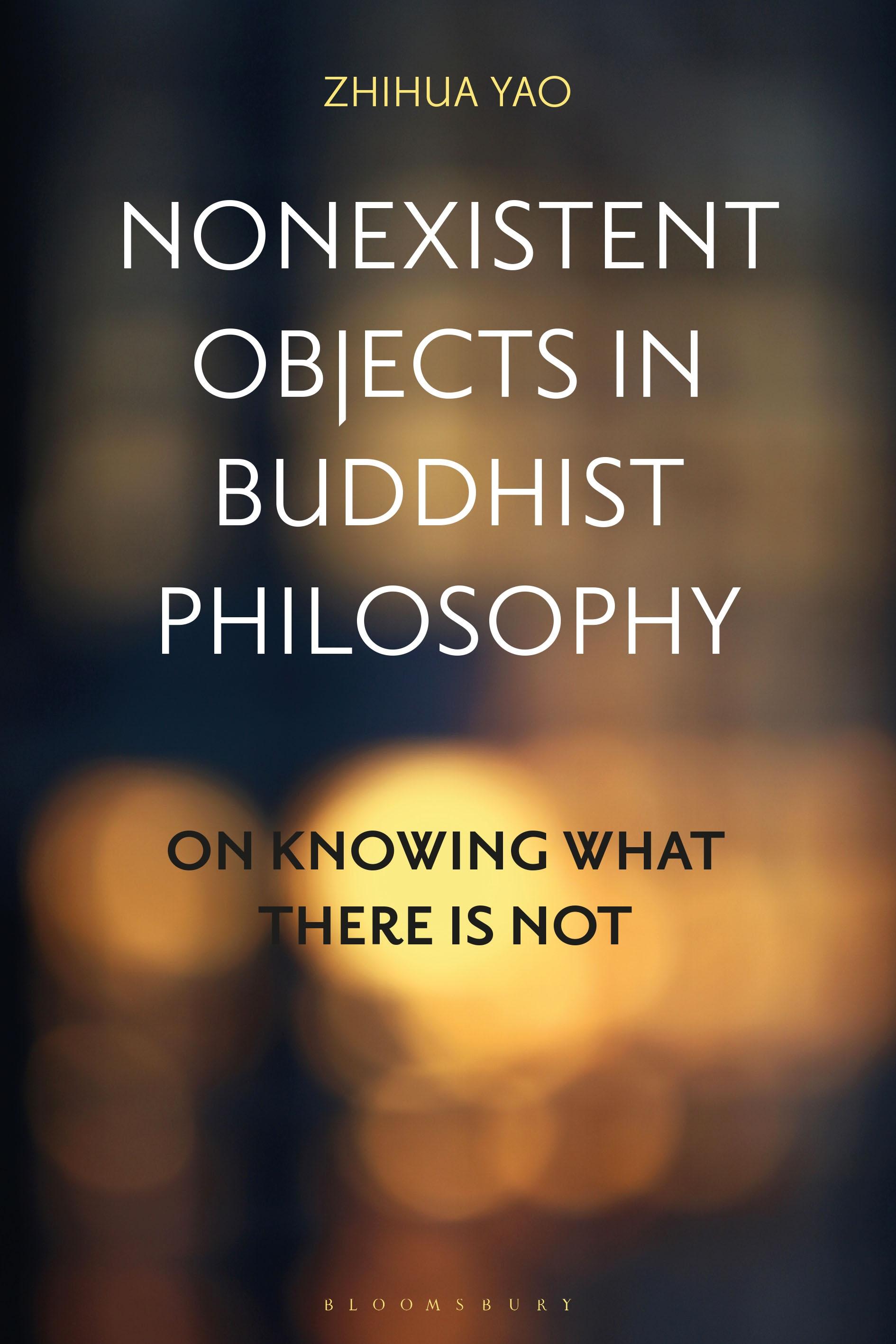
Can we know what there is not? This book examines the historical development of the concept of the cognition of nonexistent objects in several major Buddhist philosophical schools.
Beginning with a study of the historical development of the concept in Mahasamghika, Darstantika, Yogacara and Sautrantika, it evaluates how successfully they have argued against the extreme view of their main opponent the Sarvastivadins and established their view that one can know what there is not. It also includes thematic studies on the epistemological issues of nonexistence, discussing making sense of empty terms, controversies over negative judgments, and a proper classification of the conceptions of nothing or nonexistence. Taking a comparative approach to these topics, this book considers contemporary Western philosophers such as Husserl, Heidegger, Meinong and Russell alongside representative figures of the Buddhist Pramana School.
Based on first-hand study of primary sources in Sanskrit, Chinese and Tibetan, Nonexistent Objects in Buddhist Philosophy makes available the rich discussions and debates on the epistemological issues of nonexistence in Buddhist philosophy to students and researchers in Asian and comparative philosophy.
Beginning with a study of the historical development of the concept in Mahasamghika, Darstantika, Yogacara and Sautrantika, it evaluates how successfully they have argued against the extreme view of their main opponent the Sarvastivadins and established their view that one can know what there is not. It also includes thematic studies on the epistemological issues of nonexistence, discussing making sense of empty terms, controversies over negative judgments, and a proper classification of the conceptions of nothing or nonexistence. Taking a comparative approach to these topics, this book considers contemporary Western philosophers such as Husserl, Heidegger, Meinong and Russell alongside representative figures of the Buddhist Pramana School.
Based on first-hand study of primary sources in Sanskrit, Chinese and Tibetan, Nonexistent Objects in Buddhist Philosophy makes available the rich discussions and debates on the epistemological issues of nonexistence in Buddhist philosophy to students and researchers in Asian and comparative philosophy.
Zahle einfach mit Karte, Klarna, Apple Pay oder Google Pay. Nicht zufrieden? Du hast immer ein 14-tägiges Widerrufsrecht. Lies mehr in unseren AGB. Hast du Fragen, schreib uns eine E-Mail an hello@memmo.org.
Memmo macht das Lernen einfacher – wo auch immer du bist. Bei uns findest du deine Kursbücher und smarte Lerntools an einem Ort: Zusammenfassungen, Quizzes, Podcasts und Lernkarten. Und Ted, dein Lernbuddy, beantwortet alles, was du wissen möchtest. Über 50.000 Studierende lernen bereits hier – gemacht, damit du schneller lernst und weniger Stress hast.