
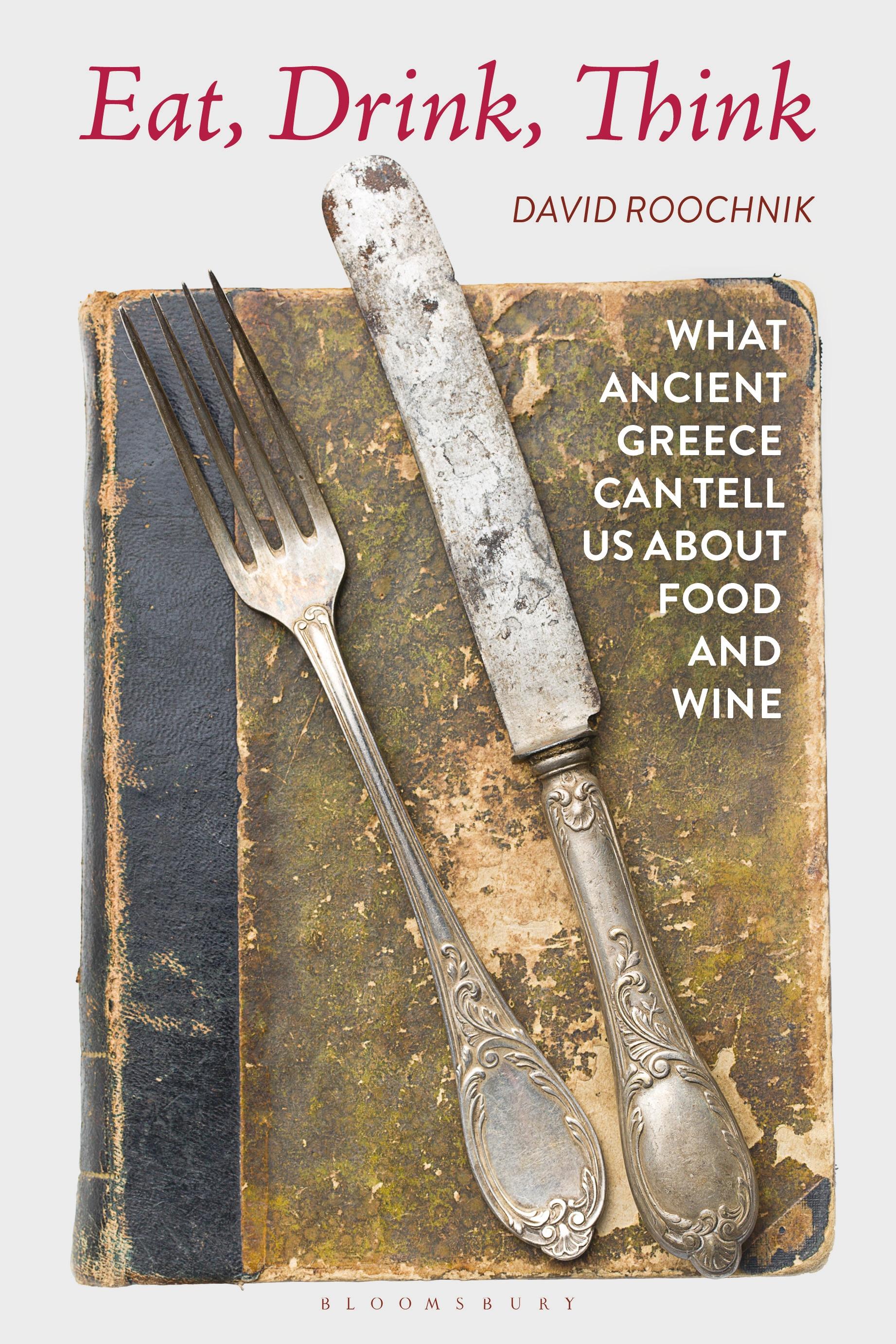
What role does food play in the shaping of humanity? Is sharing a good meal with friends and family an experience of life at its best, or is food merely a burdensome necessity? David Roochnik explores these questions by discussing classical works of Greek literature and philosophy in which food and drink play an important role.
With thoughts on Homer's The Odyssey, Euripides' Bacchae, Plato's philosopher kings and Dionysian intoxication, Roochnik shows how foregrounding food in philosophy can open up new ways of understanding these thinkers and their approaches to the purpose and meaning of life. The book features philosophical explanation interspersed with reflections from the author on cooking, eating, drinking and sharing meals, making it important reading for students of philosophy, classical studies, and food studies.
With thoughts on Homer's The Odyssey, Euripides' Bacchae, Plato's philosopher kings and Dionysian intoxication, Roochnik shows how foregrounding food in philosophy can open up new ways of understanding these thinkers and their approaches to the purpose and meaning of life. The book features philosophical explanation interspersed with reflections from the author on cooking, eating, drinking and sharing meals, making it important reading for students of philosophy, classical studies, and food studies.
Zahle einfach mit Karte, Klarna, Apple Pay oder Google Pay. Nicht zufrieden? Du hast immer ein 14-tägiges Widerrufsrecht. Lies mehr in unseren AGB. Hast du Fragen, schreib uns eine E-Mail an hello@memmo.org.
Memmo macht das Lernen einfacher – wo auch immer du bist. Bei uns findest du deine Kursbücher und smarte Lerntools an einem Ort: Zusammenfassungen, Quizzes, Podcasts und Lernkarten. Und Ted, dein Lernbuddy, beantwortet alles, was du wissen möchtest. Über 50.000 Studierende lernen bereits hier – gemacht, damit du schneller lernst und weniger Stress hast.