
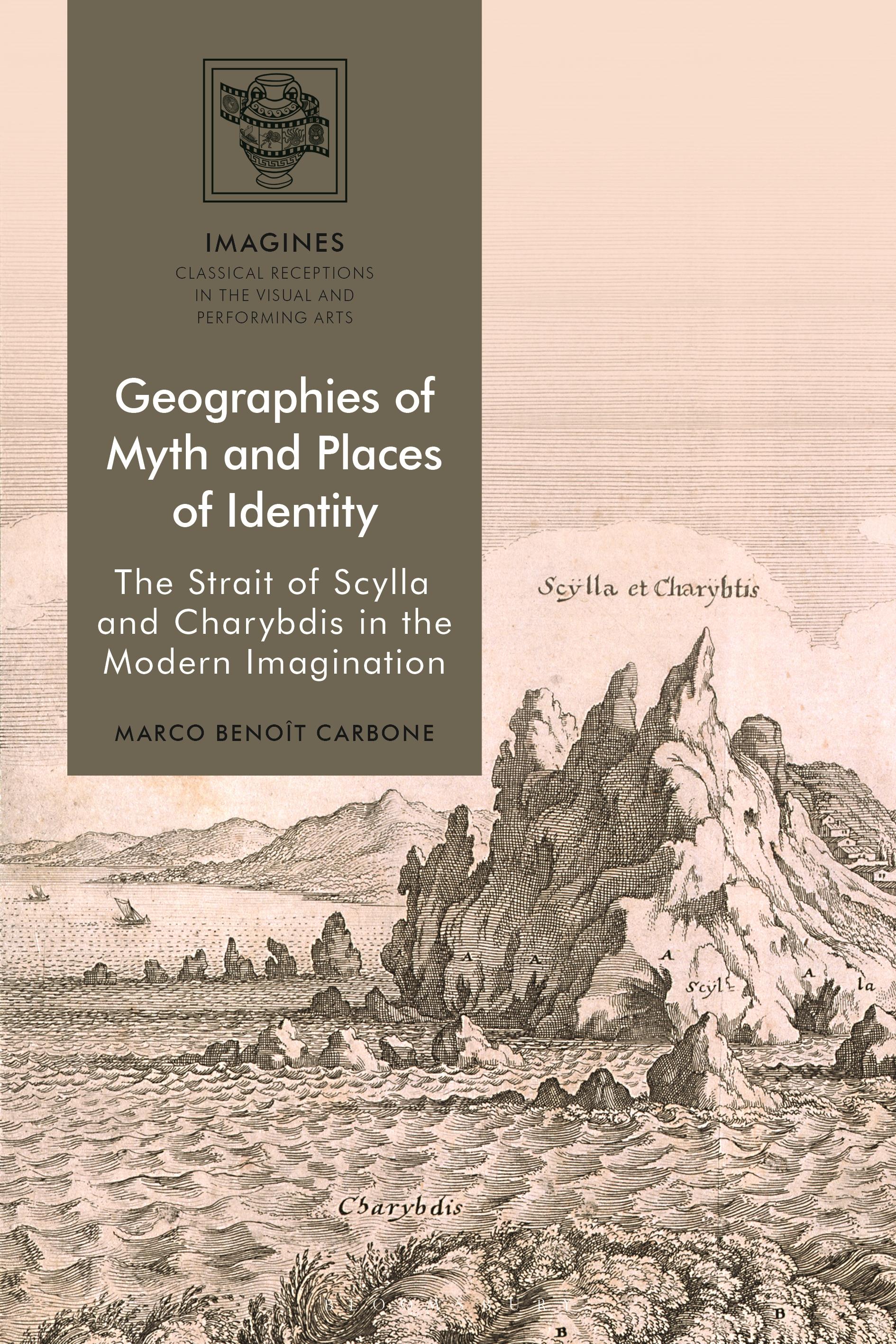
Turning to a region of South Italy associated with Greater Greece and the geographies of Homer's Odyssey, Marco Benoît Carbone delivers a historical and ethnographic treatment of how places defined in public imagination and media by their associated histories become sites of memory and identity, as their landscape and mythologies turn into insignia of a romanticised antiquity.
For the ancient Greeks, Homer had set the marine monsters of the Odyssey in the Strait between Calabria and Sicily. Since then, this passage has been glowing with the aura of its mythological landmarks. Travellers and tourists have played Odysseus by re-enacting his journey. Scholars and explorers have explained the myths as metaphors of whirlpools and marine fauna. The iconic Strait and village of Scilla have turned into place-myths and playgrounds, defined by the region's heritage.
Carbone observes the enduring impact of Hellas on the real Strait today. The continuous rekindling of cultural and visual traditions of place in the arts, media, travel, and tourism have intersected with philhellenic historiographies, shaping local policies, public histories, views of development, and forms of Hellenicist identitarianism. Elements of society have celebrated the landscape of the Odyssey, appropriated Homer as their imagined heirs, and purported themselves as the original Europeans–pandering to outdated ideological appropriations of 'classical' antiquity and exclusionary, West-centric views of the Mediterranean.
For the ancient Greeks, Homer had set the marine monsters of the Odyssey in the Strait between Calabria and Sicily. Since then, this passage has been glowing with the aura of its mythological landmarks. Travellers and tourists have played Odysseus by re-enacting his journey. Scholars and explorers have explained the myths as metaphors of whirlpools and marine fauna. The iconic Strait and village of Scilla have turned into place-myths and playgrounds, defined by the region's heritage.
Carbone observes the enduring impact of Hellas on the real Strait today. The continuous rekindling of cultural and visual traditions of place in the arts, media, travel, and tourism have intersected with philhellenic historiographies, shaping local policies, public histories, views of development, and forms of Hellenicist identitarianism. Elements of society have celebrated the landscape of the Odyssey, appropriated Homer as their imagined heirs, and purported themselves as the original Europeans–pandering to outdated ideological appropriations of 'classical' antiquity and exclusionary, West-centric views of the Mediterranean.
Zahle einfach mit Karte, Klarna, Apple Pay oder Google Pay. Nicht zufrieden? Du hast immer ein 14-tägiges Widerrufsrecht. Lies mehr in unseren AGB. Hast du Fragen, schreib uns eine E-Mail an hello@memmo.org.
Memmo macht das Lernen einfacher – wo auch immer du bist. Bei uns findest du deine Kursbücher und smarte Lerntools an einem Ort: Zusammenfassungen, Quizzes, Podcasts und Lernkarten. Und Ted, dein Lernbuddy, beantwortet alles, was du wissen möchtest. Über 50.000 Studierende lernen bereits hier – gemacht, damit du schneller lernst und weniger Stress hast.