
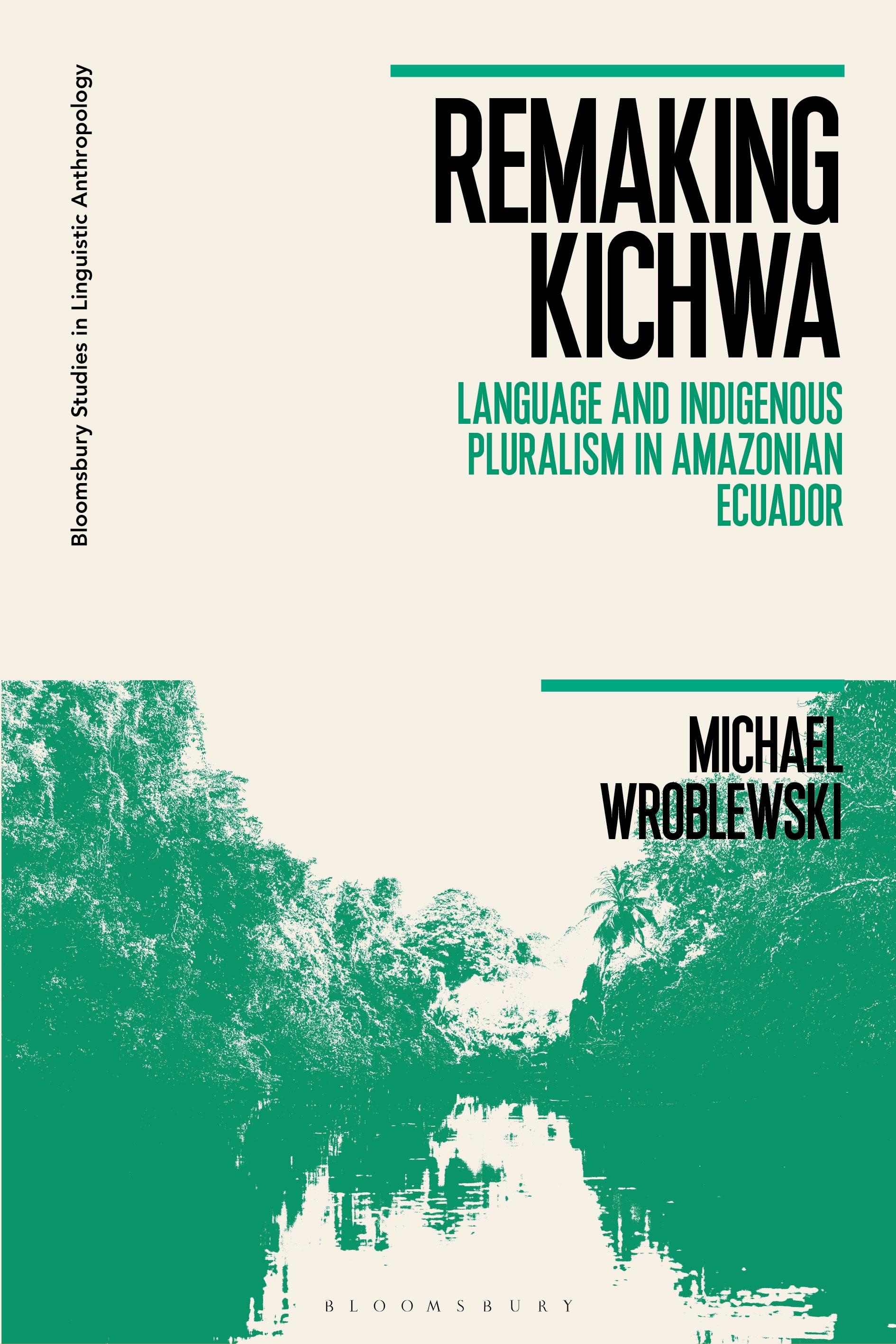
Investigating the efforts of the Kichwa of Tena, Ecuador to reverse language shift to Spanish, this book examines the ways in which Indigenous language can be revitalized and how creative bilingual forms of discourse can reshape the identities and futures of local populations. Based on deep ethnographic fieldwork among urban, periurban, and rural indigenous Kichwa communities, Michael Wroblewski explores adaptations to culture contact, language revitalization, and political mobilization through discourse.
Expanding the ethnographic picture of native Amazonians and their traditional discourse practices, this book focuses attention on Kichwas' diverse engagements with rural and urban ways of living, local and global ways of speaking, and Indigenous and dominant intellectual traditions. Wroblewski reveals the composite nature of indigenous words and worlds through conversational interviews, oral history narratives, political speechmaking, and urban performance media, showing how discourse is a critical focal point for studying cultural adaptation. Highlighting how Kichwas assert autonomy through creative forms of self-representation, Remaking Kichwa moves the study of Indigenous language into the globalized era and offers innovative reconsiderations of Indigeneity, discourse, and identity.
Expanding the ethnographic picture of native Amazonians and their traditional discourse practices, this book focuses attention on Kichwas' diverse engagements with rural and urban ways of living, local and global ways of speaking, and Indigenous and dominant intellectual traditions. Wroblewski reveals the composite nature of indigenous words and worlds through conversational interviews, oral history narratives, political speechmaking, and urban performance media, showing how discourse is a critical focal point for studying cultural adaptation. Highlighting how Kichwas assert autonomy through creative forms of self-representation, Remaking Kichwa moves the study of Indigenous language into the globalized era and offers innovative reconsiderations of Indigeneity, discourse, and identity.
Zahle einfach mit Karte, Klarna, Apple Pay oder Google Pay. Nicht zufrieden? Du hast immer ein 14-tägiges Widerrufsrecht. Lies mehr in unseren AGB. Hast du Fragen, schreib uns eine E-Mail an hello@memmo.org.
Memmo macht das Lernen einfacher – wo auch immer du bist. Bei uns findest du deine Kursbücher und smarte Lerntools an einem Ort: Zusammenfassungen, Quizzes, Podcasts und Lernkarten. Und Ted, dein Lernbuddy, beantwortet alles, was du wissen möchtest. Über 50.000 Studierende lernen bereits hier – gemacht, damit du schneller lernst und weniger Stress hast.