
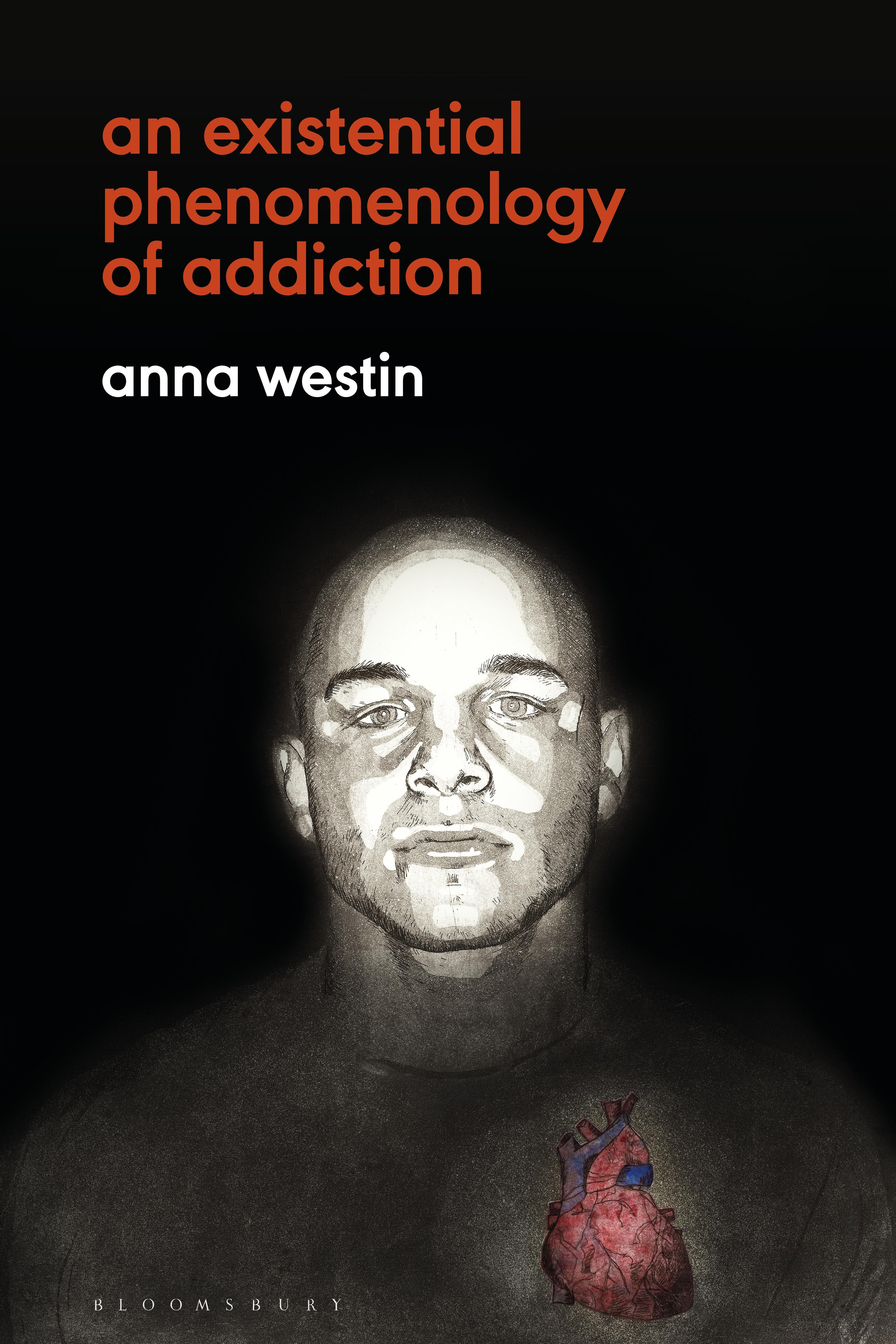
Existential phenomenology can be a particularly helpful philosophical method for understanding human experience. Starting from the perspective of the subject, it can clarify and problematize subtle everyday relations, enabling greater insight into difficult situations. Used by contemporary philosophers as a way of understanding the embodied experience of illness, this method has been helpful for understanding physical illness in the medical humanities, offering a fruitful way of reading the subjectivity of mental states.
An Existential Phenomenology of Addiction examines how the experience of addiction engages both mental and physical phenomena within the existence of a particular human life, using the philosophy of Emmanuel Lévinas and Søren Kierkegaard. The book maps out an existential phenomenology of subject-in-relation. Both Lévinas and Kierkegaard use decidedly psychological and theological language to situate their philosophy, discussing the subject through concepts of love, otherness, responsibility and hope, while played out in a situation of anxiety, suffering, desire and revelation.
Combining existential phenomenological discourse with contemporary addiction discourse, Westin argues that the concept of subject as 'addict', as found in the Twelve Steps Program and disease models of addiction, ought to be replaced with the free and relational identity of subject as 'addicted'.
An Existential Phenomenology of Addiction examines how the experience of addiction engages both mental and physical phenomena within the existence of a particular human life, using the philosophy of Emmanuel Lévinas and Søren Kierkegaard. The book maps out an existential phenomenology of subject-in-relation. Both Lévinas and Kierkegaard use decidedly psychological and theological language to situate their philosophy, discussing the subject through concepts of love, otherness, responsibility and hope, while played out in a situation of anxiety, suffering, desire and revelation.
Combining existential phenomenological discourse with contemporary addiction discourse, Westin argues that the concept of subject as 'addict', as found in the Twelve Steps Program and disease models of addiction, ought to be replaced with the free and relational identity of subject as 'addicted'.
Zahle einfach mit Karte, Klarna, Apple Pay oder Google Pay. Nicht zufrieden? Du hast immer ein 14-tägiges Widerrufsrecht. Lies mehr in unseren AGB. Hast du Fragen, schreib uns eine E-Mail an hello@memmo.org.
Memmo macht das Lernen einfacher – wo auch immer du bist. Bei uns findest du deine Kursbücher und smarte Lerntools an einem Ort: Zusammenfassungen, Quizzes, Podcasts und Lernkarten. Und Ted, dein Lernbuddy, beantwortet alles, was du wissen möchtest. Über 50.000 Studierende lernen bereits hier – gemacht, damit du schneller lernst und weniger Stress hast.