
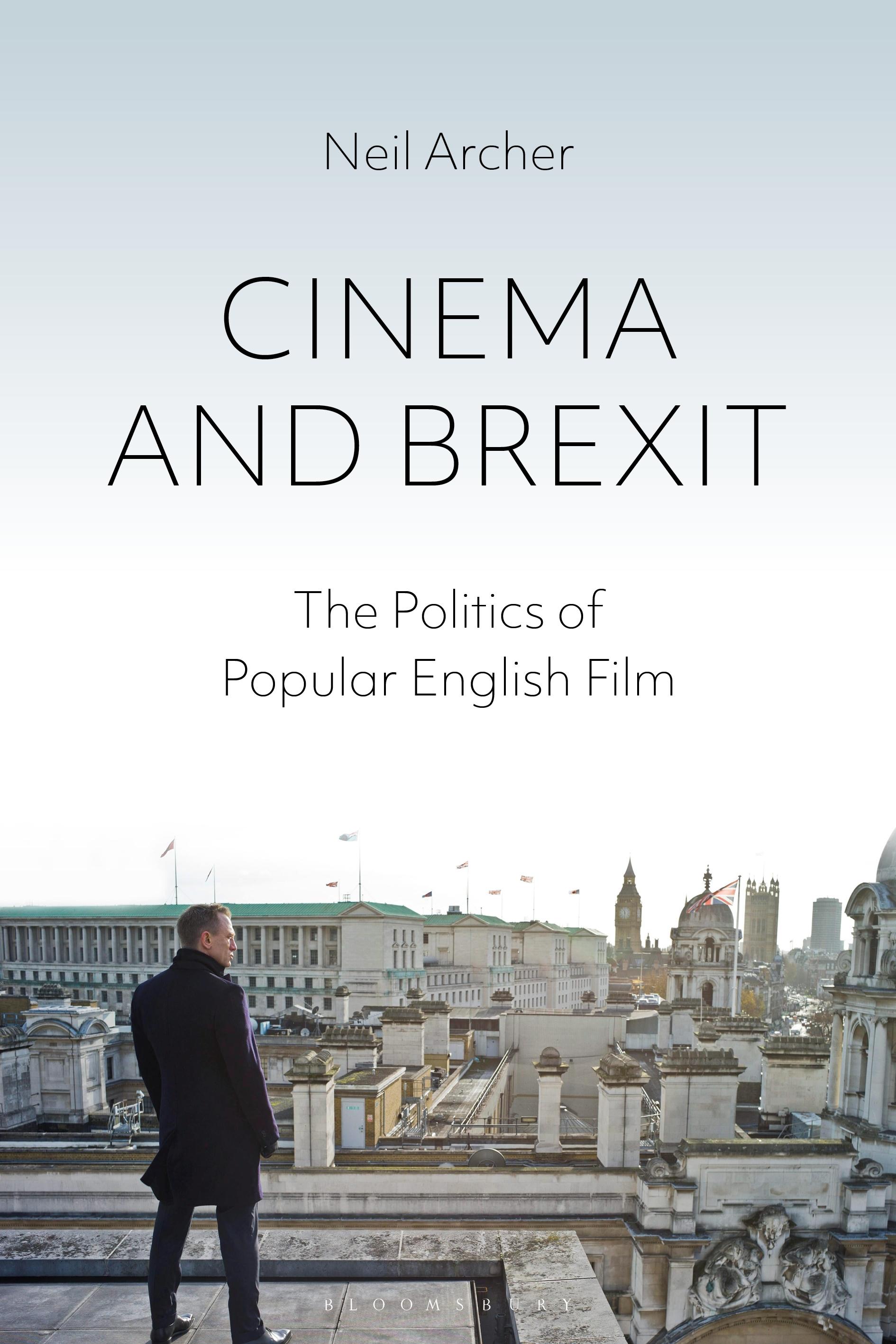
Neil Archer's original study makes a timely and politically-engaged intervention in debates about national cinema and national identity. Structured around key examples of 'culturally English cinema' in the years up to and following the UK's 2016 vote to leave the European Union, Cinema and Brexit looks to make sense of the peculiarities and paradoxes marking this era of filmmaking. At the same time as providing a contextual and analytical reading of 21st century filmmaking in Britain, Archer raises critical questions about popular national cinema, and how Brexit has cast both light and shadow over this body of films.
Central to Archer's argument is the idea that Brexit represents not just a critical moment in how we will understand future film production, but also in how we will understand production of the recent past. Using as a point of departure the London Olympics opening ceremony of 2012, Cinema and Brexit considers the tensions inherent in a wide range of films, including Skyfall (2012), Dunkirk (2017), Their Finest (2017), Darkest Hour (2017), The Crown (Netflix, 2016), Paddington (2014), Paddington 2 (2017), Never Let Me Go (2011), Absolutely Fabulous: The Movie (2016), The Trip (2010), The Inbetweeners Movie (2011), Mr. Bean's Holiday (2007), The World's End (2013), Sightseers (2012), One Day (2011), Attack the Block (2011), King Arthur: Legend of the Sword (2017) and The Kid Who Would be King (2019). Archer examines the complex national narratives and representations these films expound, situating his analyses within the broader commercial contexts of film production beyond Hollywood, highlighting the negotiations or contradictions at play between the industrial imperatives of contemporary films and the varied circumstances in which they are made.
Considering some of the ways a popular and globally-minded English cinema is finding means to work alongside and through the contexts of Brexit, he questions what are the stakes for, and possibilities of, a global 'culturally English cinema' in 2019 and beyond.
Central to Archer's argument is the idea that Brexit represents not just a critical moment in how we will understand future film production, but also in how we will understand production of the recent past. Using as a point of departure the London Olympics opening ceremony of 2012, Cinema and Brexit considers the tensions inherent in a wide range of films, including Skyfall (2012), Dunkirk (2017), Their Finest (2017), Darkest Hour (2017), The Crown (Netflix, 2016), Paddington (2014), Paddington 2 (2017), Never Let Me Go (2011), Absolutely Fabulous: The Movie (2016), The Trip (2010), The Inbetweeners Movie (2011), Mr. Bean's Holiday (2007), The World's End (2013), Sightseers (2012), One Day (2011), Attack the Block (2011), King Arthur: Legend of the Sword (2017) and The Kid Who Would be King (2019). Archer examines the complex national narratives and representations these films expound, situating his analyses within the broader commercial contexts of film production beyond Hollywood, highlighting the negotiations or contradictions at play between the industrial imperatives of contemporary films and the varied circumstances in which they are made.
Considering some of the ways a popular and globally-minded English cinema is finding means to work alongside and through the contexts of Brexit, he questions what are the stakes for, and possibilities of, a global 'culturally English cinema' in 2019 and beyond.
Seiten: 304
Kategorie: Film- & Medievetenskap
e-ISBN: 9781350104488
Versandgewicht: 1.2 kg
Versand in: 1-2 Tage
Zahle einfach mit Karte, Klarna, Apple Pay oder Google Pay. Nicht zufrieden? Du hast immer ein 14-tägiges Widerrufsrecht. Lies mehr in unseren AGB. Hast du Fragen, schreib uns eine E-Mail an hello@memmo.org.
Memmo macht das Lernen einfacher – wo auch immer du bist. Bei uns findest du deine Kursbücher und smarte Lerntools an einem Ort: Zusammenfassungen, Quizzes, Podcasts und Lernkarten. Und Ted, dein Lernbuddy, beantwortet alles, was du wissen möchtest. Über 50.000 Studierende lernen bereits hier – gemacht, damit du schneller lernst und weniger Stress hast.