
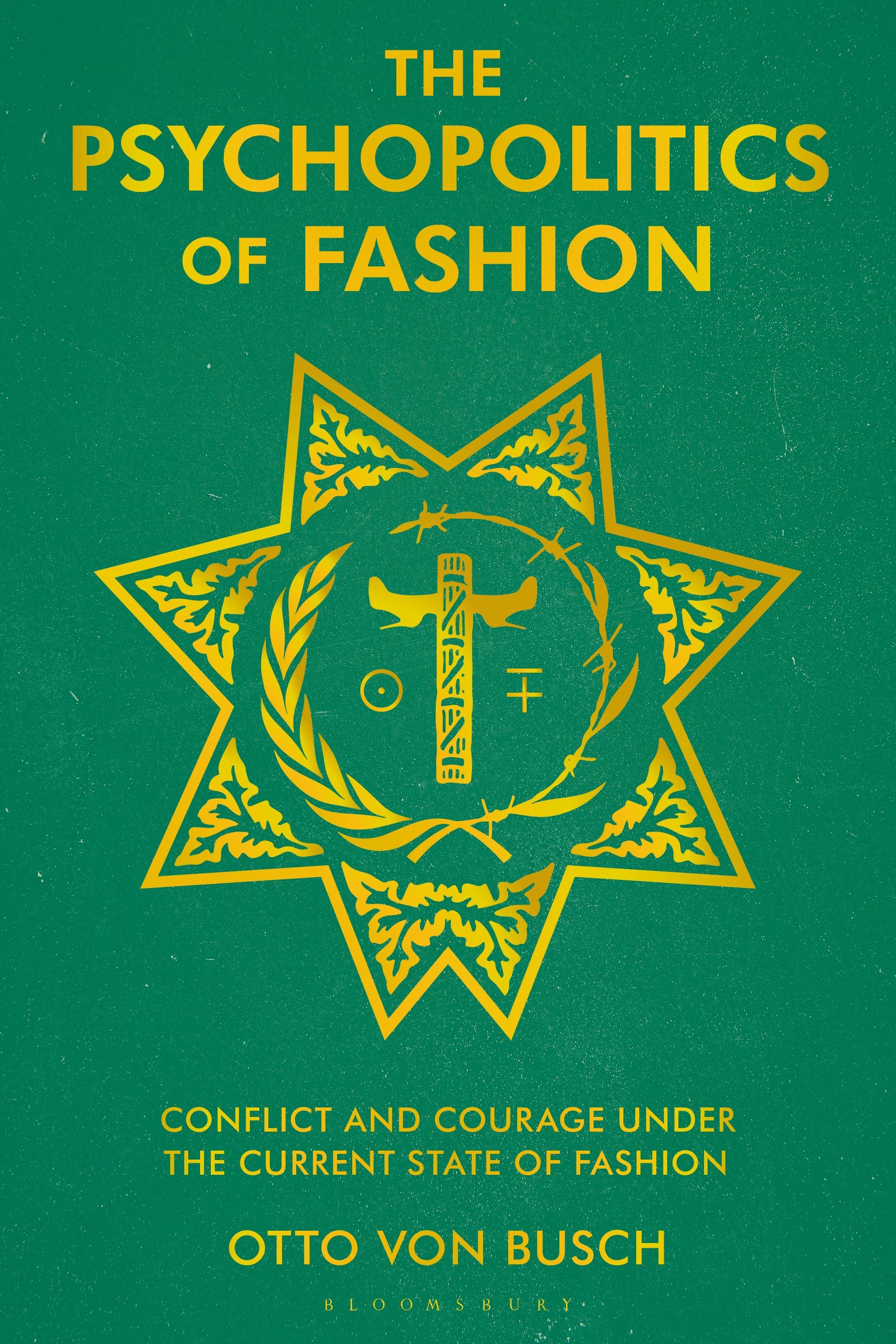
What if fashion was a state? What kind of state would it be? Probably not a democracy. Otto von Busch sees fashion as a totalitarian state, with a population all too eager to enact the decrees of its aesthetic superiority. Peers police each other and deploy acts of judgment, peer-regulation, and micro-violence to uphold the aesthetic order of fashion supremacy.
Using four design projects as tools for inquiry, Von Busch explores the seductive desires of envy and violence within fashion drawing on political theories. He proposes that the violent conflicts of fashion happen not only in arid cotton fields or collapsing factories, but in the everyday practice of getting dressed, in the judgments, sneers, and rejections of others. Indeed, he suggests that feelings of inclusion and adoration are what make us feel the pleasure of being fashionable-of being seductive, popular, and powerful.
Exploring the conflicting emotions associated with fashion, Von Busch argues that while the current state of fashion is bred out of fear, The Psychopolitics of Fashion can offer constructive modes of mitigation and resistance. Through projects that actively work towards disarming the violent practices of dress, Von Busch suggests paths towards a more engaging and meaningful experience of fashion he calls “deep fashion.”
Using four design projects as tools for inquiry, Von Busch explores the seductive desires of envy and violence within fashion drawing on political theories. He proposes that the violent conflicts of fashion happen not only in arid cotton fields or collapsing factories, but in the everyday practice of getting dressed, in the judgments, sneers, and rejections of others. Indeed, he suggests that feelings of inclusion and adoration are what make us feel the pleasure of being fashionable-of being seductive, popular, and powerful.
Exploring the conflicting emotions associated with fashion, Von Busch argues that while the current state of fashion is bred out of fear, The Psychopolitics of Fashion can offer constructive modes of mitigation and resistance. Through projects that actively work towards disarming the violent practices of dress, Von Busch suggests paths towards a more engaging and meaningful experience of fashion he calls “deep fashion.”
Zahle einfach mit Karte, Klarna, Apple Pay oder Google Pay. Nicht zufrieden? Du hast immer ein 14-tägiges Widerrufsrecht. Lies mehr in unseren AGB. Hast du Fragen, schreib uns eine E-Mail an hello@memmo.org.
Memmo macht das Lernen einfacher – wo auch immer du bist. Bei uns findest du deine Kursbücher und smarte Lerntools an einem Ort: Zusammenfassungen, Quizzes, Podcasts und Lernkarten. Und Ted, dein Lernbuddy, beantwortet alles, was du wissen möchtest. Über 50.000 Studierende lernen bereits hier – gemacht, damit du schneller lernst und weniger Stress hast.