
A 2021 Choice Outstanding Academic Title
For centuries, philosophers have addressed the ontological question of whether God exists. Most recently, philosophers have begun to explore the axiological question of what value impact, if any, God's existence has (or would have) on our world.
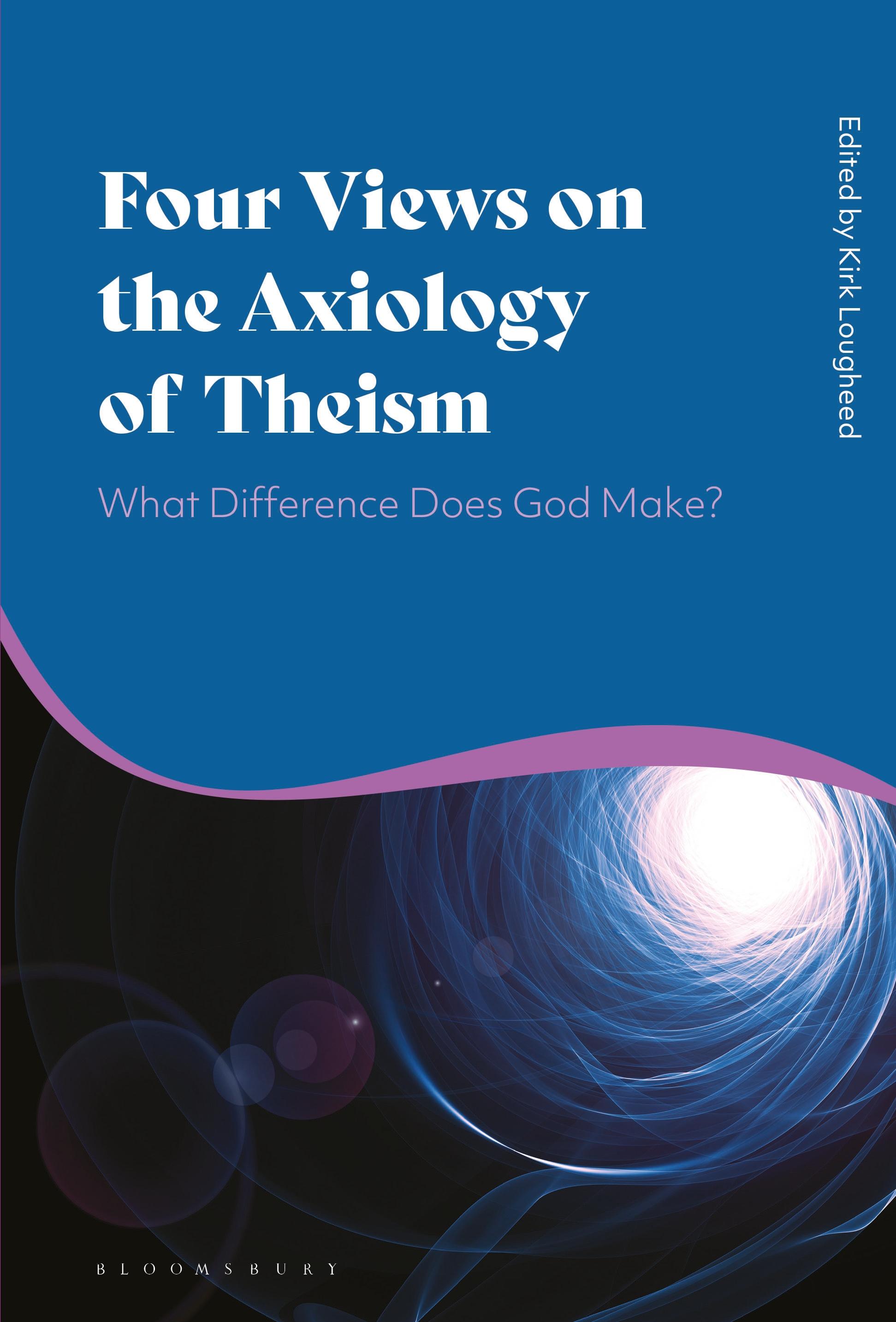
This book brings together four prestigious philosophers, Michael Almeida, Travis Dumsday, Perry Hendricks and Graham Oppy, to present different views on the axiological question about God. Each contributor expresses a position on axiology, which is then met with responses from the remaining contributors. This structure makes for genuine discussion and developed exploration of the key issues at stake, and shows that the axiological question is more complicated than it first appears. Chapters explore a range of relevant issues, including the relationship between Judeo-Christian theism and non-naturalist alternatives such as pantheism, polytheism, and animism/panpsychism. Further chapters consider the attitudes and emotions of atheists within the theism conversation, and develop and evaluate the best arguments for doxastic pro-theism and doxastic anti-theism.
Of interest to those working on philosophy of religion, theism and ethics, this book presents lively accounts of an important topic in an exciting and collaborative way, offered by renowned experts in this area.
For centuries, philosophers have addressed the ontological question of whether God exists. Most recently, philosophers have begun to explore the axiological question of what value impact, if any, God's existence has (or would have) on our world.
This book brings together four prestigious philosophers, Michael Almeida, Travis Dumsday, Perry Hendricks and Graham Oppy, to present different views on the axiological question about God. Each contributor expresses a position on axiology, which is then met with responses from the remaining contributors. This structure makes for genuine discussion and developed exploration of the key issues at stake, and shows that the axiological question is more complicated than it first appears. Chapters explore a range of relevant issues, including the relationship between Judeo-Christian theism and non-naturalist alternatives such as pantheism, polytheism, and animism/panpsychism. Further chapters consider the attitudes and emotions of atheists within the theism conversation, and develop and evaluate the best arguments for doxastic pro-theism and doxastic anti-theism.
Of interest to those working on philosophy of religion, theism and ethics, this book presents lively accounts of an important topic in an exciting and collaborative way, offered by renowned experts in this area.
Zahle einfach mit Karte, Klarna, Apple Pay oder Google Pay. Nicht zufrieden? Du hast immer ein 14-tägiges Widerrufsrecht. Lies mehr in unseren AGB. Hast du Fragen, schreib uns eine E-Mail an hello@memmo.org.
Memmo macht das Lernen einfacher – wo auch immer du bist. Bei uns findest du deine Kursbücher und smarte Lerntools an einem Ort: Zusammenfassungen, Quizzes, Podcasts und Lernkarten. Und Ted, dein Lernbuddy, beantwortet alles, was du wissen möchtest. Über 50.000 Studierende lernen bereits hier – gemacht, damit du schneller lernst und weniger Stress hast.