
Winner of the Association for the Study of Food and Society's Best Edited Volume 2021
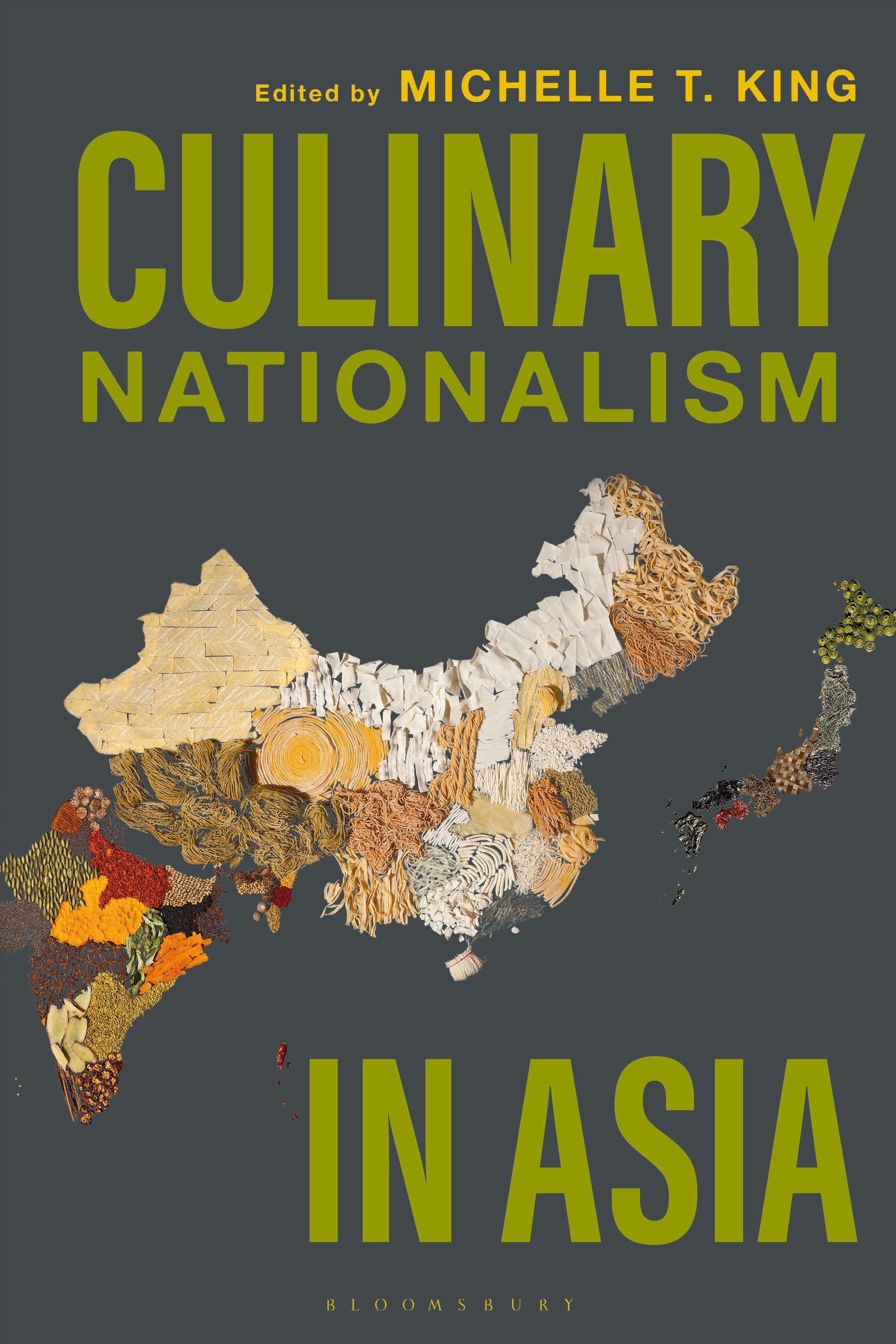
With culinary nationalism defined as a process in flux, as opposed to the limited concept of national cuisine, the contributors of this book call for explicit critical comparisons of cases of culinary nationalism among Asian regions, with the intention of recognizing patterns of modern culinary development. As a result, the formation of modern cuisine is revealed to be a process that takes place around the world, in different forms and periods, and not
exclusive to current Eurocentric models.
Key themes include the historical legacies of imperialism/colonialism, nationalism, the Cold War, and global capitalism in Asian cuisines; internal culinary boundaries between genders, ethnicities, social classes, religious groups, and perceived traditions/modernities; and global contexts of Asian cuisines as both nationalist and internationalist enterprises, and "Asia" itself as a vibrant culinary imaginary.
The book, which includes a foreword from Krishnendu Ray and an afterword from James L. Watson, sets out a fresh agenda for thinking about future food studies scholarship.
With culinary nationalism defined as a process in flux, as opposed to the limited concept of national cuisine, the contributors of this book call for explicit critical comparisons of cases of culinary nationalism among Asian regions, with the intention of recognizing patterns of modern culinary development. As a result, the formation of modern cuisine is revealed to be a process that takes place around the world, in different forms and periods, and not
exclusive to current Eurocentric models.
Key themes include the historical legacies of imperialism/colonialism, nationalism, the Cold War, and global capitalism in Asian cuisines; internal culinary boundaries between genders, ethnicities, social classes, religious groups, and perceived traditions/modernities; and global contexts of Asian cuisines as both nationalist and internationalist enterprises, and "Asia" itself as a vibrant culinary imaginary.
The book, which includes a foreword from Krishnendu Ray and an afterword from James L. Watson, sets out a fresh agenda for thinking about future food studies scholarship.
Zahle einfach mit Karte, Klarna, Apple Pay oder Google Pay. Nicht zufrieden? Du hast immer ein 14-tägiges Widerrufsrecht. Lies mehr in unseren AGB. Hast du Fragen, schreib uns eine E-Mail an hello@memmo.org.
Memmo macht das Lernen einfacher – wo auch immer du bist. Bei uns findest du deine Kursbücher und smarte Lerntools an einem Ort: Zusammenfassungen, Quizzes, Podcasts und Lernkarten. Und Ted, dein Lernbuddy, beantwortet alles, was du wissen möchtest. Über 50.000 Studierende lernen bereits hier – gemacht, damit du schneller lernst und weniger Stress hast.