
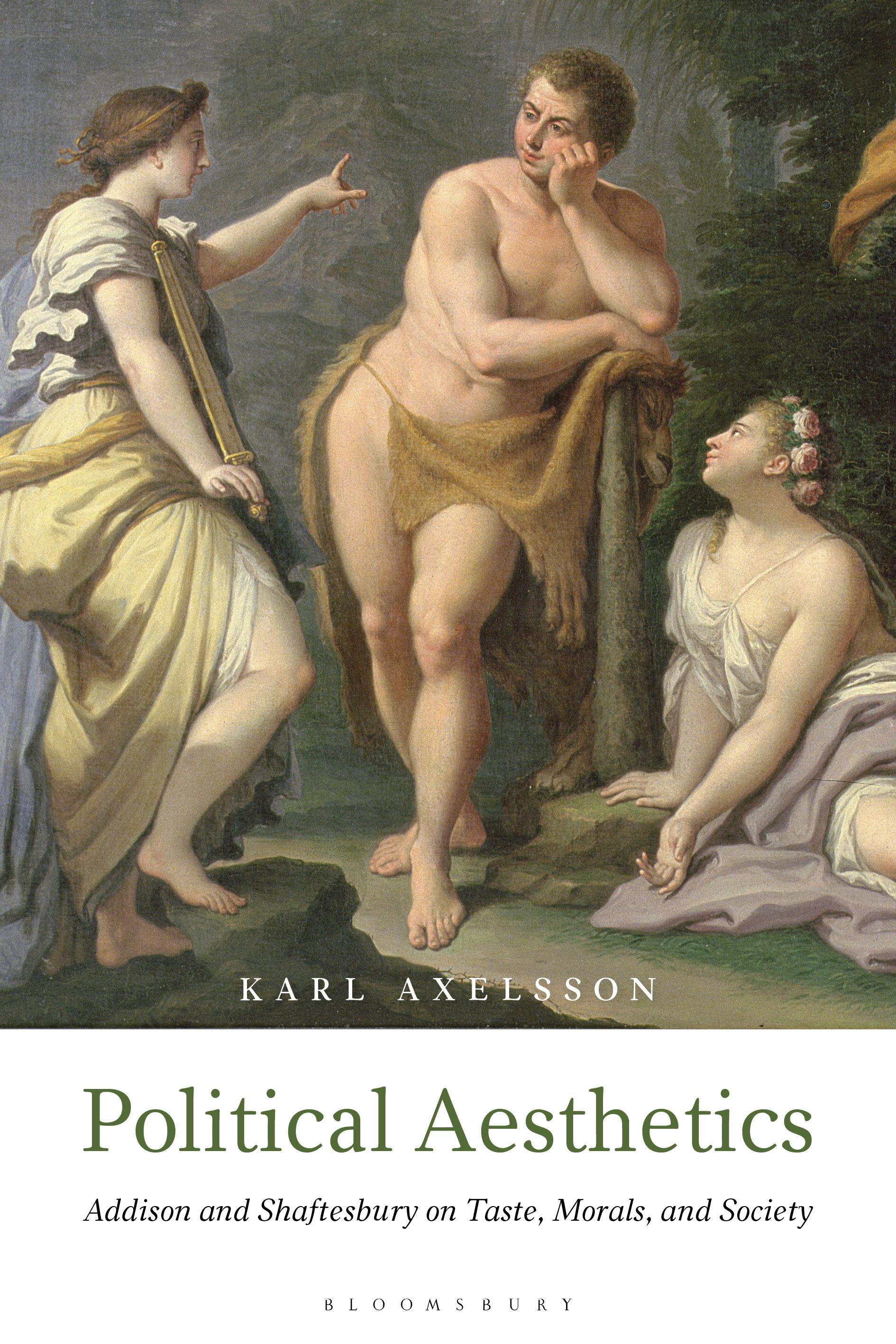
Providing a gateway to a new history of modern aesthetics, this book challenges conventional views of how art's significance developed in society.
The 18th century is often said to have involved a radical transformation in the concept of art: from the understanding that it has a practical purpose to the modern belief that it is intrinsically valuable. By exploring the ground between these notions of art's function, Karl Axelsson reveals how scholars of culture made taste, morals and a politically stable society integral to their claims about the experience of nature and art.
Focusing on writings by two of the most prolific men of letters in the 18th century, Joseph Addison (1672–1719) and the third Earl of Shaftesbury (1671–1713), Axelsson contests the conviction that modern aesthetic autonomy reoriented the criticism and philosophy originally prompted by these two key figures in the history of aesthetics.
By re-examining the political relevance of Addison and Shaftesbury's theories of taste, Axelsson shows that first and foremost they sought to fortify a natural link between aesthetic experience and modern political society.
The 18th century is often said to have involved a radical transformation in the concept of art: from the understanding that it has a practical purpose to the modern belief that it is intrinsically valuable. By exploring the ground between these notions of art's function, Karl Axelsson reveals how scholars of culture made taste, morals and a politically stable society integral to their claims about the experience of nature and art.
Focusing on writings by two of the most prolific men of letters in the 18th century, Joseph Addison (1672–1719) and the third Earl of Shaftesbury (1671–1713), Axelsson contests the conviction that modern aesthetic autonomy reoriented the criticism and philosophy originally prompted by these two key figures in the history of aesthetics.
By re-examining the political relevance of Addison and Shaftesbury's theories of taste, Axelsson shows that first and foremost they sought to fortify a natural link between aesthetic experience and modern political society.
Zahle einfach mit Karte, Klarna, Apple Pay oder Google Pay. Nicht zufrieden? Du hast immer ein 14-tägiges Widerrufsrecht. Lies mehr in unseren AGB. Hast du Fragen, schreib uns eine E-Mail an hello@memmo.org.
Memmo macht das Lernen einfacher – wo auch immer du bist. Bei uns findest du deine Kursbücher und smarte Lerntools an einem Ort: Zusammenfassungen, Quizzes, Podcasts und Lernkarten. Und Ted, dein Lernbuddy, beantwortet alles, was du wissen möchtest. Über 50.000 Studierende lernen bereits hier – gemacht, damit du schneller lernst und weniger Stress hast.