
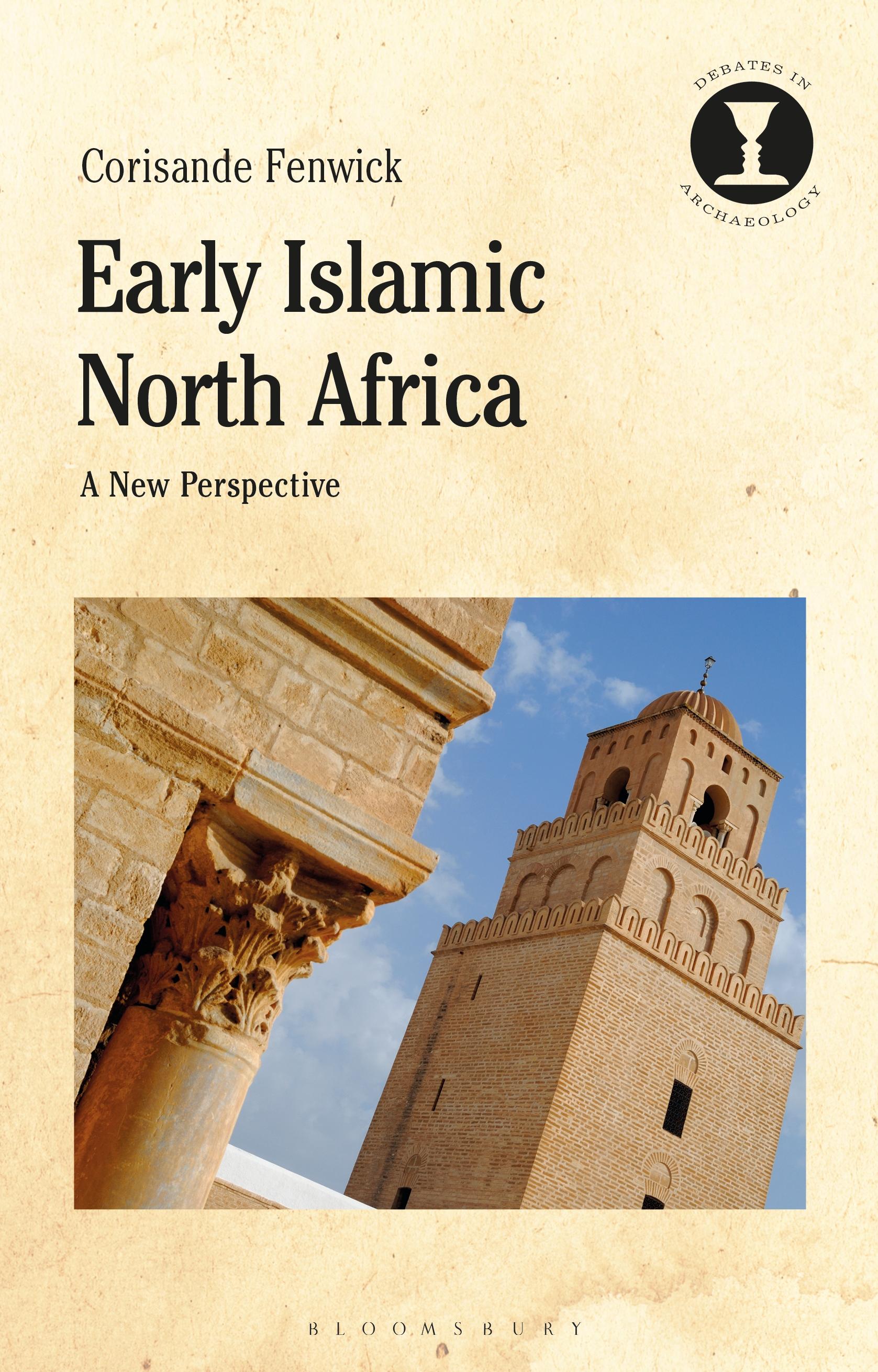
This volume proposes a new approach to the Arab conquests and the spread of Islam in North Africa. In recent years, those studying the Islamic world have shown that the coming of Islam was not marked by devastation or decline, but rather by considerable cultural and economic continuity. In North Africa, with continuity came significant change. Corisande Fenwick argues that the establishment of Muslim rule also coincided with a phase of intense urbanization, the appearance of new architectural forms (mosques, housing, hammams), the spread of Muslim social and cultural practices, the introduction of new crops and manufacturing techniques and the establishment of new trading links with sub-Saharan Africa, Europe and the Middle East.
This concise and accessible book offers the first assessment of the archaeology of early Islamic North Africa (7th–9th centuries), drawing on a wide range of new evidence from Morocco, Algeria, Tunisia and Libya. It lays out current debates about its interpretation and suggests new ways of thinking about this crucial period in world history. Essential reading for those interested in understanding the impact of the Arab conquests and the spread of Islam on daily life, it will also challenge students of archaeology and history to think in new ways about North Africa, the earliest Islamic empires and states and the transition from the Roman to the medieval Mediterranean.
This concise and accessible book offers the first assessment of the archaeology of early Islamic North Africa (7th–9th centuries), drawing on a wide range of new evidence from Morocco, Algeria, Tunisia and Libya. It lays out current debates about its interpretation and suggests new ways of thinking about this crucial period in world history. Essential reading for those interested in understanding the impact of the Arab conquests and the spread of Islam on daily life, it will also challenge students of archaeology and history to think in new ways about North Africa, the earliest Islamic empires and states and the transition from the Roman to the medieval Mediterranean.
Zahle einfach mit Karte, Klarna, Apple Pay oder Google Pay. Nicht zufrieden? Du hast immer ein 14-tägiges Widerrufsrecht. Lies mehr in unseren AGB. Hast du Fragen, schreib uns eine E-Mail an hello@memmo.org.
Memmo macht das Lernen einfacher – wo auch immer du bist. Bei uns findest du deine Kursbücher und smarte Lerntools an einem Ort: Zusammenfassungen, Quizzes, Podcasts und Lernkarten. Und Ted, dein Lernbuddy, beantwortet alles, was du wissen möchtest. Über 50.000 Studierende lernen bereits hier – gemacht, damit du schneller lernst und weniger Stress hast.