
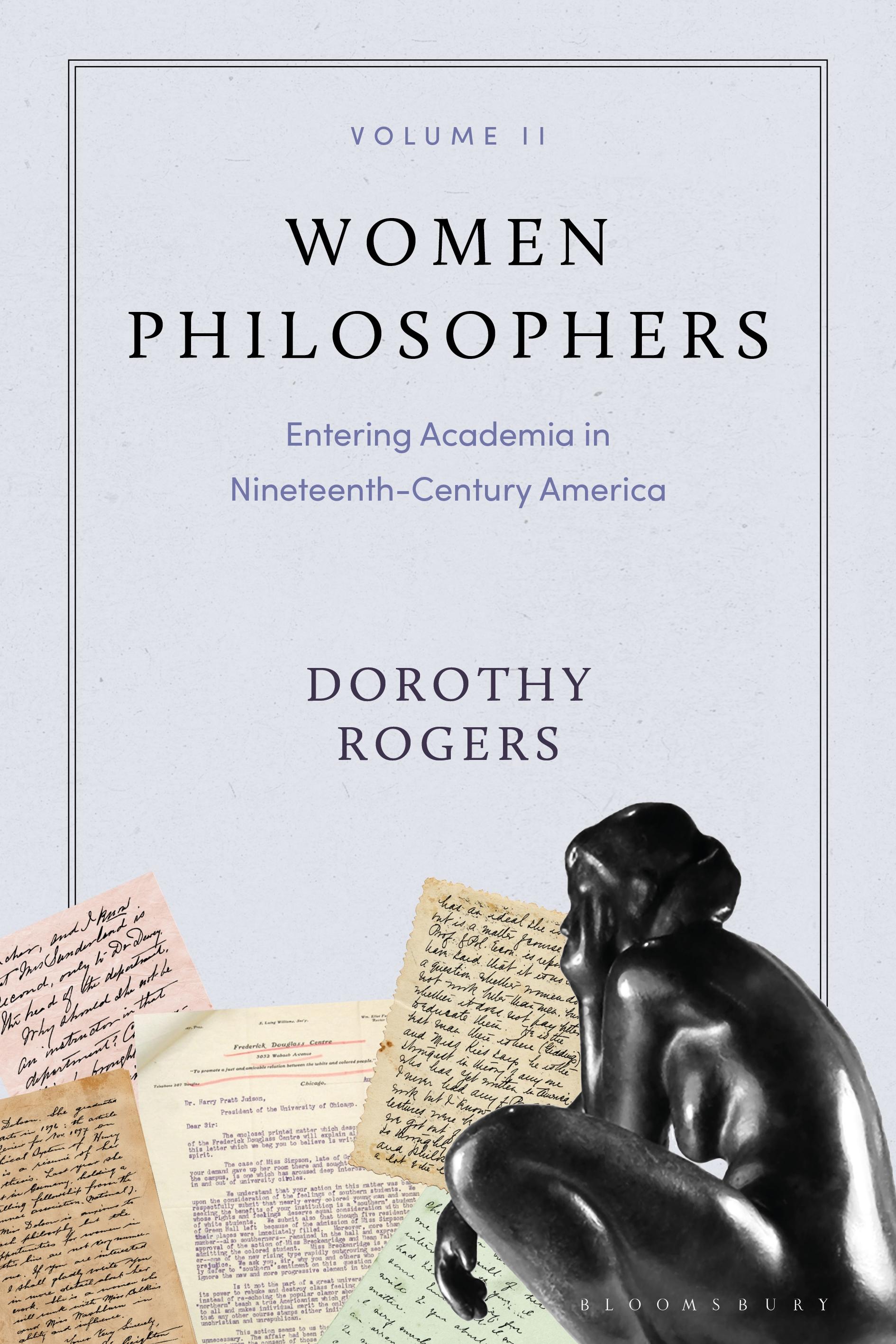
Tackling the intellectual histories of the first twenty women to earn a PhD in philosophy in the United States, this book traces their career development and influence on American intellectual life. The case studies include Eliza Ritchie, Marietta Kies, Julia Gulliver, Anna Alice Cutler, Eliza Sunderland, and many more. Author Dorothy Rogers looks at the factors that led these women to pursue careers in academic philosophy, examines the ideas they developed, and evaluates the impact they had on the academic and social worlds they inhabited.
Many of these women were active in professional academic circles, published in academic journals, and contributed to important philosophical discussions of the day: the question of free will, the nature of God in relation to self, and how to establish a just society. The most successful women earned their degrees at women-friendly institutions, yet a handful of them achieved professional distinction at institutions that refused to recognize their achievements at the time; John Hopkins and Harvard are notable examples.
The women who did not develop careers in academic philosophy often moved to careers in social welfare or education. Thus, whilst looking at the academic success of some, this book also examines the policies and practices that made it difficult or impossible for others to succeed.
Many of these women were active in professional academic circles, published in academic journals, and contributed to important philosophical discussions of the day: the question of free will, the nature of God in relation to self, and how to establish a just society. The most successful women earned their degrees at women-friendly institutions, yet a handful of them achieved professional distinction at institutions that refused to recognize their achievements at the time; John Hopkins and Harvard are notable examples.
The women who did not develop careers in academic philosophy often moved to careers in social welfare or education. Thus, whilst looking at the academic success of some, this book also examines the policies and practices that made it difficult or impossible for others to succeed.
Zahle einfach mit Karte, Klarna, Apple Pay oder Google Pay. Nicht zufrieden? Du hast immer ein 14-tägiges Widerrufsrecht. Lies mehr in unseren AGB. Hast du Fragen, schreib uns eine E-Mail an hello@memmo.org.
Memmo macht das Lernen einfacher – wo auch immer du bist. Bei uns findest du deine Kursbücher und smarte Lerntools an einem Ort: Zusammenfassungen, Quizzes, Podcasts und Lernkarten. Und Ted, dein Lernbuddy, beantwortet alles, was du wissen möchtest. Über 50.000 Studierende lernen bereits hier – gemacht, damit du schneller lernst und weniger Stress hast.