
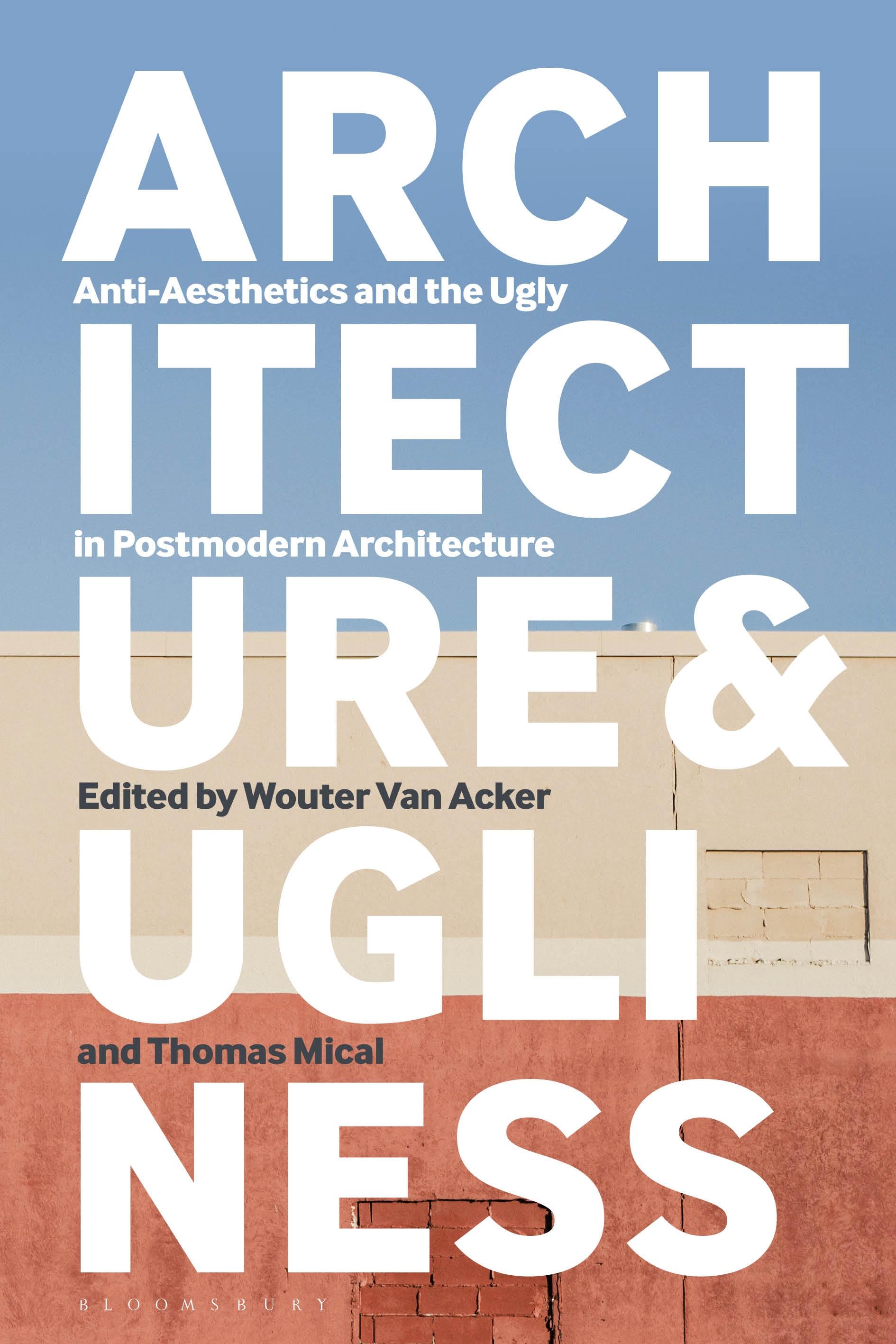
Whatever 'ugliness' is, it remains a problematic category in architectural aesthetics – alternately vilified and appropriated, used either to shock or to invert conventions of architecture.
This book presents sixteen new scholarly essays which rethink ugliness in recent architecture – from Brutalism to eclectic postmodern architectural productions – and together offer a diverse reappraisal of the history and theory of postmodern architecture and design. The essays address both broad theoretical questions on ugliness and postmodern aesthetics, as well as more specific analyses of significant architectural examples dating from the last decades of the twentieth century. The book attends to the diverse relations between the aesthetic register of ugliness and closely connected aesthetic concepts such as the monstrous, the ordinary, disgust, the excessive, the grotesque, the interesting, the impure and the sublime.
This volume does not simply document the history of a postmodern anti-aesthetic through case studies. Instead, it aims to shed light on aesthetic problems that have been largely overlooked in the agenda of architectural theory. This book answers in detail the questions: How did postmodern architects appropriate troublesome contradictions bound to the raw ugliness of the real? How have the ugly and the antiaesthetic been a productive force in postmodern architecture? How can ugliness be of value to architecture? And how can architecture make good use of ugliness?
This book presents sixteen new scholarly essays which rethink ugliness in recent architecture – from Brutalism to eclectic postmodern architectural productions – and together offer a diverse reappraisal of the history and theory of postmodern architecture and design. The essays address both broad theoretical questions on ugliness and postmodern aesthetics, as well as more specific analyses of significant architectural examples dating from the last decades of the twentieth century. The book attends to the diverse relations between the aesthetic register of ugliness and closely connected aesthetic concepts such as the monstrous, the ordinary, disgust, the excessive, the grotesque, the interesting, the impure and the sublime.
This volume does not simply document the history of a postmodern anti-aesthetic through case studies. Instead, it aims to shed light on aesthetic problems that have been largely overlooked in the agenda of architectural theory. This book answers in detail the questions: How did postmodern architects appropriate troublesome contradictions bound to the raw ugliness of the real? How have the ugly and the antiaesthetic been a productive force in postmodern architecture? How can ugliness be of value to architecture? And how can architecture make good use of ugliness?
Seiten: 304
Kategorie: Arkitektur & Stadsplanering
e-ISBN: 9781350068254
Versandgewicht: 1.2 kg
Versand in: 1-2 Tage
Zahle einfach mit Karte, Klarna, Apple Pay oder Google Pay. Nicht zufrieden? Du hast immer ein 14-tägiges Widerrufsrecht. Lies mehr in unseren AGB. Hast du Fragen, schreib uns eine E-Mail an hello@memmo.org.
Memmo macht das Lernen einfacher – wo auch immer du bist. Bei uns findest du deine Kursbücher und smarte Lerntools an einem Ort: Zusammenfassungen, Quizzes, Podcasts und Lernkarten. Und Ted, dein Lernbuddy, beantwortet alles, was du wissen möchtest. Über 50.000 Studierende lernen bereits hier – gemacht, damit du schneller lernst und weniger Stress hast.