
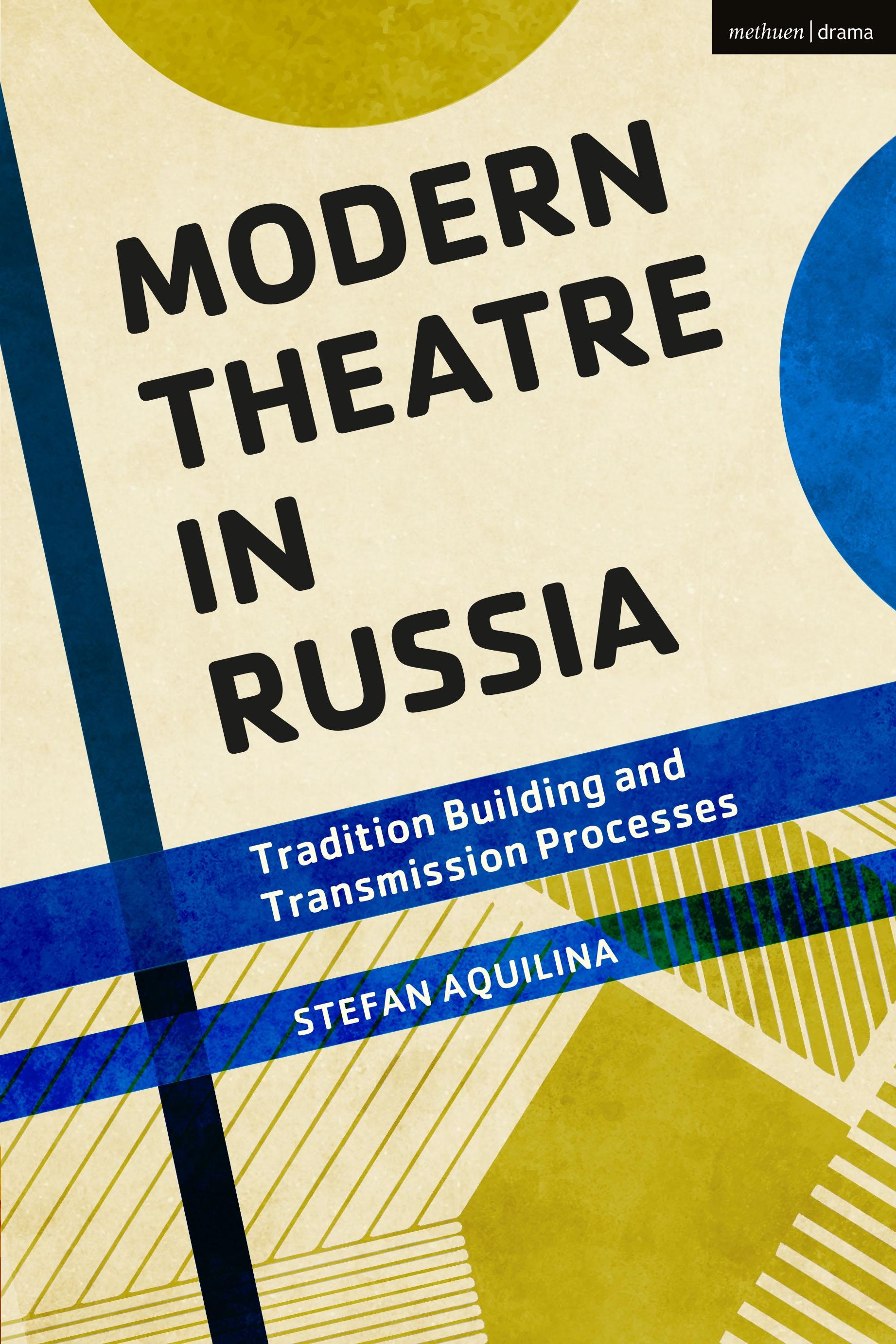
What did modern theatre in Russia look like and how did it foreground tradition building and transmission processes?
The book challenges conventional historiographical approaches by weaving contemporary theories on cultural transmission into its historical narrative. It argues that processes of transmission – training spaces, acting manuals, photographic evidence, newspaper reports, international networking, informal encounters, cultural memories – contribute to the formation and consolidation of theatre traditions.
Through English translations of rare Russian sources, the book expounds on:
*side-lined material on Stanislavsky, including his relationship with German actor Ludwig Barnay, use of improvisation at the First Studio, and rehearsal practices for Artists and Admirers (1933);
*Valentin Smyshlaev's acting manual The Technique to Process Stage Performance and the creation of hybrid practices;
*proletarian theatre as an amateur-professional combination and force in the transformation of everyday life, as seen in the Proletkult's volume Art at the Workers' Clubs;
*Meyerhold's Borodin Studio as an early example of Practice as Research, his European tour of 1930, and international persona as depicted in newspapers published in the West; and
*Asja Lacis's work with children, which contributes to current efforts to address the gender imbalance that is often characteristic of modernism.
This historical-theoretical investigation is combined with practical exercises that provide a more experiential understanding of the modern performance realities involved. In this way, the book speaks not only to theatre scholars and historians, but also to students and practitioners engaged in practical work.
The book challenges conventional historiographical approaches by weaving contemporary theories on cultural transmission into its historical narrative. It argues that processes of transmission – training spaces, acting manuals, photographic evidence, newspaper reports, international networking, informal encounters, cultural memories – contribute to the formation and consolidation of theatre traditions.
Through English translations of rare Russian sources, the book expounds on:
*side-lined material on Stanislavsky, including his relationship with German actor Ludwig Barnay, use of improvisation at the First Studio, and rehearsal practices for Artists and Admirers (1933);
*Valentin Smyshlaev's acting manual The Technique to Process Stage Performance and the creation of hybrid practices;
*proletarian theatre as an amateur-professional combination and force in the transformation of everyday life, as seen in the Proletkult's volume Art at the Workers' Clubs;
*Meyerhold's Borodin Studio as an early example of Practice as Research, his European tour of 1930, and international persona as depicted in newspapers published in the West; and
*Asja Lacis's work with children, which contributes to current efforts to address the gender imbalance that is often characteristic of modernism.
This historical-theoretical investigation is combined with practical exercises that provide a more experiential understanding of the modern performance realities involved. In this way, the book speaks not only to theatre scholars and historians, but also to students and practitioners engaged in practical work.
Seiten: 240
Kategorie: Drama, Teater & Scenkonst
e-ISBN: 9781350066090
Versandgewicht: 1.2 kg
Versand in: 1-2 Tage
Zahle einfach mit Karte, Klarna, Apple Pay oder Google Pay. Nicht zufrieden? Du hast immer ein 14-tägiges Widerrufsrecht. Lies mehr in unseren AGB. Hast du Fragen, schreib uns eine E-Mail an hello@memmo.org.
Memmo macht das Lernen einfacher – wo auch immer du bist. Bei uns findest du deine Kursbücher und smarte Lerntools an einem Ort: Zusammenfassungen, Quizzes, Podcasts und Lernkarten. Und Ted, dein Lernbuddy, beantwortet alles, was du wissen möchtest. Über 50.000 Studierende lernen bereits hier – gemacht, damit du schneller lernst und weniger Stress hast.