
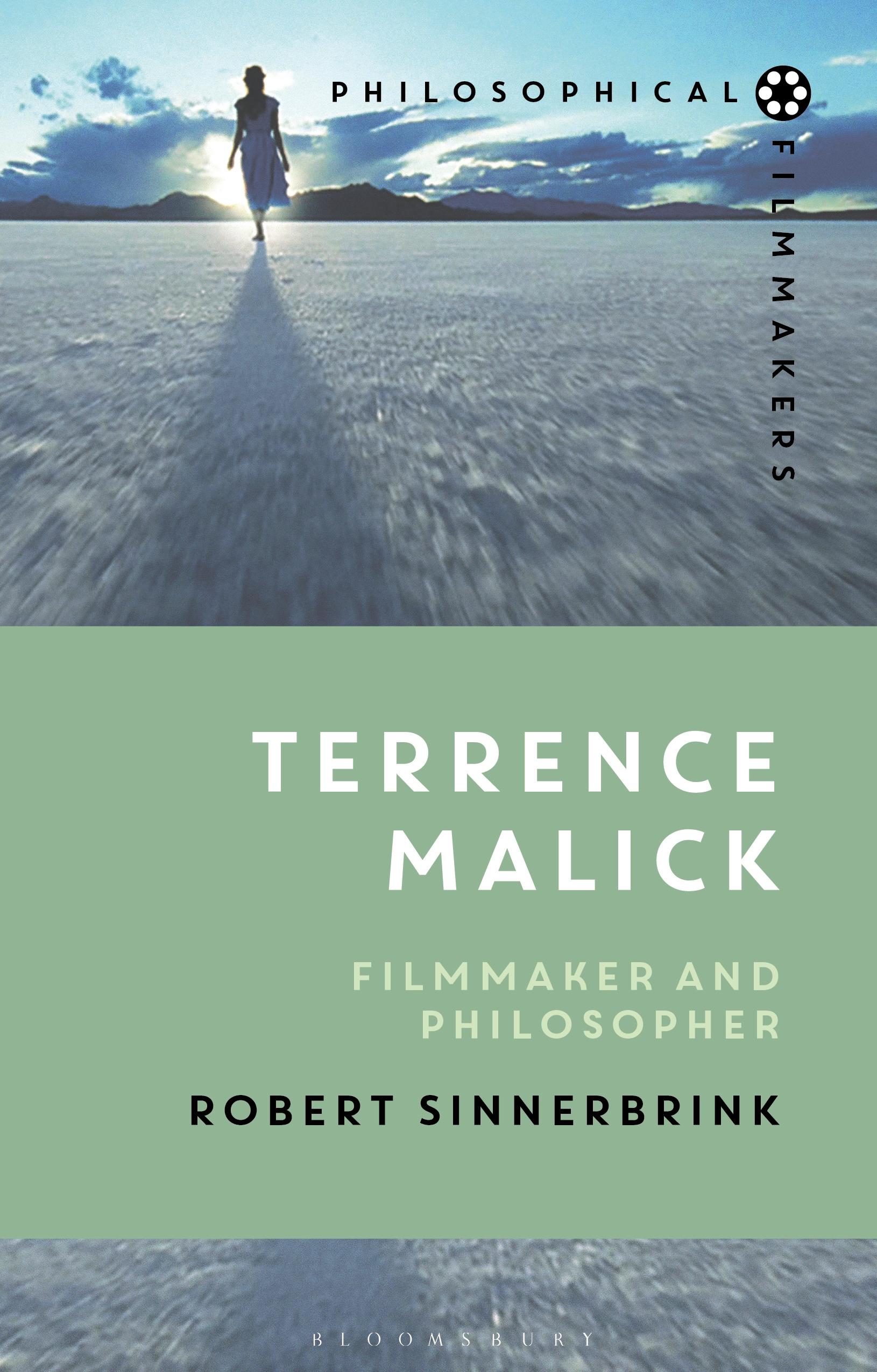
Many critics have approached Terrence Malick's work from a philosophical perspective, arguing that his films express philosophy through cinema. With their remarkable images of nature, poetic voiceovers, and meditative reflections, Malick's cinema certainly invites philosophical engagement.
In Terrence Malick: Filmmaker and Philosopher, Robert Sinnerbrink takes a different approach, exploring Malick's work as a case of cinematic ethics: films that evoke varieties of ethical experience, encompassing existential, metaphysical, and religious perspectives. Malick's films are not reducible to a particular moral position or philosophical doctrine; rather, they solicit ethically significant forms of experience, encompassing anxiety and doubt, wonder and awe, to questioning and acknowledgment, through aesthetic engagement and poetic reflection.
Drawing on a range of thinkers and approaches from Heidegger and Cavell, Nietzsche and Kierkegaard, to phenomenology and moral psychology Sinnerbrink explores how Malick's films respond to the problem of nihilism the loss of conviction or belief in prevailing forms of value and meaning and the possibility of ethical transformation through cinema: from self-transformation in our relations with others to cultural transformation via our attitudes towards towards nature and the world. Sinnerbrink shows how Malick's later films, from The Tree of Life to Voyage of Time, provide unique opportunities to explore cinematic ethics in relation to the crisis of belief, the phenomenology of love, and film's potential to invite moral transformation.
In Terrence Malick: Filmmaker and Philosopher, Robert Sinnerbrink takes a different approach, exploring Malick's work as a case of cinematic ethics: films that evoke varieties of ethical experience, encompassing existential, metaphysical, and religious perspectives. Malick's films are not reducible to a particular moral position or philosophical doctrine; rather, they solicit ethically significant forms of experience, encompassing anxiety and doubt, wonder and awe, to questioning and acknowledgment, through aesthetic engagement and poetic reflection.
Drawing on a range of thinkers and approaches from Heidegger and Cavell, Nietzsche and Kierkegaard, to phenomenology and moral psychology Sinnerbrink explores how Malick's films respond to the problem of nihilism the loss of conviction or belief in prevailing forms of value and meaning and the possibility of ethical transformation through cinema: from self-transformation in our relations with others to cultural transformation via our attitudes towards towards nature and the world. Sinnerbrink shows how Malick's later films, from The Tree of Life to Voyage of Time, provide unique opportunities to explore cinematic ethics in relation to the crisis of belief, the phenomenology of love, and film's potential to invite moral transformation.
Seiten: 272
Kategorie: Film- & Medievetenskap
e-ISBN: 9781350063655
Versandgewicht: 1.2 kg
Versand in: 1-2 Tage
Zahle einfach mit Karte, Klarna, Apple Pay oder Google Pay. Nicht zufrieden? Du hast immer ein 14-tägiges Widerrufsrecht. Lies mehr in unseren AGB. Hast du Fragen, schreib uns eine E-Mail an hello@memmo.org.
Memmo macht das Lernen einfacher – wo auch immer du bist. Bei uns findest du deine Kursbücher und smarte Lerntools an einem Ort: Zusammenfassungen, Quizzes, Podcasts und Lernkarten. Und Ted, dein Lernbuddy, beantwortet alles, was du wissen möchtest. Über 50.000 Studierende lernen bereits hier – gemacht, damit du schneller lernst und weniger Stress hast.