
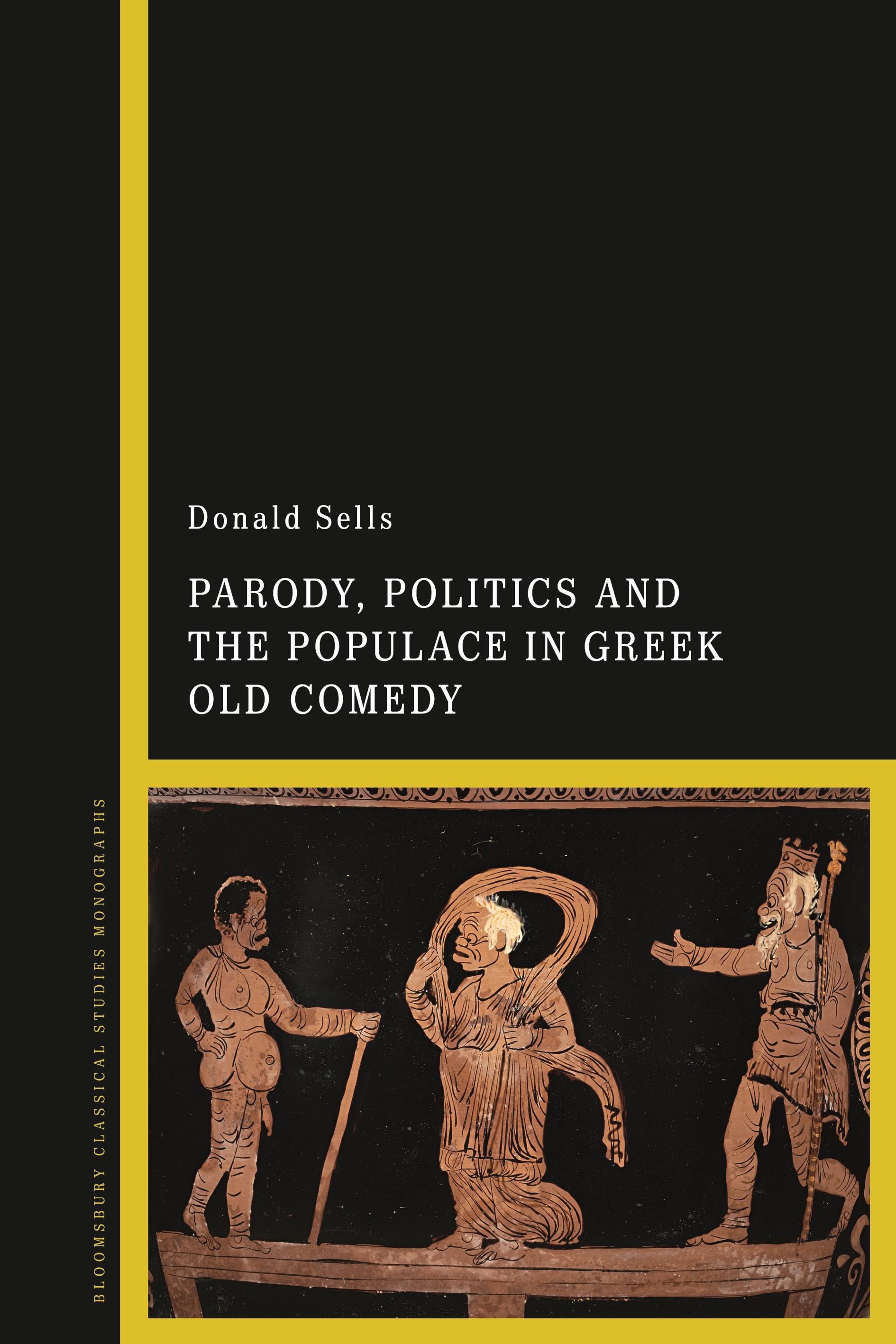
This book argues that Old Comedy's parodic and non-parodic engagement with tragedy, satyr play, and contemporary lyric is geared to enhancing its own status as the preeminent discourse on Athenian art, politics and society. Donald Sells locates the enduring significance of parody in the specific cultural, social and political subtexts that often frame Old Comedy's bold experiments with other genres and drive its rapid evolution in the late fifth century. Close analysis of verbal, visual and narrative strategies reveals the importance of parody and literary appropriation to the particular cultural and political agendas of specific plays.
This study's broader, more flexible definition of parody as a visual – not just verbal – and multi-coded performance represents an important new step in understanding a phenomenon whose richness and diversity exceeds the primarily textual and literary terms by which it is traditionally understood.
This study's broader, more flexible definition of parody as a visual – not just verbal – and multi-coded performance represents an important new step in understanding a phenomenon whose richness and diversity exceeds the primarily textual and literary terms by which it is traditionally understood.
Zahle einfach mit Karte, Klarna, Apple Pay oder Google Pay. Nicht zufrieden? Du hast immer ein 14-tägiges Widerrufsrecht. Lies mehr in unseren AGB. Hast du Fragen, schreib uns eine E-Mail an hello@memmo.org.
Memmo macht das Lernen einfacher – wo auch immer du bist. Bei uns findest du deine Kursbücher und smarte Lerntools an einem Ort: Zusammenfassungen, Quizzes, Podcasts und Lernkarten. Und Ted, dein Lernbuddy, beantwortet alles, was du wissen möchtest. Über 50.000 Studierende lernen bereits hier – gemacht, damit du schneller lernst und weniger Stress hast.