
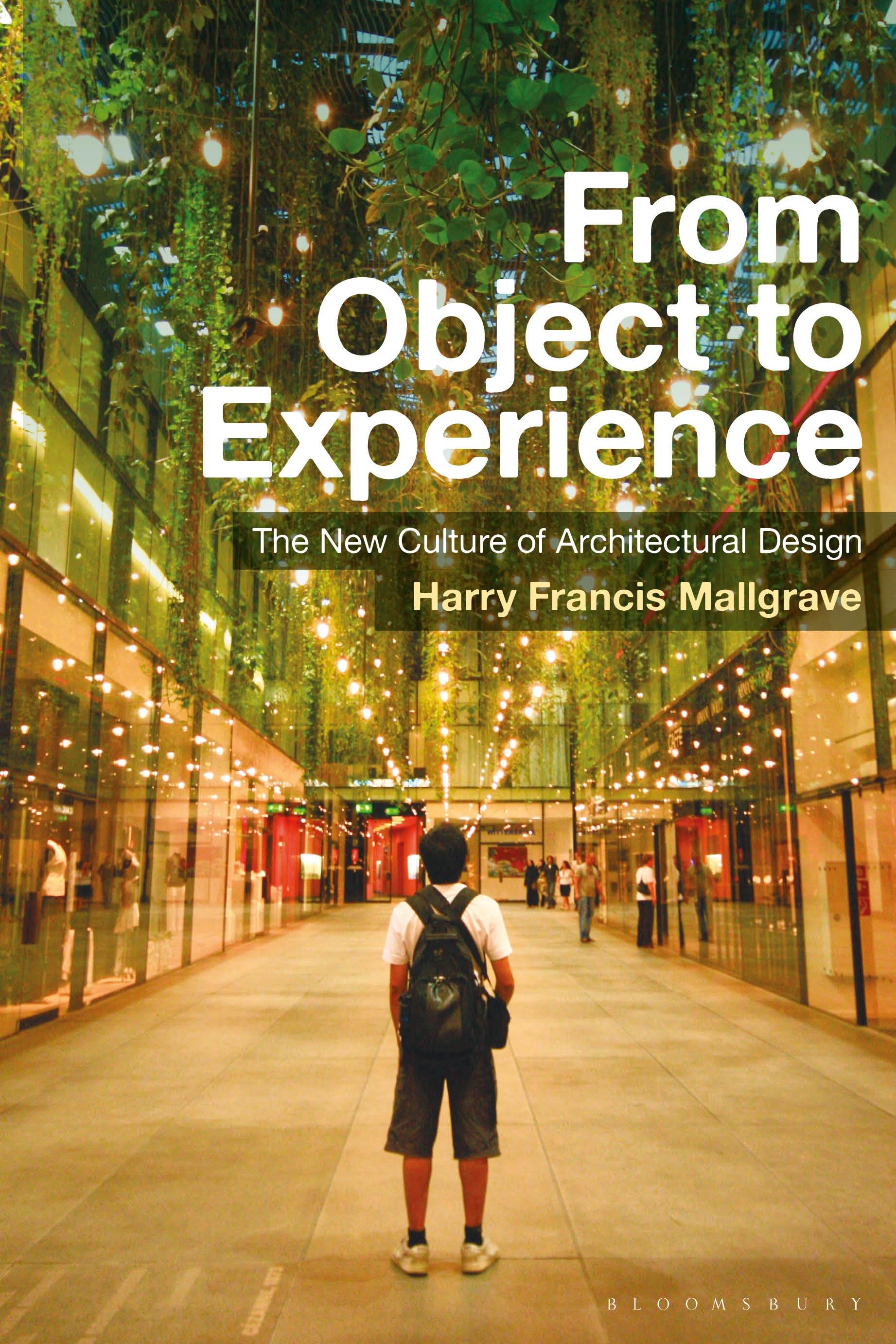
Harry Francis Mallgrave combines a history of ideas about architectural experience with the latest insights from the fields of neuroscience, cognitive science and evolutionary biology to make a powerful argument about the nature and future of architectural design.
Today, the sciences have granted us the tools to help us understand better than ever before the precise ways in which the built environment can affect the building user's individual experience. Through an understanding of these tools, architects should be able to become better designers, prioritizing the experience of space - the emotional and aesthetic responses, and the sense of homeostatic well-being, of those who will occupy any designed environment. In From Object to Experience, Mallgrave goes further, arguing that it should also be possible to build an effective new cultural ethos for architectural practice.
Drawing upon a range of humanistic and biological sources, and emphasizing the far-reaching implications of new neuroscientific discoveries and models, this book brings up-to-date insights and theoretical clarity to a position that was once considered revolutionary but is fast becoming accepted in architecture.
Today, the sciences have granted us the tools to help us understand better than ever before the precise ways in which the built environment can affect the building user's individual experience. Through an understanding of these tools, architects should be able to become better designers, prioritizing the experience of space - the emotional and aesthetic responses, and the sense of homeostatic well-being, of those who will occupy any designed environment. In From Object to Experience, Mallgrave goes further, arguing that it should also be possible to build an effective new cultural ethos for architectural practice.
Drawing upon a range of humanistic and biological sources, and emphasizing the far-reaching implications of new neuroscientific discoveries and models, this book brings up-to-date insights and theoretical clarity to a position that was once considered revolutionary but is fast becoming accepted in architecture.
Seiten: 256
Kategorie: Arkitektur & Stadsplanering
e-ISBN: 9781350059542
Versandgewicht: 1.2 kg
Versand in: 1-2 Tage
Zahle einfach mit Karte, Klarna, Apple Pay oder Google Pay. Nicht zufrieden? Du hast immer ein 14-tägiges Widerrufsrecht. Lies mehr in unseren AGB. Hast du Fragen, schreib uns eine E-Mail an hello@memmo.org.
Memmo macht das Lernen einfacher – wo auch immer du bist. Bei uns findest du deine Kursbücher und smarte Lerntools an einem Ort: Zusammenfassungen, Quizzes, Podcasts und Lernkarten. Und Ted, dein Lernbuddy, beantwortet alles, was du wissen möchtest. Über 50.000 Studierende lernen bereits hier – gemacht, damit du schneller lernst und weniger Stress hast.