
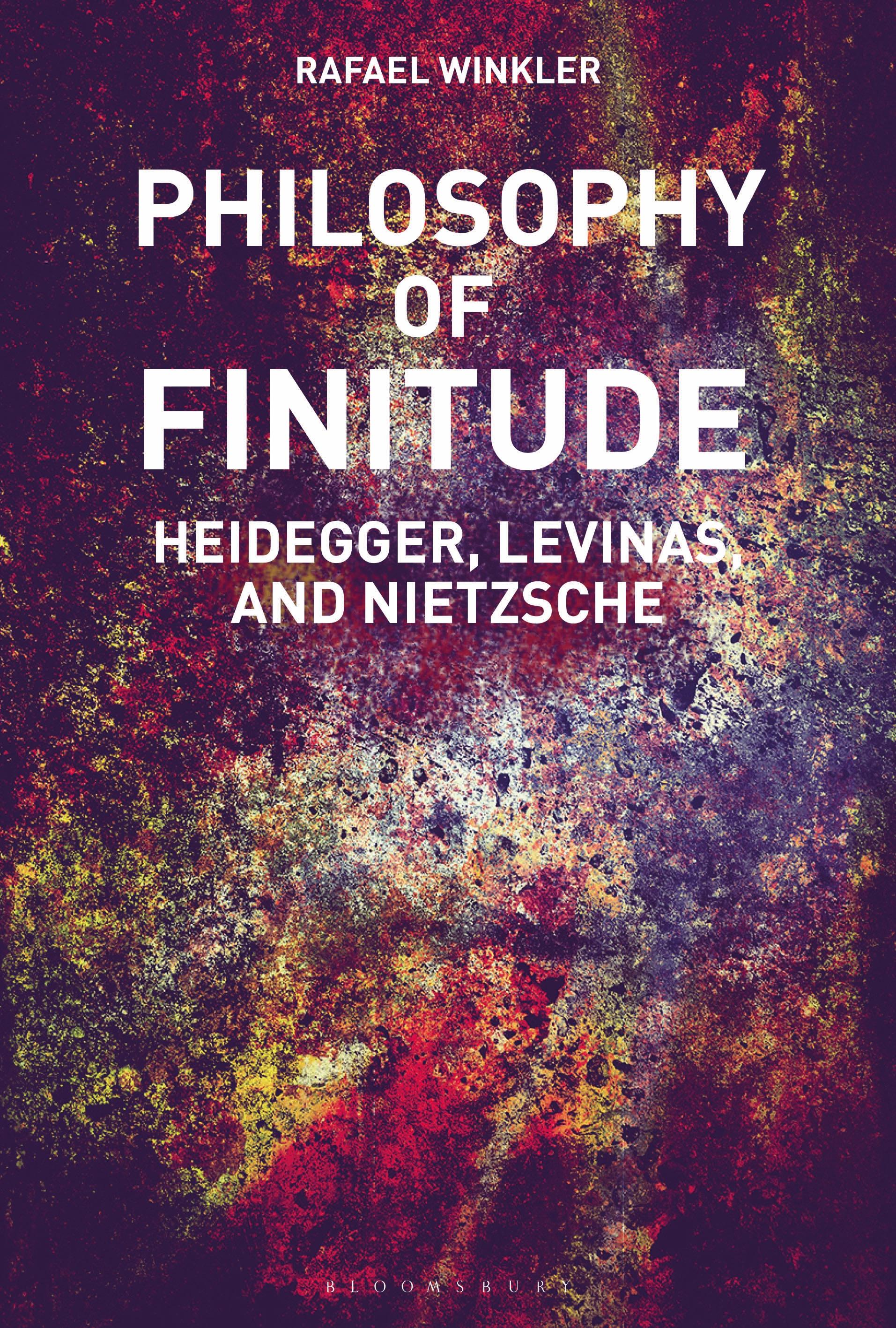
Examining the legacies of Heidegger, along with Derrida, Levinas and Nietzsche, Rafael Winkler argues that it is not the search for truth or even contradictions that stimulates philosophical thought. Instead, it is our exposure to the unthinkable or the impossible – to thought's own limits.
An experience of the unthinkable is possible in our encounter with the uniqueness of death, the singularity of being, and of the self and the other. This 'thinking of finitude' also has political implications, as it provides us with a way to talk about, and evaluate, absolute strangeness and, by implication, the absolute stranger or foreigner.
Illuminating Heidegger's writings on the question of ontology, ethics and history, Winkler proves that this encounter with thought's limits is one of the mainstays of the philosophies of difference of Heidegger, Levinas, and Nietzsche.
An experience of the unthinkable is possible in our encounter with the uniqueness of death, the singularity of being, and of the self and the other. This 'thinking of finitude' also has political implications, as it provides us with a way to talk about, and evaluate, absolute strangeness and, by implication, the absolute stranger or foreigner.
Illuminating Heidegger's writings on the question of ontology, ethics and history, Winkler proves that this encounter with thought's limits is one of the mainstays of the philosophies of difference of Heidegger, Levinas, and Nietzsche.
Zahle einfach mit Karte, Klarna, Apple Pay oder Google Pay. Nicht zufrieden? Du hast immer ein 14-tägiges Widerrufsrecht. Lies mehr in unseren AGB. Hast du Fragen, schreib uns eine E-Mail an hello@memmo.org.
Memmo macht das Lernen einfacher – wo auch immer du bist. Bei uns findest du deine Kursbücher und smarte Lerntools an einem Ort: Zusammenfassungen, Quizzes, Podcasts und Lernkarten. Und Ted, dein Lernbuddy, beantwortet alles, was du wissen möchtest. Über 50.000 Studierende lernen bereits hier – gemacht, damit du schneller lernst und weniger Stress hast.