
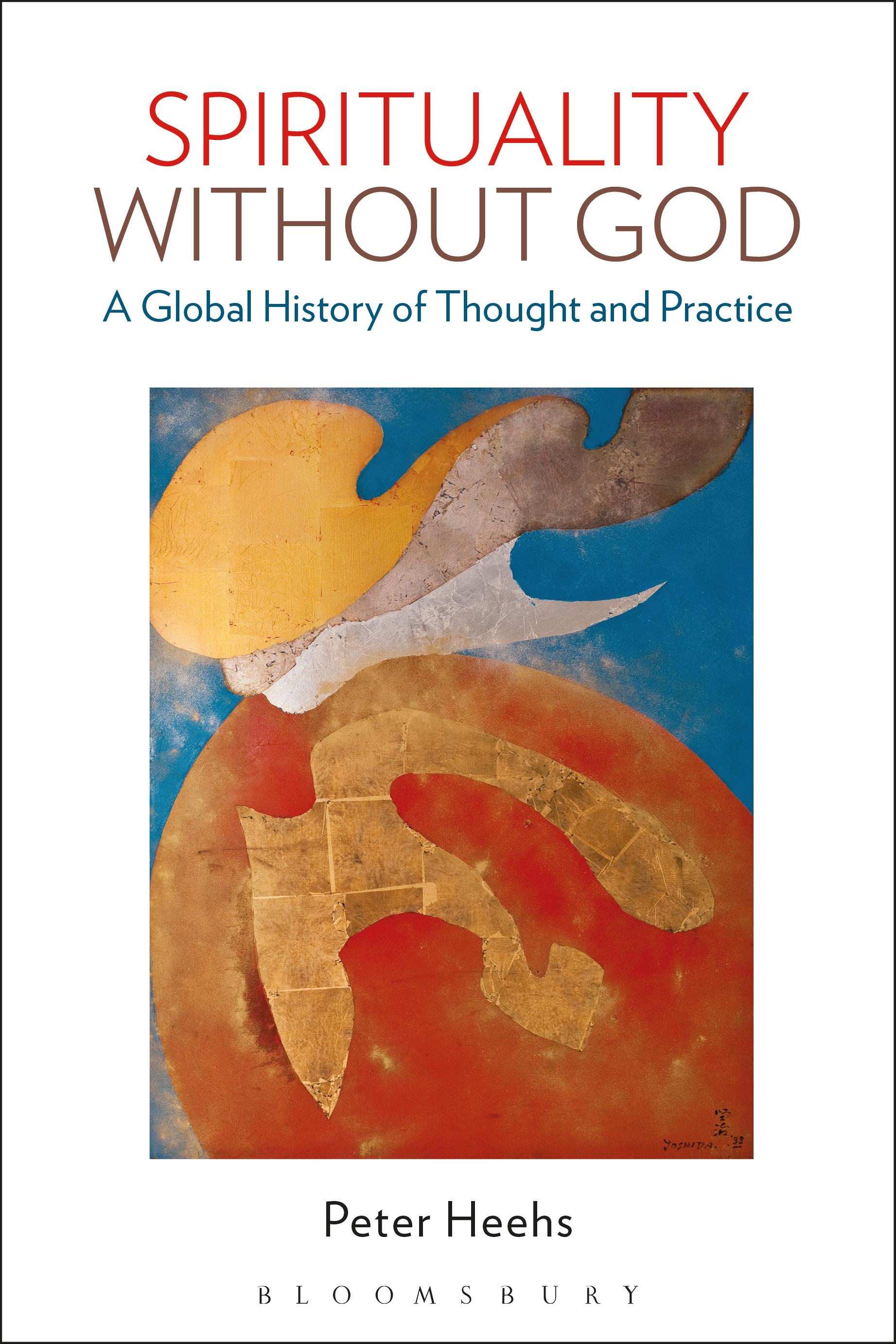
Spirituality without God is the first global survey of “godless” spirituality. Long before “spiritual but not religious” became the catchphrase of the day, there were religious and spiritual traditions in India, China, and the West that denied the existence of God.
Peter Heehs begins by looking at godless traditions in the ancient world. Indian religions such as Jainism and Buddhism showed the way to liberation through individual effort. In China, Confucians and Daoists taught how to live in harmony with nature and society. Philosophies of the Greco-Roman world, such as Epicureanism, Stoicism, and Skepticism, focused on enhancing the quality of life rather than buying the favor of the gods through sacrifice or worship. Heehs shows how these traditions, rediscovered during the Renaissance, helped jump-start the European Enlightenment and opened the way to the atheism and agnosticism of the eighteenth and nineteenth centuries. The personal, inner, approach to religion became known as "spirituality.”
Spirituality without God is a counterbalance to theistic narratives that have dominated the field, as well as an introduction to modes of spiritual thought and practice that may appeal to people who have no interest in God.
Peter Heehs begins by looking at godless traditions in the ancient world. Indian religions such as Jainism and Buddhism showed the way to liberation through individual effort. In China, Confucians and Daoists taught how to live in harmony with nature and society. Philosophies of the Greco-Roman world, such as Epicureanism, Stoicism, and Skepticism, focused on enhancing the quality of life rather than buying the favor of the gods through sacrifice or worship. Heehs shows how these traditions, rediscovered during the Renaissance, helped jump-start the European Enlightenment and opened the way to the atheism and agnosticism of the eighteenth and nineteenth centuries. The personal, inner, approach to religion became known as "spirituality.”
Spirituality without God is a counterbalance to theistic narratives that have dominated the field, as well as an introduction to modes of spiritual thought and practice that may appeal to people who have no interest in God.
Zahle einfach mit Karte, Klarna, Apple Pay oder Google Pay. Nicht zufrieden? Du hast immer ein 14-tägiges Widerrufsrecht. Lies mehr in unseren AGB. Hast du Fragen, schreib uns eine E-Mail an hello@memmo.org.
Memmo macht das Lernen einfacher – wo auch immer du bist. Bei uns findest du deine Kursbücher und smarte Lerntools an einem Ort: Zusammenfassungen, Quizzes, Podcasts und Lernkarten. Und Ted, dein Lernbuddy, beantwortet alles, was du wissen möchtest. Über 50.000 Studierende lernen bereits hier – gemacht, damit du schneller lernst und weniger Stress hast.