
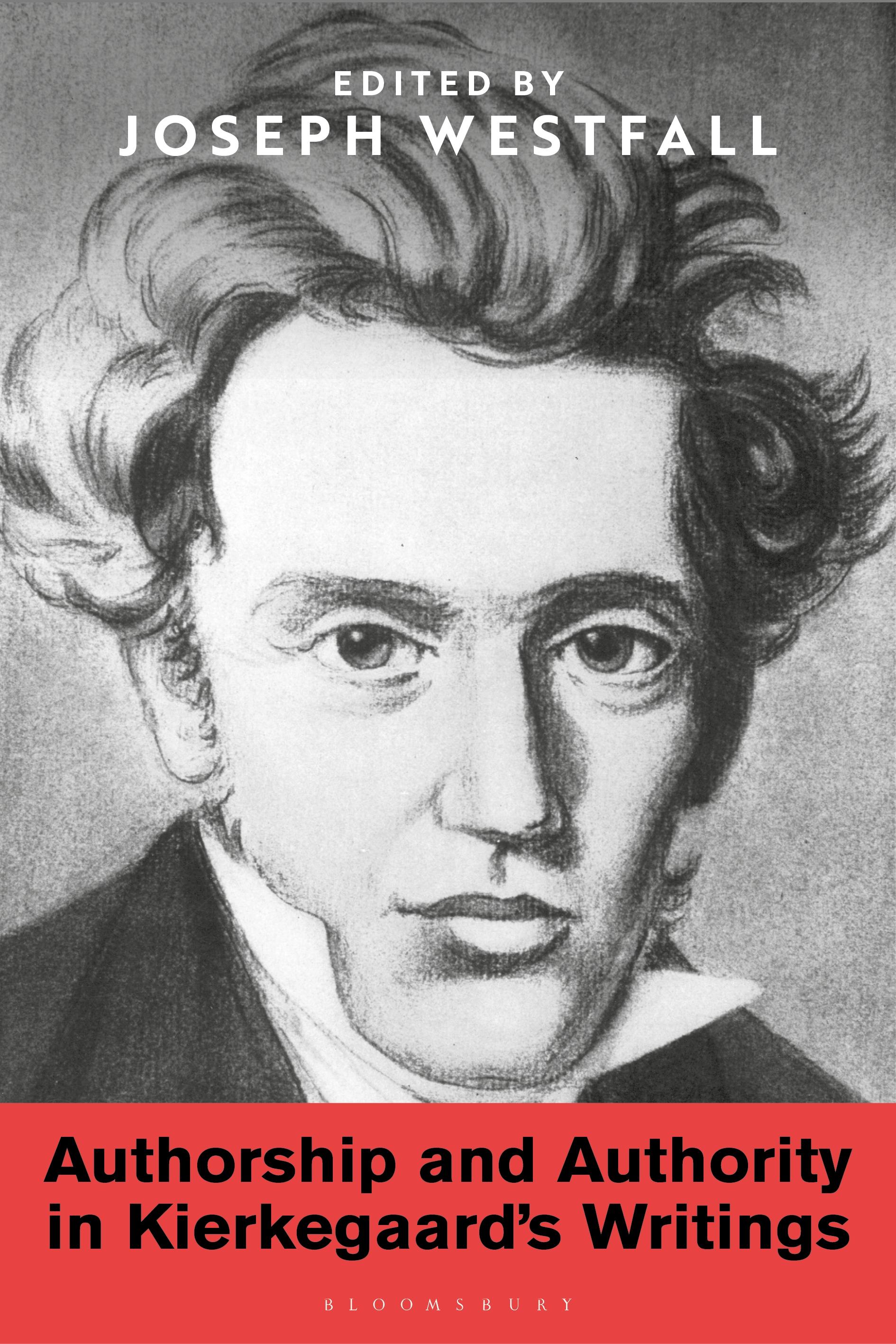
Authorship is a complicated subject in Kierkegaard's work, which he surely recognized, given his late attempts to explain himself in On My Work as an Author. From the use of multiple pseudonyms and antonyms, to contributions across a spectrum of media and genres, issues of authorship abound.
Why did Kierkegaard write in the ways he did? Before we assess Kierkegaard's famous thoughts on faith or love, or the relationship between 'the aesthetic,' 'the ethical,' and 'the religious,' we must approach how he expressed them. Given the multi-authored nature of his works, can we find a view or voice that is definitively Kierkegaard's own? Can entries in his unpublished journals and notebooks tell us what Kierkegaard himself thought? How should contemporary readers understand inconsistencies or contradictions between differently named authors?
We cannot make definitive claims about Kierkegaard's work as a thinker without understanding Kierkegaard's work as an author. This collection, by leading contemporary Kierkegaard scholars, is the first to systematically examine the divisive question and practice of authorship in Kierkegaard from philosophical, literary and theological perspectives.
Why did Kierkegaard write in the ways he did? Before we assess Kierkegaard's famous thoughts on faith or love, or the relationship between 'the aesthetic,' 'the ethical,' and 'the religious,' we must approach how he expressed them. Given the multi-authored nature of his works, can we find a view or voice that is definitively Kierkegaard's own? Can entries in his unpublished journals and notebooks tell us what Kierkegaard himself thought? How should contemporary readers understand inconsistencies or contradictions between differently named authors?
We cannot make definitive claims about Kierkegaard's work as a thinker without understanding Kierkegaard's work as an author. This collection, by leading contemporary Kierkegaard scholars, is the first to systematically examine the divisive question and practice of authorship in Kierkegaard from philosophical, literary and theological perspectives.
Zahle einfach mit Karte, Klarna, Apple Pay oder Google Pay. Nicht zufrieden? Du hast immer ein 14-tägiges Widerrufsrecht. Lies mehr in unseren AGB. Hast du Fragen, schreib uns eine E-Mail an hello@memmo.org.
Memmo macht das Lernen einfacher – wo auch immer du bist. Bei uns findest du deine Kursbücher und smarte Lerntools an einem Ort: Zusammenfassungen, Quizzes, Podcasts und Lernkarten. Und Ted, dein Lernbuddy, beantwortet alles, was du wissen möchtest. Über 50.000 Studierende lernen bereits hier – gemacht, damit du schneller lernst und weniger Stress hast.