
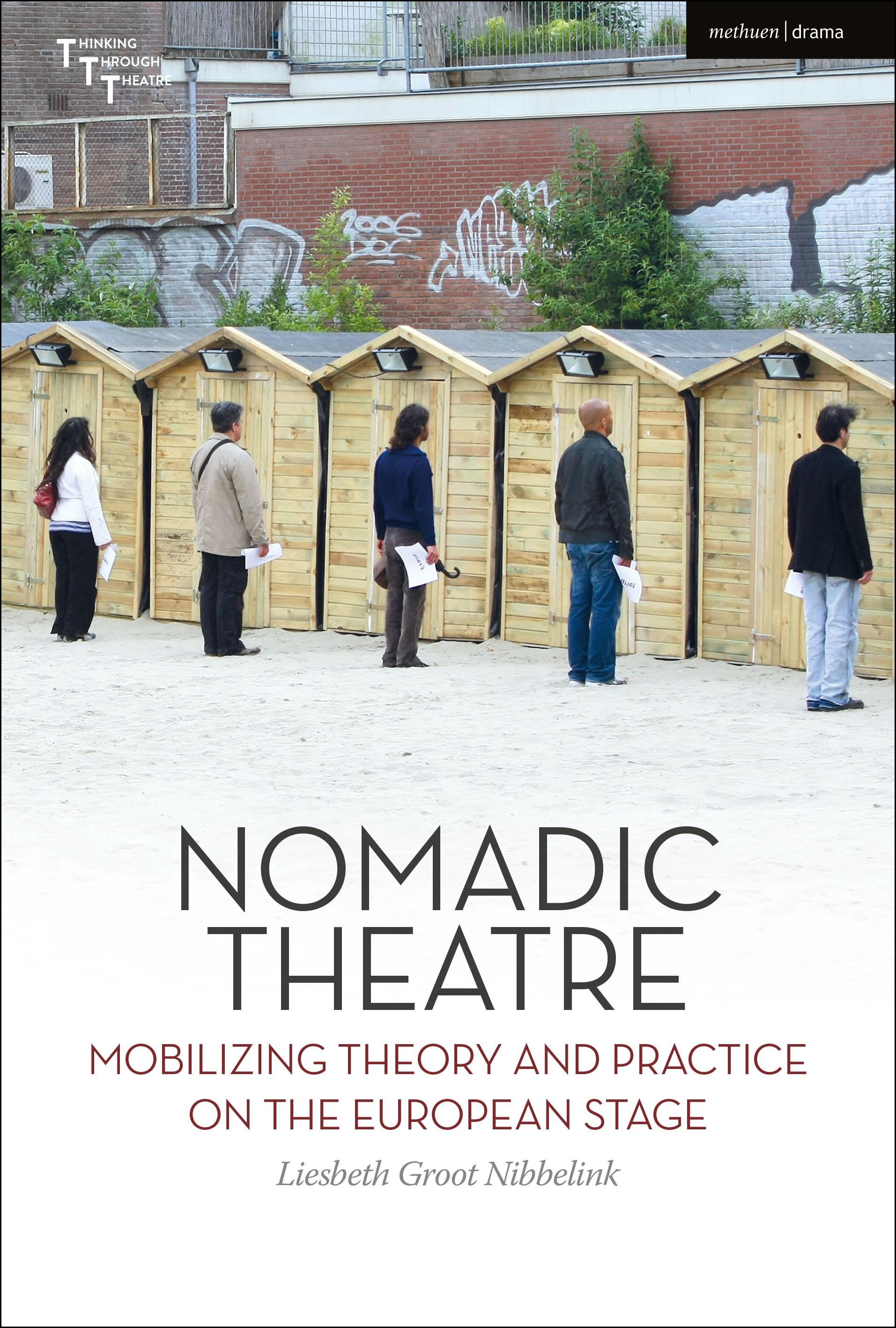
Fluid stages, morphing theatre spaces, ambulant spectators, and occasionally disappearing performers: these are some of the key ingredients of nomadic theatre. They are also theatre's response to life in the 21st century, which is increasingly marked by the mobility of people, information, technologies and services. While examining how contemporary theatre exposes and queries this mobile turn in society, Liesbeth Groot Nibbelink introduces the concept of nomadic theatre as a vital tool for analyzing how movement and mobility affect and implicate the theatre, how this makes way for local operations and lived spaces, and how physical movements are stepping stones for theorizing mobility at large.
This book focuses on ambulatory performances and performative installations, asking how they stage movement and in turn mobilize the stage. By analyzing the work of leading European artists such as Rimini Protokoll, Dries Verhoeven, Ontroerend Goed, and Signa, Nomadic Theatre demonstrates that mobile performances radically rethink the conditions of the stage and alter our understanding of spectatorship.
Nomadic Theatre instigates connections across disciplinary fields and feeds dramaturgical analysis with insights derived from media theory, urban philosophy, cartography, architecture, and game studies. It illustrates how theatre, as a material form of thought, creatively and critically engages with mobile existence both on the stage and in society.
This book focuses on ambulatory performances and performative installations, asking how they stage movement and in turn mobilize the stage. By analyzing the work of leading European artists such as Rimini Protokoll, Dries Verhoeven, Ontroerend Goed, and Signa, Nomadic Theatre demonstrates that mobile performances radically rethink the conditions of the stage and alter our understanding of spectatorship.
Nomadic Theatre instigates connections across disciplinary fields and feeds dramaturgical analysis with insights derived from media theory, urban philosophy, cartography, architecture, and game studies. It illustrates how theatre, as a material form of thought, creatively and critically engages with mobile existence both on the stage and in society.
Zahle einfach mit Karte, Klarna, Apple Pay oder Google Pay. Nicht zufrieden? Du hast immer ein 14-tägiges Widerrufsrecht. Lies mehr in unseren AGB. Hast du Fragen, schreib uns eine E-Mail an hello@memmo.org.
Memmo macht das Lernen einfacher – wo auch immer du bist. Bei uns findest du deine Kursbücher und smarte Lerntools an einem Ort: Zusammenfassungen, Quizzes, Podcasts und Lernkarten. Und Ted, dein Lernbuddy, beantwortet alles, was du wissen möchtest. Über 50.000 Studierende lernen bereits hier – gemacht, damit du schneller lernst und weniger Stress hast.