
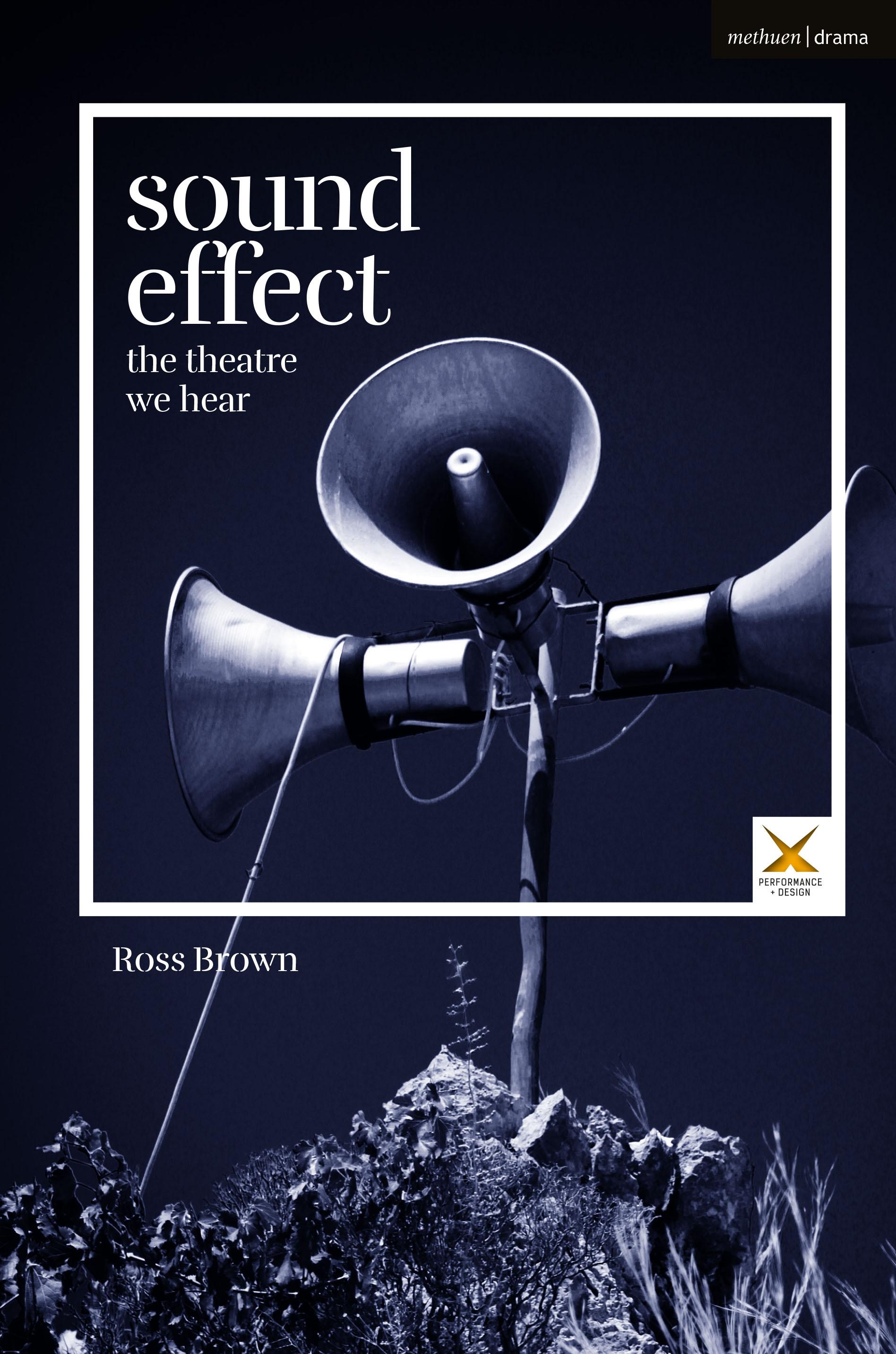
Longlisted for the PQ Best Publication Award in Performance Design & Scenography 2023
Sound Effect tells the story of the effect of theatrical aurality on modern culture. Beginning with the emergence of the modern scenic sound effect in the late 18th century, and ending with headphone theatre which brings theatre's auditorium into an intimate relationship with the audience's internal sonic space, the book relates contemporary questions of theatre sound design to a 250-year Western cultural history of hearing. It argues that while theatron was an instrument for seeing and theorizing, first a collective hearing, or audience is convened. Theatre begins with people entering an acoustemological apparatus that produces a way of hearing and of knowing. Once, this was a giant marble ear on a hillside, turned up to a cosmos whose inaudible music accounted for all. In modern times, theatre's auditorium, or instrument for hearing, has turned inwards on the people and their collective conversance in the sonic memes, tropes, clichés and picturesques that constitute a popular, fictional ontology.
This is a study about drama, entertainment, modernity and the theatre of audibility. It addresses the cultural frames of resonance that inform our understanding of SOUND as the rubric of the world we experience through our ears. Ross Brown reveals how mythologies, pop-culture, art, commerce and audio, have shaped the audible world as a form of theatre. Garrick, De Loutherbourg, Brecht, Dracula, Jekyll, Hyde, Spike Milligan, John Lennon, James Bond, Scooby-Do and Edison make cameo appearances as Brown weaves together a history of modern hearing, with an argument that sound is a story, audibility has a dramaturgy, hearing is scenographic, and the auditoria of drama serve modern life as the organon, or definitive frame of reference, on the sonic world.
Sound Effect tells the story of the effect of theatrical aurality on modern culture. Beginning with the emergence of the modern scenic sound effect in the late 18th century, and ending with headphone theatre which brings theatre's auditorium into an intimate relationship with the audience's internal sonic space, the book relates contemporary questions of theatre sound design to a 250-year Western cultural history of hearing. It argues that while theatron was an instrument for seeing and theorizing, first a collective hearing, or audience is convened. Theatre begins with people entering an acoustemological apparatus that produces a way of hearing and of knowing. Once, this was a giant marble ear on a hillside, turned up to a cosmos whose inaudible music accounted for all. In modern times, theatre's auditorium, or instrument for hearing, has turned inwards on the people and their collective conversance in the sonic memes, tropes, clichés and picturesques that constitute a popular, fictional ontology.
This is a study about drama, entertainment, modernity and the theatre of audibility. It addresses the cultural frames of resonance that inform our understanding of SOUND as the rubric of the world we experience through our ears. Ross Brown reveals how mythologies, pop-culture, art, commerce and audio, have shaped the audible world as a form of theatre. Garrick, De Loutherbourg, Brecht, Dracula, Jekyll, Hyde, Spike Milligan, John Lennon, James Bond, Scooby-Do and Edison make cameo appearances as Brown weaves together a history of modern hearing, with an argument that sound is a story, audibility has a dramaturgy, hearing is scenographic, and the auditoria of drama serve modern life as the organon, or definitive frame of reference, on the sonic world.
Seiten: 240
Kategorie: Film- & Medievetenskap
e-ISBN: 9781350045910
Versandgewicht: 1.2 kg
Versand in: 1-2 Tage
Zahle einfach mit Karte, Klarna, Apple Pay oder Google Pay. Nicht zufrieden? Du hast immer ein 14-tägiges Widerrufsrecht. Lies mehr in unseren AGB. Hast du Fragen, schreib uns eine E-Mail an hello@memmo.org.
Memmo macht das Lernen einfacher – wo auch immer du bist. Bei uns findest du deine Kursbücher und smarte Lerntools an einem Ort: Zusammenfassungen, Quizzes, Podcasts und Lernkarten. Und Ted, dein Lernbuddy, beantwortet alles, was du wissen möchtest. Über 50.000 Studierende lernen bereits hier – gemacht, damit du schneller lernst und weniger Stress hast.