
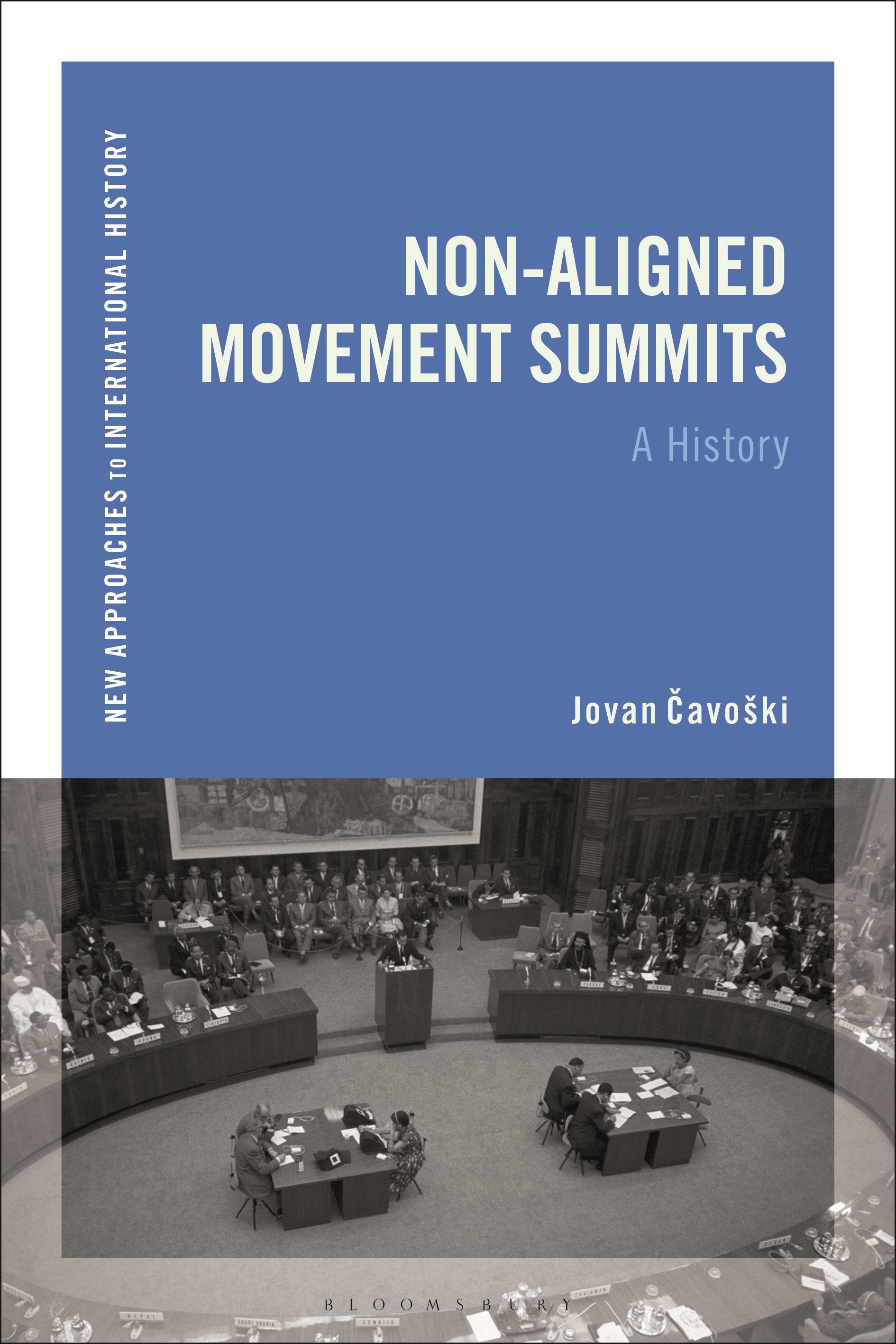
Using newly declassified documents from Serbian, British, Indian, Chinese, Myanmar, U.S., and Soviet archives, Non-Aligned Movement Summits shows how the Non-Aligned Movement (NAM) gradually evolved into the third force of Cold War politics, enveloping most of the post-colonial and non-bloc world.
Jovan Cavoški follows the evolution of the NAM through its summits and other gatherings, during which major political decisions pertaining to the destiny of the Third World were made. These events were scrutinized by all major powers and had a corresponding effect on their policies. From the Belgrade Conference in 1961 until 1989, all major Third World and non-bloc nations met to demonstrate to the Eastern and Western Blocs that they were independent, active and respected participants in world affairs. Cavoški shows how these summits were also closely related to events occurring in the relationship between the two blocs, providing opportunities for non-bloc actors to influence the global balance of power.
By moving the focus of 20th-century international history away from the bloc nations, and instead giving developing nations in Africa and Asia due attention, this book provides a fresh perspective on Cold War history and fills a significant gap in the literature. It is an important study for all students and scholars of the Cold War and international history.
Jovan Cavoški follows the evolution of the NAM through its summits and other gatherings, during which major political decisions pertaining to the destiny of the Third World were made. These events were scrutinized by all major powers and had a corresponding effect on their policies. From the Belgrade Conference in 1961 until 1989, all major Third World and non-bloc nations met to demonstrate to the Eastern and Western Blocs that they were independent, active and respected participants in world affairs. Cavoški shows how these summits were also closely related to events occurring in the relationship between the two blocs, providing opportunities for non-bloc actors to influence the global balance of power.
By moving the focus of 20th-century international history away from the bloc nations, and instead giving developing nations in Africa and Asia due attention, this book provides a fresh perspective on Cold War history and fills a significant gap in the literature. It is an important study for all students and scholars of the Cold War and international history.
Zahle einfach mit Karte, Klarna, Apple Pay oder Google Pay. Nicht zufrieden? Du hast immer ein 14-tägiges Widerrufsrecht. Lies mehr in unseren AGB. Hast du Fragen, schreib uns eine E-Mail an hello@memmo.org.
Memmo macht das Lernen einfacher – wo auch immer du bist. Bei uns findest du deine Kursbücher und smarte Lerntools an einem Ort: Zusammenfassungen, Quizzes, Podcasts und Lernkarten. Und Ted, dein Lernbuddy, beantwortet alles, was du wissen möchtest. Über 50.000 Studierende lernen bereits hier – gemacht, damit du schneller lernst und weniger Stress hast.