
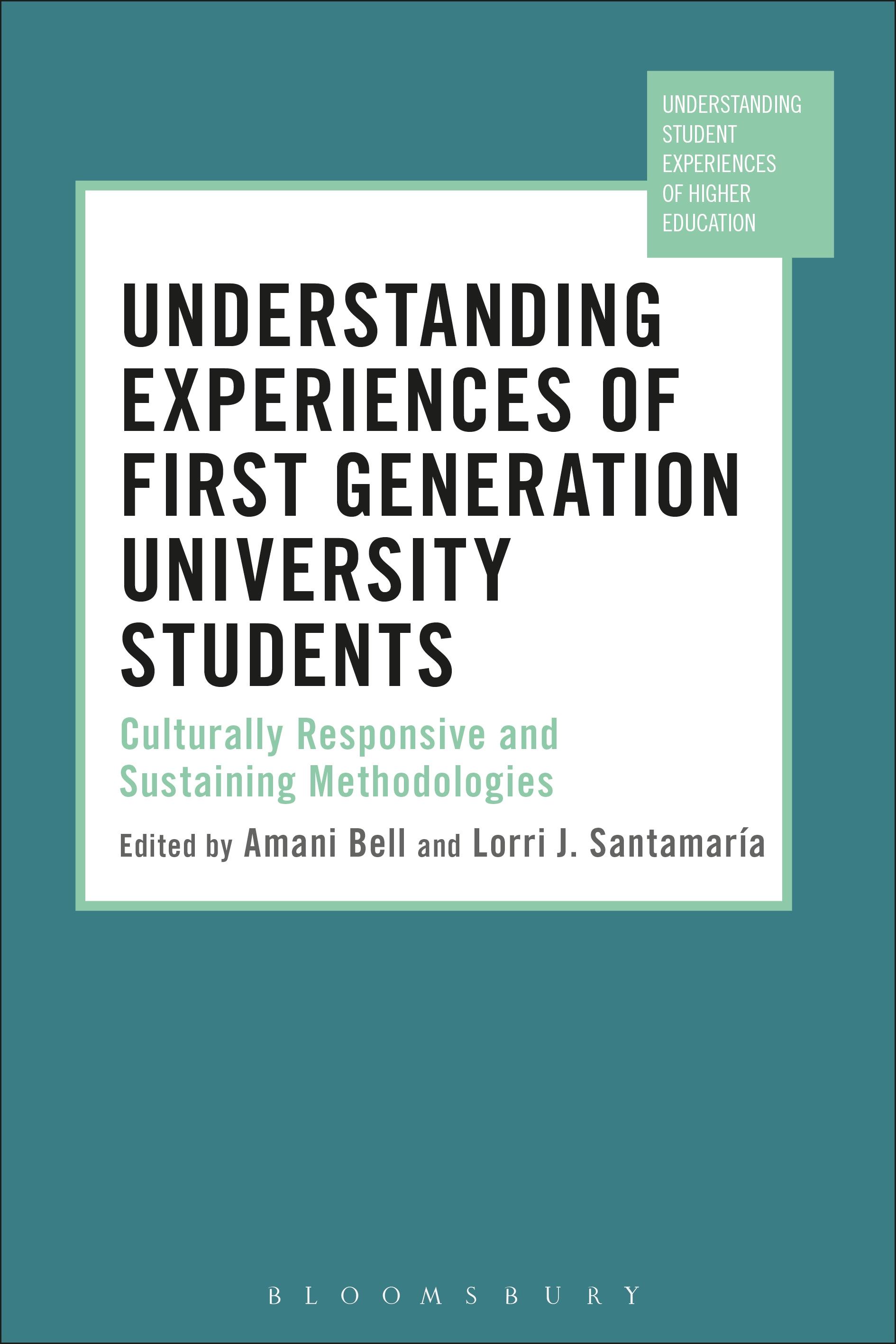
Over the past few decades universities have opened their doors to students whose parents and grandparents were historically excluded from societal participation and higher education for reasons associated with racial, ethnic, socio-economic and/or linguistic diversity. Many of these students are first generation - or first in their family to attend university. While some progress has been made in responding to the needs of these internationally underserved learners, many challenges remain.
This edited book features the unique and diverse experiences of first generation students as they transition into and engage with higher education whilst exploring ways in which universities might better serve these students. With reference to culturally responsive and sustaining research methodologies undertaken in Australia, Canada, New Zealand, South Africa, the UK and the USA, the contributors critically examine how these students demonstrate resilience within university, and ways in which success and challenges are articulated. Elements that are unique to context and shared across the international higher education milieu are explored. The book is replete with diverse student voices, and compelling implications for practice and future research.
The studies featured are centred on underlying theories of identity and intersectionality while valuing student voices and experiences. Throughout, the emphasis is on using strengths-based indigenous and decolonised methodologies. Through these culturally sustaining approaches, which include critical incident technique, participatory learning and action, talanoa and narrative inquiry, the book explores rich data on first generation student experiences at seven institutions in six countries across four continents.
This edited book features the unique and diverse experiences of first generation students as they transition into and engage with higher education whilst exploring ways in which universities might better serve these students. With reference to culturally responsive and sustaining research methodologies undertaken in Australia, Canada, New Zealand, South Africa, the UK and the USA, the contributors critically examine how these students demonstrate resilience within university, and ways in which success and challenges are articulated. Elements that are unique to context and shared across the international higher education milieu are explored. The book is replete with diverse student voices, and compelling implications for practice and future research.
The studies featured are centred on underlying theories of identity and intersectionality while valuing student voices and experiences. Throughout, the emphasis is on using strengths-based indigenous and decolonised methodologies. Through these culturally sustaining approaches, which include critical incident technique, participatory learning and action, talanoa and narrative inquiry, the book explores rich data on first generation student experiences at seven institutions in six countries across four continents.
Zahle einfach mit Karte, Klarna, Apple Pay oder Google Pay. Nicht zufrieden? Du hast immer ein 14-tägiges Widerrufsrecht. Lies mehr in unseren AGB. Hast du Fragen, schreib uns eine E-Mail an hello@memmo.org.
Memmo macht das Lernen einfacher – wo auch immer du bist. Bei uns findest du deine Kursbücher und smarte Lerntools an einem Ort: Zusammenfassungen, Quizzes, Podcasts und Lernkarten. Und Ted, dein Lernbuddy, beantwortet alles, was du wissen möchtest. Über 50.000 Studierende lernen bereits hier – gemacht, damit du schneller lernst und weniger Stress hast.