
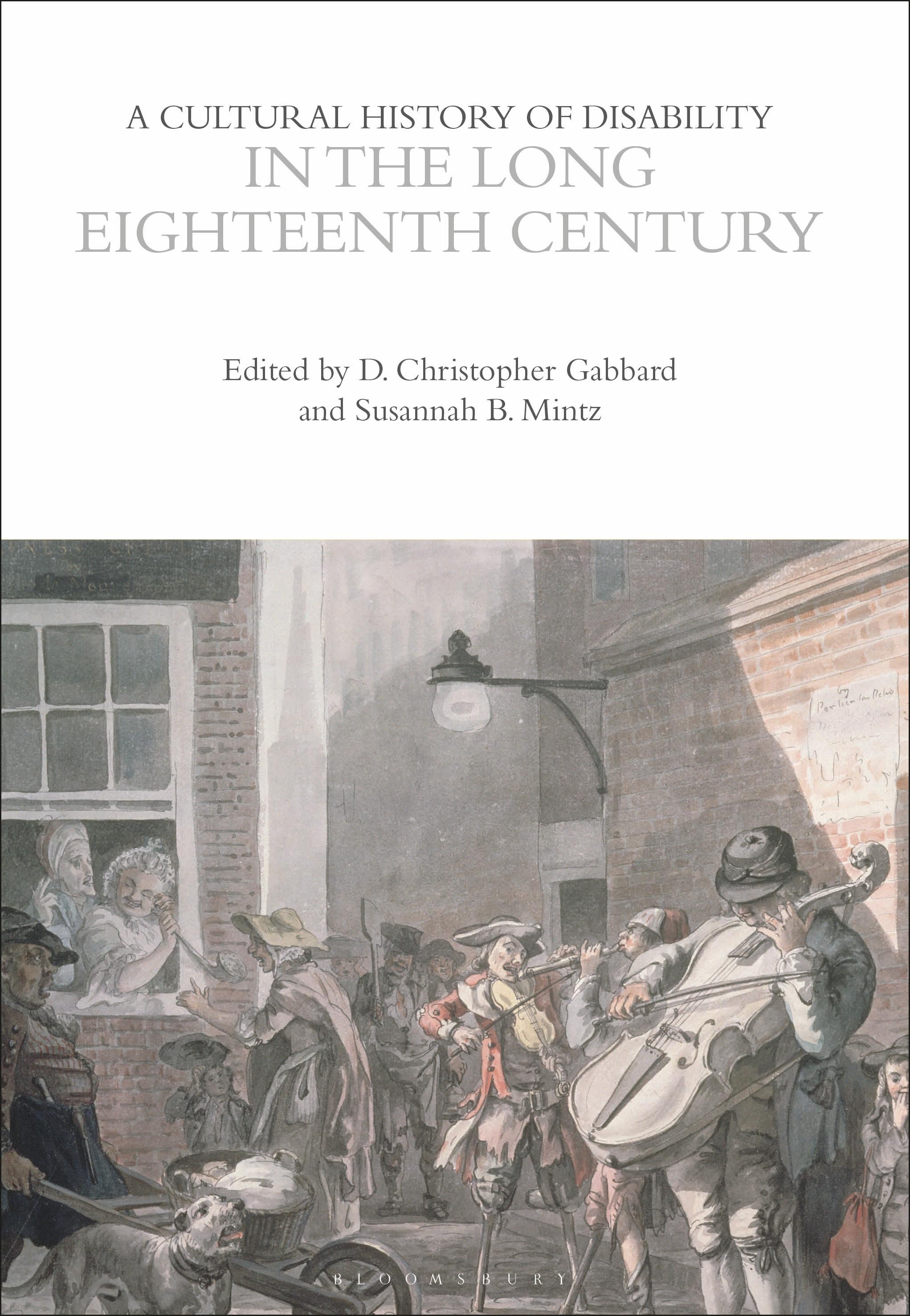
18th century philosopher Edmund Burke wrote, 'deformity is opposed, not to beauty, but to the complete, common form. If one of the legs of a man be found shorter than the other, the man is deformed; because there is something wanting to complete the whole idea we form of a man'. During the long 18th century, new ideas from aesthetics and the emerging scientific disciplines of physics, biology and zoology contributed to changing fundamental notions about human form, function and ability. The interrelated concepts of the natural and the beautiful coalesced into a hegemonic ideology of form, one which defined communal standards regarding which aspects of human appearance and ability would be considered typical and socially acceptable and which would not.
An essential resource for researchers, scholars and students of history, literature, culture and education, A Cultural History of Disability in the Long Eighteenth Century explores such themes and topics as: atypical bodies; mobility impairment; chronic pain and illness; blindness; deafness; speech; learning difficulties; and mental health.
An essential resource for researchers, scholars and students of history, literature, culture and education, A Cultural History of Disability in the Long Eighteenth Century explores such themes and topics as: atypical bodies; mobility impairment; chronic pain and illness; blindness; deafness; speech; learning difficulties; and mental health.
Zahle einfach mit Karte, Klarna, Apple Pay oder Google Pay. Nicht zufrieden? Du hast immer ein 14-tägiges Widerrufsrecht. Lies mehr in unseren AGB. Hast du Fragen, schreib uns eine E-Mail an hello@memmo.org.
Memmo macht das Lernen einfacher – wo auch immer du bist. Bei uns findest du deine Kursbücher und smarte Lerntools an einem Ort: Zusammenfassungen, Quizzes, Podcasts und Lernkarten. Und Ted, dein Lernbuddy, beantwortet alles, was du wissen möchtest. Über 50.000 Studierende lernen bereits hier – gemacht, damit du schneller lernst und weniger Stress hast.