
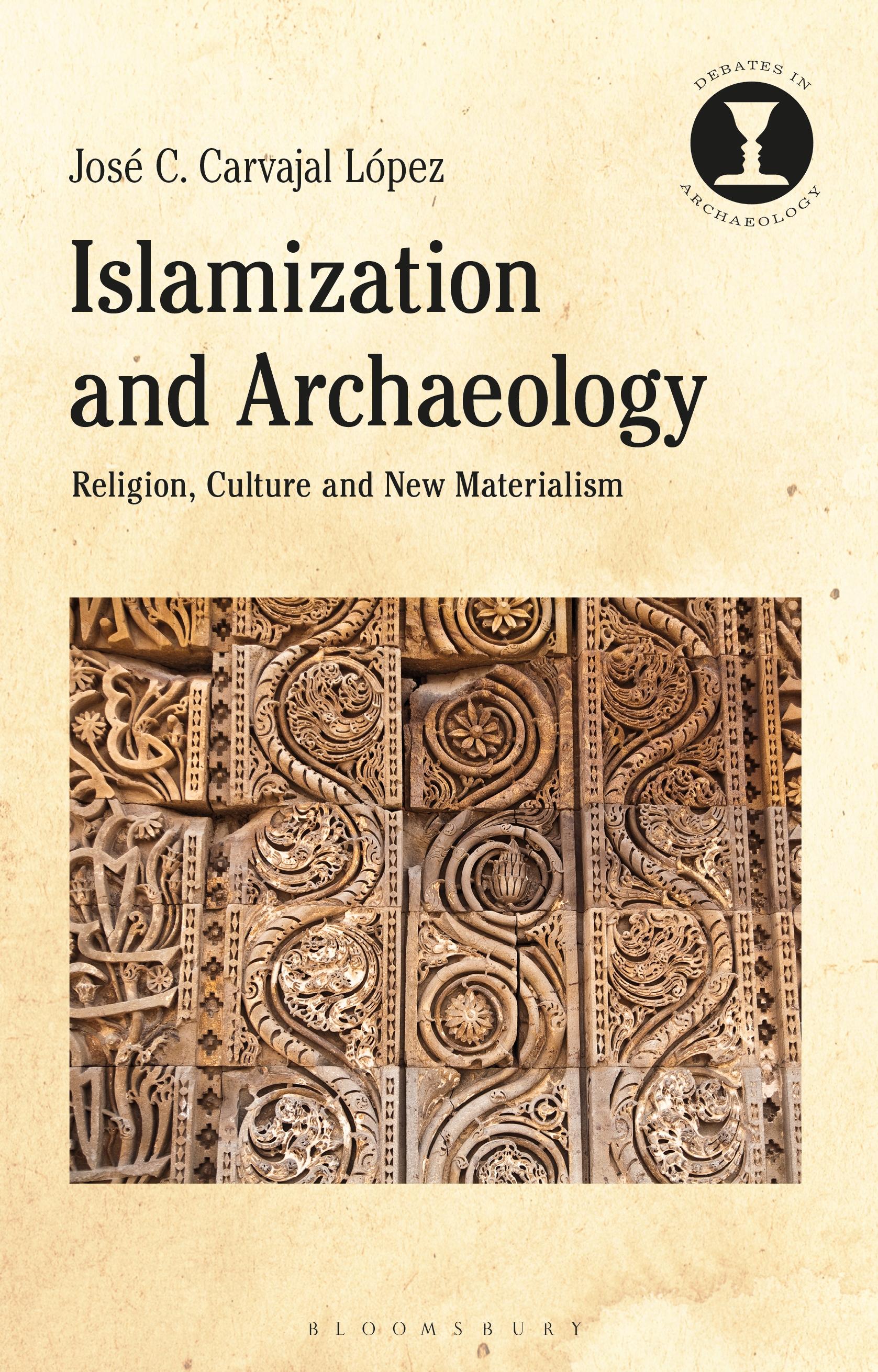
This fresh approach to the study of Islamization proposes an innovative conceptual framework that treats the subject as a particular case of cultural change. The aim of the volume is to make Islamization amenable to archaeological and historical analyses of changes in material conditions of life without forsaking the specific history of Islam. Islam and Islamization must be understood in their particular social context, but also in relation to the conditions that hold them together over large geographical and chronological expanses.
Archaeologists and historians have considered Islamization from a range of different perspectives, from conversion to cultural change, though these studies have tended to be underpinned by a normativist conception of Islam. In contrast, José C. Carvajal López takes a hermeneutical stance, wherein Islam is the result of exploration, and adopts a New Materialist theoretical analysis to explore Islamization and its impact on identities, communities and their material culture. The consequences for the study of Islamization are examined through examples that include some of the author's own experiences.
This innovative take on Islamization is not exclusively interested in the spread of the religion or of the polity, and therefore it overcomes the theoretical limits imposed by the concepts of religious conversion and ideological imposition. This book will appeal to scholars interested in associating cultural and religious change and, in particular, those working on Islam, whether within or outside the discipline of archaeology.
Archaeologists and historians have considered Islamization from a range of different perspectives, from conversion to cultural change, though these studies have tended to be underpinned by a normativist conception of Islam. In contrast, José C. Carvajal López takes a hermeneutical stance, wherein Islam is the result of exploration, and adopts a New Materialist theoretical analysis to explore Islamization and its impact on identities, communities and their material culture. The consequences for the study of Islamization are examined through examples that include some of the author's own experiences.
This innovative take on Islamization is not exclusively interested in the spread of the religion or of the polity, and therefore it overcomes the theoretical limits imposed by the concepts of religious conversion and ideological imposition. This book will appeal to scholars interested in associating cultural and religious change and, in particular, those working on Islam, whether within or outside the discipline of archaeology.
Zahle einfach mit Karte, Klarna, Apple Pay oder Google Pay. Nicht zufrieden? Du hast immer ein 14-tägiges Widerrufsrecht. Lies mehr in unseren AGB. Hast du Fragen, schreib uns eine E-Mail an hello@memmo.org.
Memmo macht das Lernen einfacher – wo auch immer du bist. Bei uns findest du deine Kursbücher und smarte Lerntools an einem Ort: Zusammenfassungen, Quizzes, Podcasts und Lernkarten. Und Ted, dein Lernbuddy, beantwortet alles, was du wissen möchtest. Über 50.000 Studierende lernen bereits hier – gemacht, damit du schneller lernst und weniger Stress hast.