
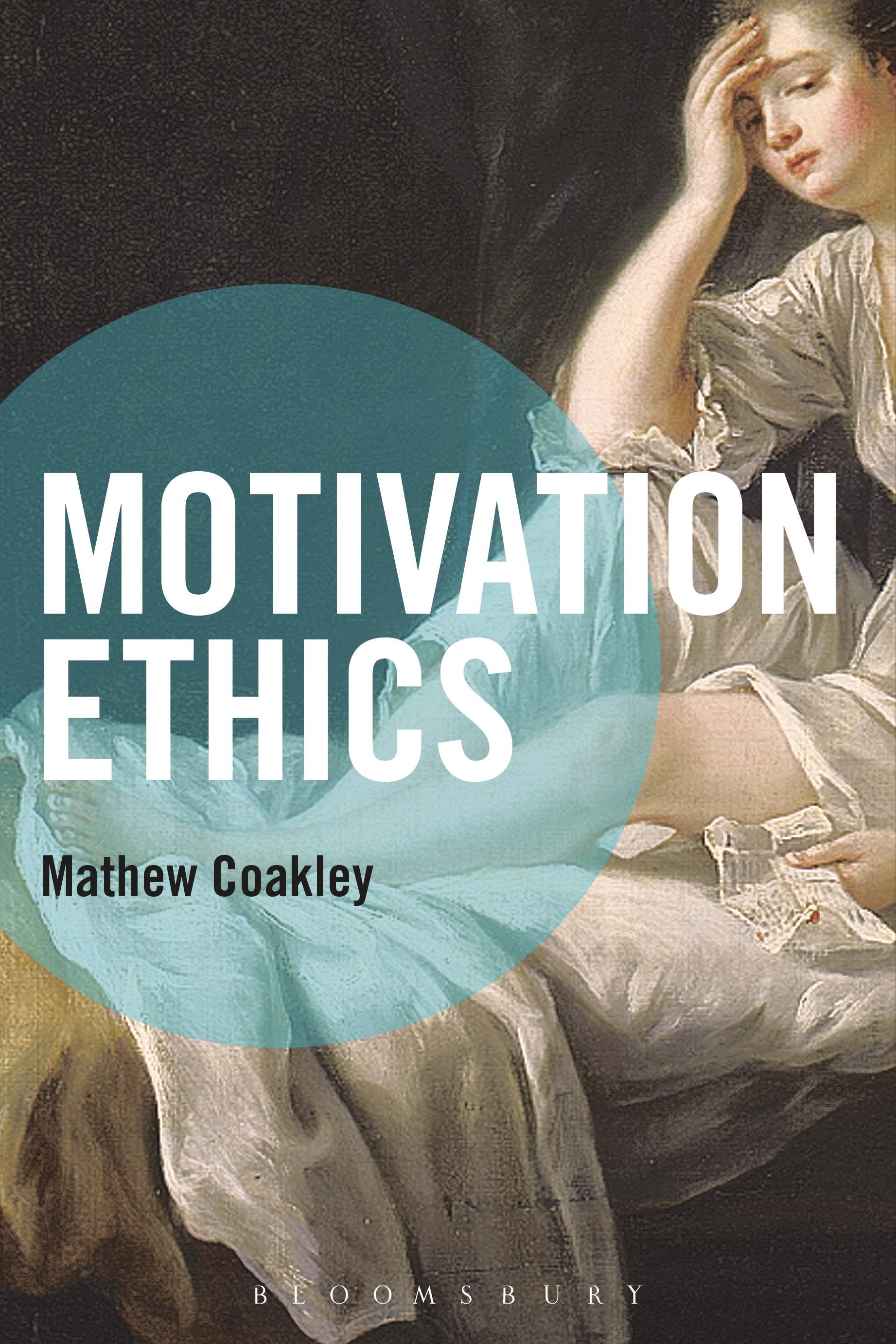
This is a book about a particular moral theory – motivation ethics – and why we should accept it. But it is also a book about moral theorizing, about how we might compare different structures of moral theory.
In principle we might morally evaluate a range of objects: we might, for example, evaluate what people do – is some action right, wrong, permitted, forbidden, a duty or beyond what is required? Or we might evaluate agents: what is it to be morally heroic, or morally depraved, or highly moral? And, we could evaluate institutions: which ones are just, or morally better, or legitimate?
Most theories focus on one (or two) of these and offer arguments against rivals. What this book does is to step back and ask a different question: of the theories that evaluate one object, are they compatible with an acceptable account of the evaluation of the other objects?
So, for instance, if a moral theory tells us which actions are right and wrong, well can it then be compatible with a theory of what it is to be a morally good or bad or heroic or depraved agent (or deny the need for this)? It seems that this would be an easy task, but the book sets out how this is very difficult for some of our most prominent theories, why this is so, and why a theory based on motivations might be the right answer.
In principle we might morally evaluate a range of objects: we might, for example, evaluate what people do – is some action right, wrong, permitted, forbidden, a duty or beyond what is required? Or we might evaluate agents: what is it to be morally heroic, or morally depraved, or highly moral? And, we could evaluate institutions: which ones are just, or morally better, or legitimate?
Most theories focus on one (or two) of these and offer arguments against rivals. What this book does is to step back and ask a different question: of the theories that evaluate one object, are they compatible with an acceptable account of the evaluation of the other objects?
So, for instance, if a moral theory tells us which actions are right and wrong, well can it then be compatible with a theory of what it is to be a morally good or bad or heroic or depraved agent (or deny the need for this)? It seems that this would be an easy task, but the book sets out how this is very difficult for some of our most prominent theories, why this is so, and why a theory based on motivations might be the right answer.
Zahle einfach mit Karte, Klarna, Apple Pay oder Google Pay. Nicht zufrieden? Du hast immer ein 14-tägiges Widerrufsrecht. Lies mehr in unseren AGB. Hast du Fragen, schreib uns eine E-Mail an hello@memmo.org.
Memmo macht das Lernen einfacher – wo auch immer du bist. Bei uns findest du deine Kursbücher und smarte Lerntools an einem Ort: Zusammenfassungen, Quizzes, Podcasts und Lernkarten. Und Ted, dein Lernbuddy, beantwortet alles, was du wissen möchtest. Über 50.000 Studierende lernen bereits hier – gemacht, damit du schneller lernst und weniger Stress hast.