
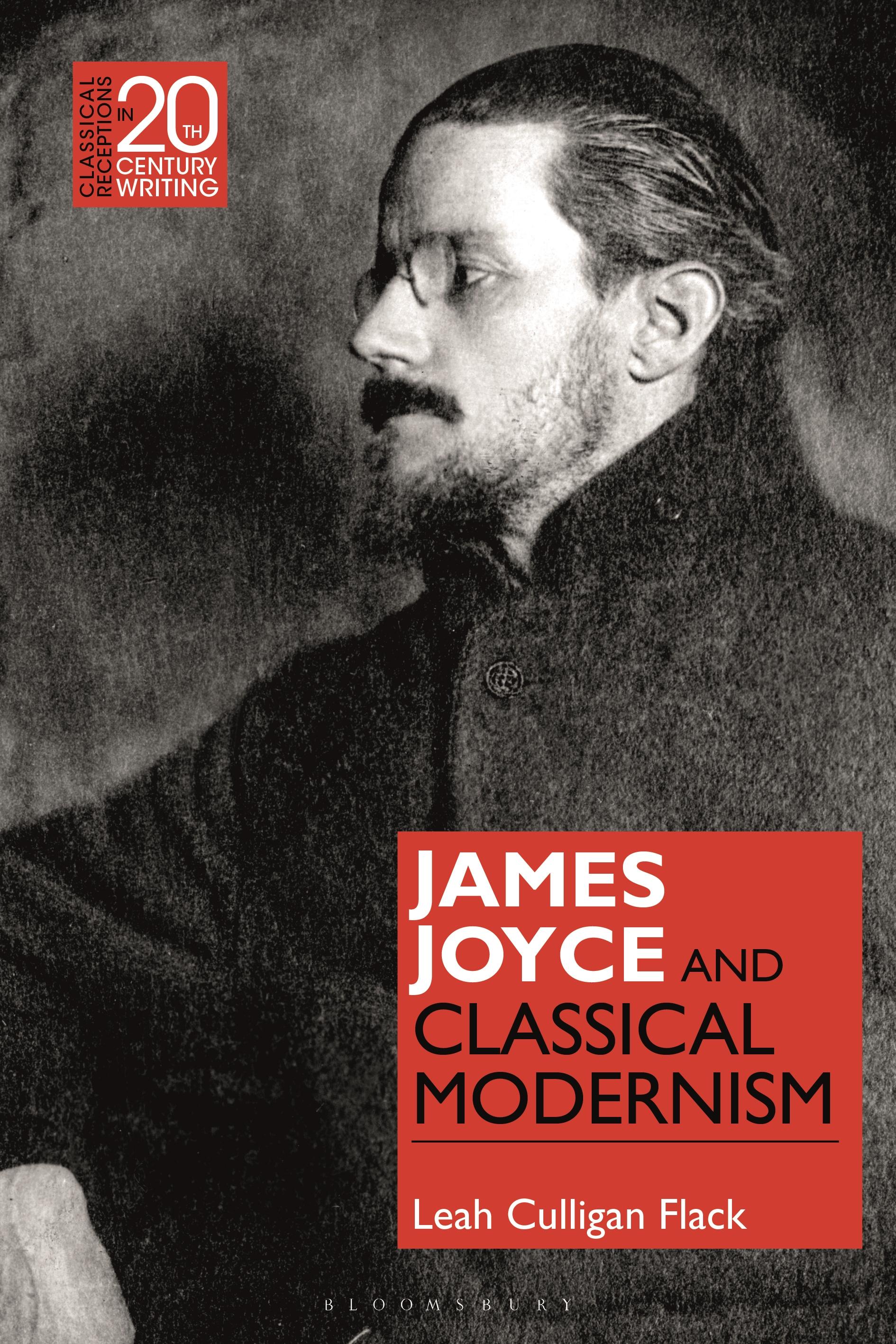
James Joyce and Classical Modernism contends that the classical world animated Joyce's defiant, innovative creativity and cannot be separated from what is now recognized as his modernist aesthetic. Responding to a long-standing critical paradigm that has viewed the classical world as a means of granting a coherent order, shape, and meaning to Joyce's modernist innovations, Leah Flack explores how and why Joyce's fiction deploys the classical as the language of the new.
This study tracks Joyce's sensitive, on-going readings of classical literature from his earliest work at the turn of the twentieth century through to the appearance of Ulysses in 1922, the watershed year of high modernist writing. In these decades, Joyce read ancient and modern literature alongside one another to develop what Flack calls his classical modernist aesthetic, which treats the classical tradition as an ally to modernist innovation. This aesthetic first comes to full fruition in Ulysses, which self-consciously deploys the classical tradition to defend stylistic experimentation as a way to resist static, paralyzing notions of the past. Analysing Joyce's work through his career from his early essays, Flack ends by considering the rich afterlives of Joyce's classical modernist project, with particular attention to contemporary works by Alison Bechdel and Maya Lang.
This study tracks Joyce's sensitive, on-going readings of classical literature from his earliest work at the turn of the twentieth century through to the appearance of Ulysses in 1922, the watershed year of high modernist writing. In these decades, Joyce read ancient and modern literature alongside one another to develop what Flack calls his classical modernist aesthetic, which treats the classical tradition as an ally to modernist innovation. This aesthetic first comes to full fruition in Ulysses, which self-consciously deploys the classical tradition to defend stylistic experimentation as a way to resist static, paralyzing notions of the past. Analysing Joyce's work through his career from his early essays, Flack ends by considering the rich afterlives of Joyce's classical modernist project, with particular attention to contemporary works by Alison Bechdel and Maya Lang.
Seiten: 176
Kategorie: Litteraturvetenskap & Teori
e-ISBN: 9781350004115
Versandgewicht: 1.2 kg
Versand in: 1-2 Tage
Zahle einfach mit Karte, Klarna, Apple Pay oder Google Pay. Nicht zufrieden? Du hast immer ein 14-tägiges Widerrufsrecht. Lies mehr in unseren AGB. Hast du Fragen, schreib uns eine E-Mail an hello@memmo.org.
Memmo macht das Lernen einfacher – wo auch immer du bist. Bei uns findest du deine Kursbücher und smarte Lerntools an einem Ort: Zusammenfassungen, Quizzes, Podcasts und Lernkarten. Und Ted, dein Lernbuddy, beantwortet alles, was du wissen möchtest. Über 50.000 Studierende lernen bereits hier – gemacht, damit du schneller lernst und weniger Stress hast.