
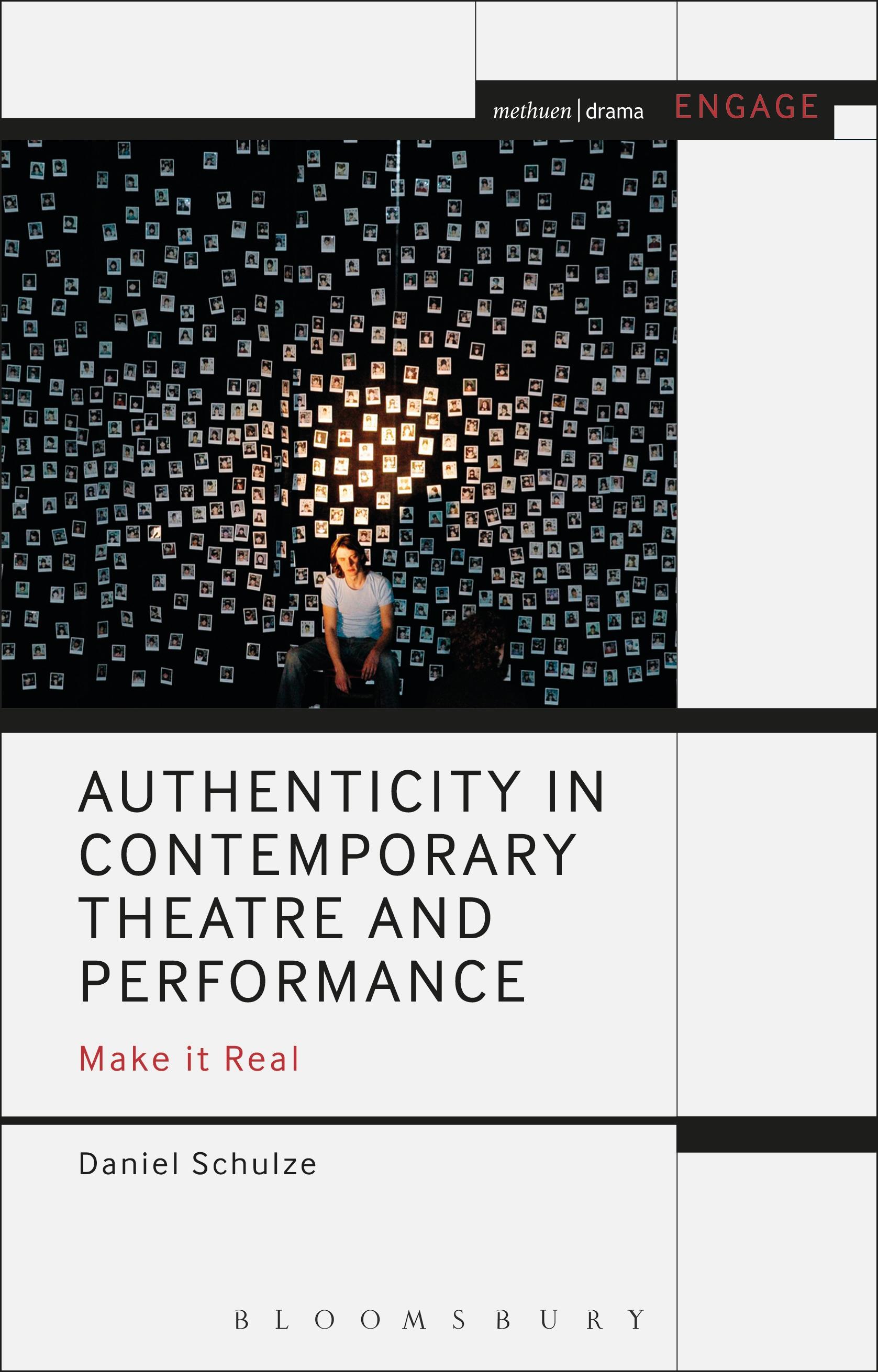
Authenticity is one of the major values of our time. It is visible everywhere, from clothing to food to self-help books. While it is such a prevalent phenomenon, it is also very evasive. This study analyses the 'culture of authenticity' as it relates to theatre and establishes a theoretical framework for analysis. Daniel Schulz argues that authenticity is sought out and marked by the individual and springs from a culture that is perceived as inherently fake and lacking depth. The study examines three types of performances that exemplify this structure of feeling: intimate theatre seen in Forced Entertainment productions such as Quizoola! (1996, 2015), as well as one-on-one performances, such as Oentroerend Goed's Internal (2009); immersive theatres as illustrated by Punchdrunk's shows The Masque of the Red Death (2007) and The Drowned Man (2013) which provide a visceral, sensate understanding for audiences; finally, the study scrutinises the popular category of documentary theatre through various examples such as Robin Soan's Talking to Terrorists (2005), David Hare's Stuff Happens (2004), Edmund Burke's Black Watch (2007) and Dennis Kelly's pseudo-documentary play Taking Care of Baby (2007). It is specifically the value of the document that lends such performances their truth-value and consequently their authenticity.
The study analyses how the success of these disparate categories of performance can be explained through a common concern with notions of truth and authenticity. It argues that this hunger for authentic, unmediated experience is characteristic of a structure of feeling that has superseded postmodernism and that actively seeks to resignify artistic and cultural practices of the everyday.
The study analyses how the success of these disparate categories of performance can be explained through a common concern with notions of truth and authenticity. It argues that this hunger for authentic, unmediated experience is characteristic of a structure of feeling that has superseded postmodernism and that actively seeks to resignify artistic and cultural practices of the everyday.
Zahle einfach mit Karte, Klarna, Apple Pay oder Google Pay. Nicht zufrieden? Du hast immer ein 14-tägiges Widerrufsrecht. Lies mehr in unseren AGB. Hast du Fragen, schreib uns eine E-Mail an hello@memmo.org.
Memmo macht das Lernen einfacher – wo auch immer du bist. Bei uns findest du deine Kursbücher und smarte Lerntools an einem Ort: Zusammenfassungen, Quizzes, Podcasts und Lernkarten. Und Ted, dein Lernbuddy, beantwortet alles, was du wissen möchtest. Über 50.000 Studierende lernen bereits hier – gemacht, damit du schneller lernst und weniger Stress hast.