
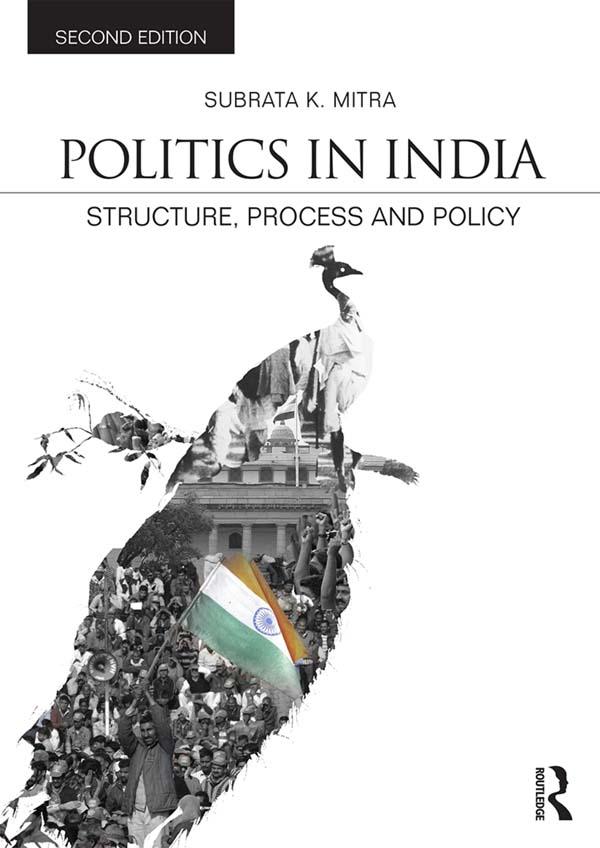
The second edition of this textbook brings together general political theory and the comparative method to interpret socio-political phenomena and issues that have occupied the Indian state and society since 1947. It considers the progress that India has made in some of the most challenging aspects of post-colonial politics such as governance, democracy, economic growth, welfare, and citizenship. Looking at the changed global role of India, its standing in the G-20 and BRICS, as well as the implications of the 2014 Indian general elections for state and society, this updated edition also includes sections on the changing socio-political status of women in India, corruption and terrorism. The author raises several key questions relevant to Indian politics, including:
• Why has India succeeded in making a relatively peaceful transition from colonial rule to a resilient, multi-party democracy in contrast to its South Asian neighbours?
• How has the interaction of modern politics and traditional society contributed to the resilience of post-colonial democracy?
• How did India’s economy moribund—for several decades following Independence—make a breakthrough into rapid growth and can India sustain it?
• And finally, why have collective identity and nationhood emerged as the core issues for India in the twenty-first century and with what implications for Indian democracy?
The textbook goes beyond India by asking about the implications of the Indian case for the general and comparative theory of the post-colonial state. The factors which might have caused failures in democracy and governance are analysed and incorporated as variables into a model of democratic governance. In addition to pedagogical features such as text boxes, a set of further readings is provided to guide readers who wish to go beyond the remit of this text. The book will be essential reading for undergraduate students and researchers in South Asian and Asian studies, political science, development studies, sociology, comparative politics and political theory.
Zahle einfach mit Karte, Klarna, Apple Pay oder Google Pay. Nicht zufrieden? Du hast immer ein 14-tägiges Widerrufsrecht. Lies mehr in unseren AGB. Hast du Fragen, schreib uns eine E-Mail an hello@memmo.org.
Memmo macht das Lernen einfacher – wo auch immer du bist. Bei uns findest du deine Kursbücher und smarte Lerntools an einem Ort: Zusammenfassungen, Quizzes, Podcasts und Lernkarten. Und Ted, dein Lernbuddy, beantwortet alles, was du wissen möchtest. Über 50.000 Studierende lernen bereits hier – gemacht, damit du schneller lernst und weniger Stress hast.