
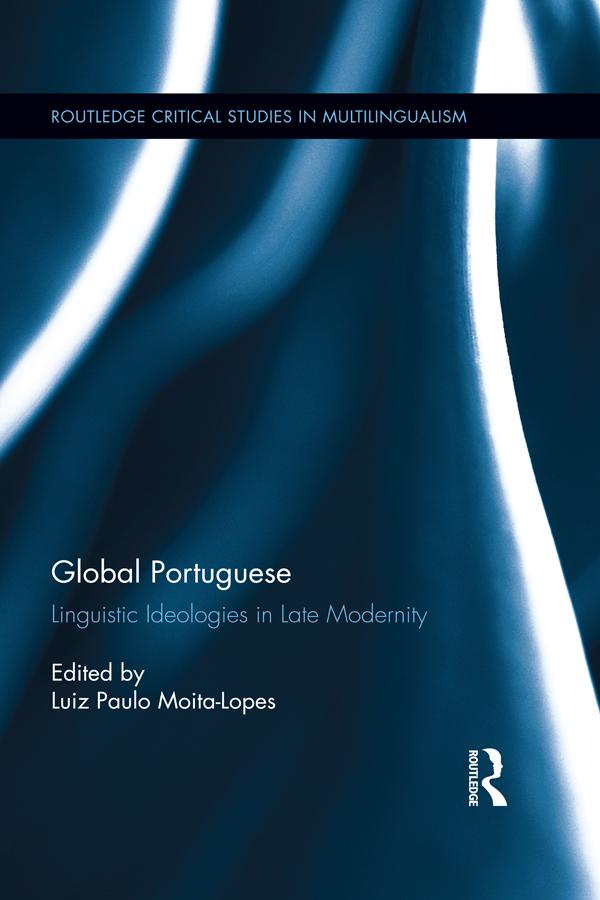
This book aims at deconstructing and problematizing linguistic ideologies related to Portuguese in late modernity and questioning the theoretical presuppositions which have led us to call Portuguese ‘a language.’ Such an endeavor is crucial when we know that Portuguese is a language which is increasingly internationalized, used as the official language in four continents (in ten countries) and which has come to play a relevant role in the so-called linguistic market on the basis of the geopolitical transformations in a multipolar world. The book covers a wide range of social, political and historical contexts in which ‘Portuguese’ is used (in Brazil, Canada, East-Timor, England, Portugal, Mozambique and Uruguay), and considers diverse linguistic practices. Through this critique, contributors chart new directions for research on language ideologies and language practices (including research related to Portuguese and to other ‘languages’) and consider ways of developing new conceptual compasses that are better attuned to the sociolinguistic realities of the late modern era, in which people, texts and languages are increasingly in movement through national borders and those of digital networks of communication.
Zahle einfach mit Karte, Klarna, Apple Pay oder Google Pay. Nicht zufrieden? Du hast immer ein 14-tägiges Widerrufsrecht. Lies mehr in unseren AGB. Hast du Fragen, schreib uns eine E-Mail an hello@memmo.org.
Memmo macht das Lernen einfacher – wo auch immer du bist. Bei uns findest du deine Kursbücher und smarte Lerntools an einem Ort: Zusammenfassungen, Quizzes, Podcasts und Lernkarten. Und Ted, dein Lernbuddy, beantwortet alles, was du wissen möchtest. Über 50.000 Studierende lernen bereits hier – gemacht, damit du schneller lernst und weniger Stress hast.