
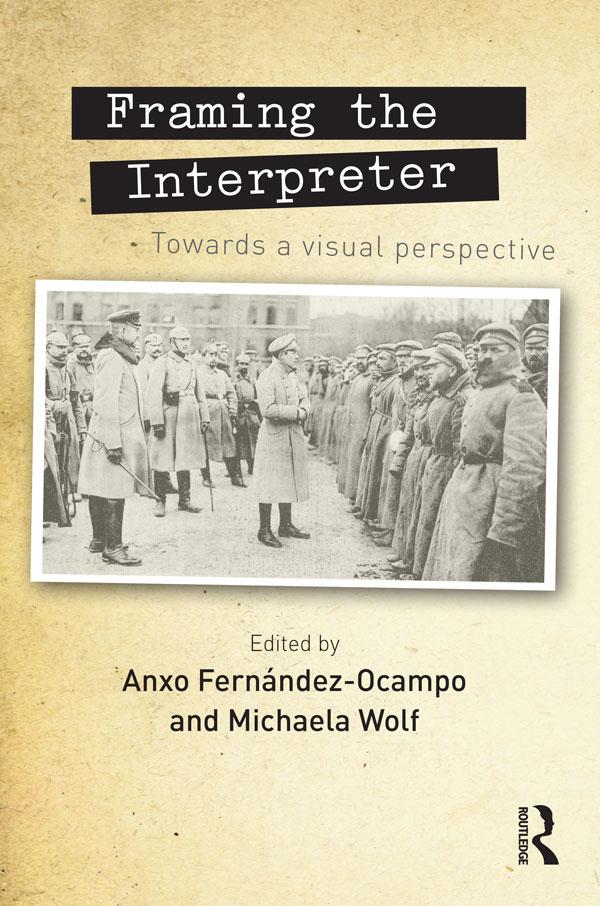
Situations of conflict offer special insights into the history of the interpreter figure, and specifically the part played in that history by photographic representations of interpreters.
This book analyses photo postcards, snapshots and press photos from several historical periods of conflict, associated with different photographic technologies and habits of image consumption: the colonial period, the First and Second World War, and the Cold War. The book’s methodological approach to the "framing" of the interpreter uses tools taken primarily from visual anthropology, sociology and visual syntax to analyse the imagery of the modern era of interpreting. By means of these interpretative frames, the contributions suggest that each culture, subculture or social group constructed its own representation of the interpreter figure through photography.
The volume breaks new ground for image-based research in translation studies by examining photographic representations that reveal the interpreter as a socially constructed category. It locates the interpreter’s mediating efforts at the core of the human sciences.
This book will be of interest to researchers and advanced students in translation and interpreting studies, as well as to those working in visual studies, photography, anthropology and military/conflict studies.
Zahle einfach mit Karte, Klarna, Apple Pay oder Google Pay. Nicht zufrieden? Du hast immer ein 14-tägiges Widerrufsrecht. Lies mehr in unseren AGB. Hast du Fragen, schreib uns eine E-Mail an hello@memmo.org.
Memmo macht das Lernen einfacher – wo auch immer du bist. Bei uns findest du deine Kursbücher und smarte Lerntools an einem Ort: Zusammenfassungen, Quizzes, Podcasts und Lernkarten. Und Ted, dein Lernbuddy, beantwortet alles, was du wissen möchtest. Über 50.000 Studierende lernen bereits hier – gemacht, damit du schneller lernst und weniger Stress hast.