
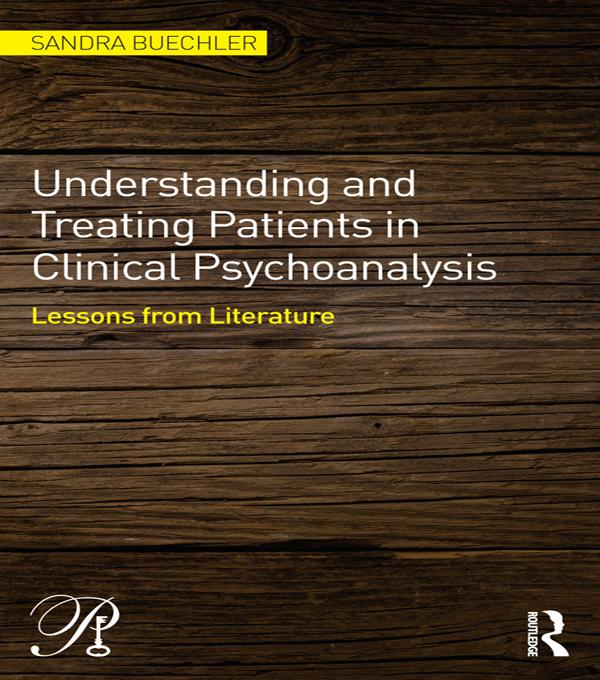
Understanding and Treating Patients in Clinical Psychoanalysis: Lessons from Literature describes the problematic ways people learn to cope with life’s fundamental challenges, such as maintaining self-esteem, bearing loss, and growing old. People tend to deal with the challenges of being human in characteristic, repetitive ways. Descriptions of these patterns in diagnostic terms can be at best dry, and at worst confusing, especially for those starting training in any of the clinical disciplines. To try to appeal to a wider audience, this book illustrates each coping pattern using vivid, compelling fiction whose characters express their dilemmas in easily accessible, evocative language. Sandra Buechler uses these examples to show some of the ways we complicate our lives and, through reimagining different scenarios for these characters, she illustrates how clients can achieve greater emotional health and live their lives more productively.
Drawing on the work of Dostoevsky, Tolstoy, Munro, Mann, James, O’Connor, Chopin, McCullers, Carver, and the many other authors represented here, Buechler shows how their keen observational short fiction portrays self-hurtful styles of living. She explores how human beings cope using schizoid, paranoid, grandiose, hysteric, obsessive, and other defensive styles. Each is costly, in many senses, and each limits the possibility for happiness and fulfillment.
Understanding and Treating Patients in Clinical Psychoanalysis offers insights into what living with and working with problematic behaviors really means through a series of examples of the major personality disorders as portrayed in literature. Through these fictitious examples, clinicians and trainees, and undergraduate and graduate students can gain a greater understanding of how someone becomes paranoid, schizoid, narcissistic, obsessive, or depressive, and how that affects them, and those around them, including the mental health professionals who work with them.
Zahle einfach mit Karte, Klarna, Apple Pay oder Google Pay. Nicht zufrieden? Du hast immer ein 14-tägiges Widerrufsrecht. Lies mehr in unseren AGB. Hast du Fragen, schreib uns eine E-Mail an hello@memmo.org.
Memmo macht das Lernen einfacher – wo auch immer du bist. Bei uns findest du deine Kursbücher und smarte Lerntools an einem Ort: Zusammenfassungen, Quizzes, Podcasts und Lernkarten. Und Ted, dein Lernbuddy, beantwortet alles, was du wissen möchtest. Über 50.000 Studierende lernen bereits hier – gemacht, damit du schneller lernst und weniger Stress hast.