
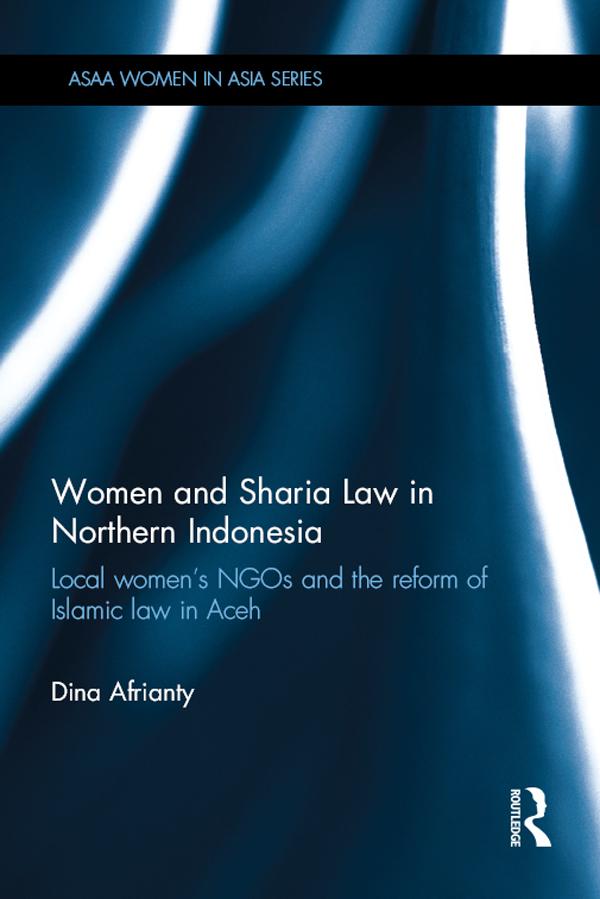
This book examines the life of women in the Indonesian province of Aceh, where Islamic law was introduced in 1999. It outlines how women have had to face the formalisation of conservative understandings of sharia law in regulations and new state institutions over the last decade or so, how they have responded to this, forming non-governmental organisations (NGOs) that have shaped local discourse on women’s rights, equality and status in Islam, and how these NGOs have strategised, demanded reform, and enabled Acehnese women to take active roles in influencing the processes of democratisation and Islamisation that are shaping the province. The book shows that although the formal introduction of Islamic law in Aceh has placed restrictions on women’s freedom, paradoxically it has not prevented them from engaging in public life. It argues that the democratisation of Indonesia, which allowed Islamisation to occur, continues to act as an important factor shaping Islamisation’s current trajectory; that the introduction of Islamic law has motivated women’s NGOs and other elements of civil society to become more involved in wider discussions about the future of sharia in Aceh; and that Indonesia’s recent decentralisation policy and growing local Islamism have enabled the emergence of different religious and local adat practices, which do not necessarily correspond to overall national trends.
Zahle einfach mit Karte, Klarna, Apple Pay oder Google Pay. Nicht zufrieden? Du hast immer ein 14-tägiges Widerrufsrecht. Lies mehr in unseren AGB. Hast du Fragen, schreib uns eine E-Mail an hello@memmo.org.
Memmo macht das Lernen einfacher – wo auch immer du bist. Bei uns findest du deine Kursbücher und smarte Lerntools an einem Ort: Zusammenfassungen, Quizzes, Podcasts und Lernkarten. Und Ted, dein Lernbuddy, beantwortet alles, was du wissen möchtest. Über 50.000 Studierende lernen bereits hier – gemacht, damit du schneller lernst und weniger Stress hast.