
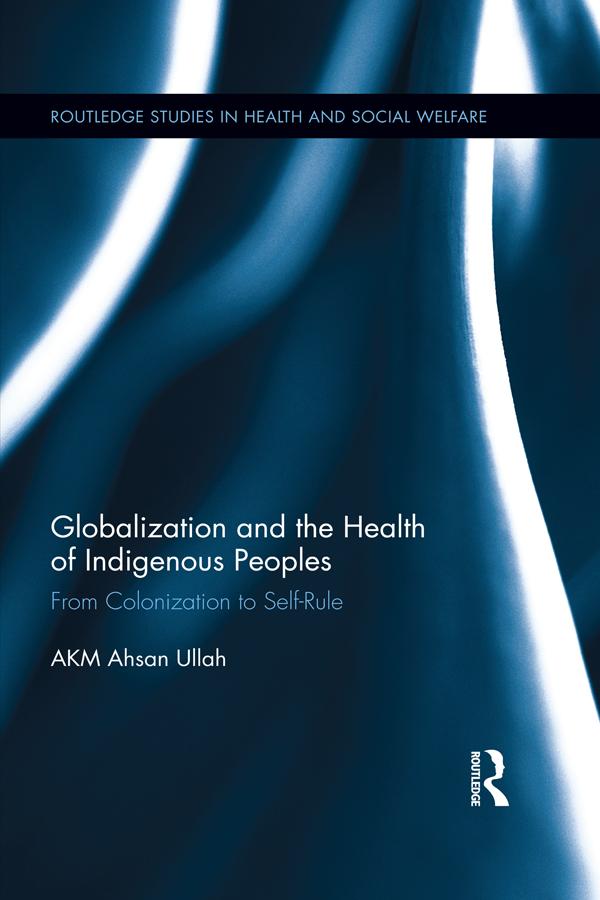
In 70 countries worldwide, there is an estimated 370 million indigenous peoples, and their rich diversity of cultures, religions, traditions, languages and histories has been significant source of our scholarships. However, the health status of this population group is far below than that of non-indigenous populations by all standards. Could the persisting reluctance to understand the influence of self-governance, globalization and social determinants of health in the lives of these people be deemed as a contributor to the poor health of indigenous peoples?
Within this volume, Ullah explores the gap in health status between indigenous and non-indigenous peoples by providing a comparative assessment of socio-economic and health indicators for indigenous peoples, government policies, and the ways in which indigenous peoples have been resisting and adapting to state policies.
A timely book for a growing field of study, Globalization and the Health of Indigenous Peoples is a must read for academics, policy-makers, and practitioners who are interested in indigenous studies and in understanding the role that globalization plays for the improvement of indigenous peoples’ health across the world.
Zahle einfach mit Karte, Klarna, Apple Pay oder Google Pay. Nicht zufrieden? Du hast immer ein 14-tägiges Widerrufsrecht. Lies mehr in unseren AGB. Hast du Fragen, schreib uns eine E-Mail an hello@memmo.org.
Memmo macht das Lernen einfacher – wo auch immer du bist. Bei uns findest du deine Kursbücher und smarte Lerntools an einem Ort: Zusammenfassungen, Quizzes, Podcasts und Lernkarten. Und Ted, dein Lernbuddy, beantwortet alles, was du wissen möchtest. Über 50.000 Studierende lernen bereits hier – gemacht, damit du schneller lernst und weniger Stress hast.