
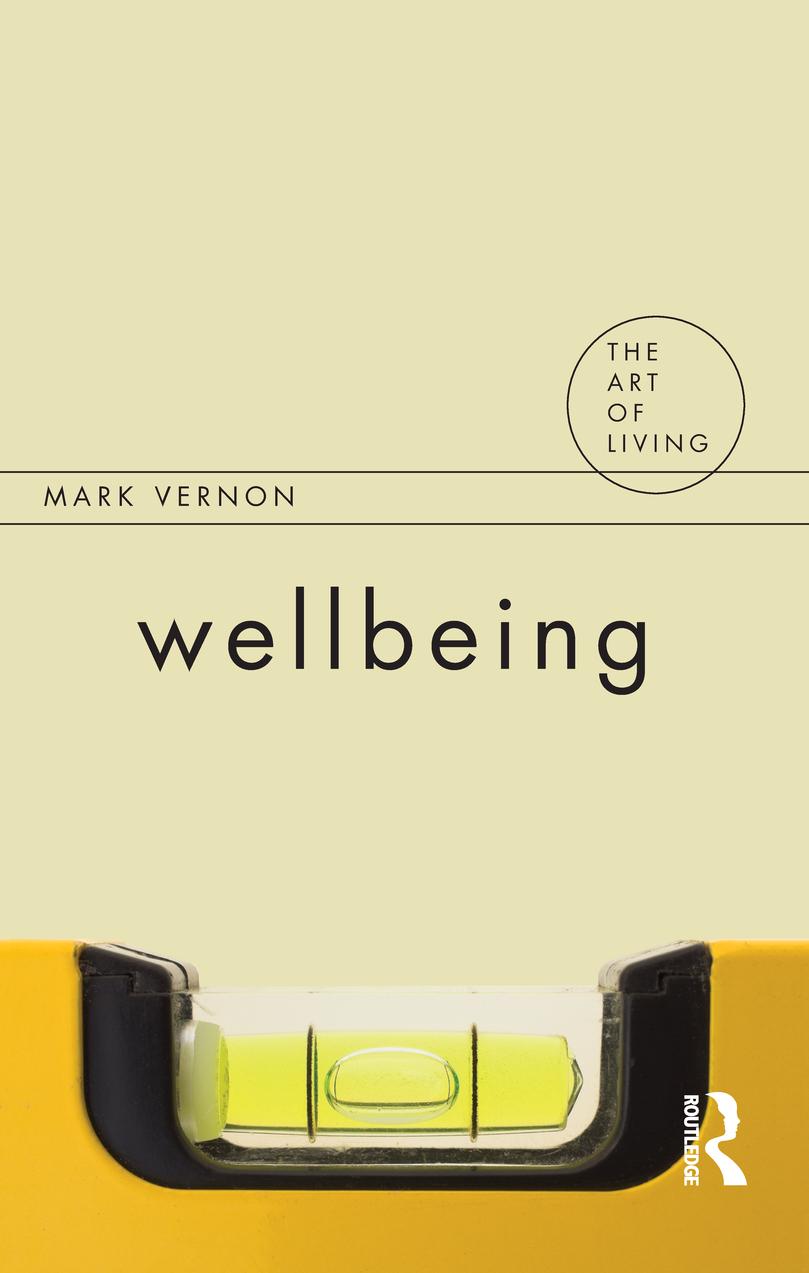
The politics of wellbeing and the new science of happiness have shot up the agenda since Martin Seligman coined the phrase "positive psychology". After all, who does not want to live the good life? So ten years on, why is it that much of this otherwise welcome debate sounds like as much apple-pie - "work less", "earn enough", "keep fit", "find meaning", "enjoy freedoms"? The reason is not, ultimately, cynicism. Rather, it is because a central, tricky question is being glossed over: just what is wellbeing? Mark Vernon argues that positive psychology has overlooked and sidelined the ancient wisdom on wellbeing, notably from the Greek philosophers. Now is the time to pay it proper attention.Vernon shows, surprisingly, that wellbeing is not found in a focus on pleasure, or even the pursuit of happiness itself. Rather, it is a question of meaning and responding to the great challenge of our day: the search for transcendence. For at root, the life that is going well cultivates a way of life based upon love: it is that which draws you out of yourself - in friends, hopes and ultimately the contemplation of mystery - and orientates a life towards that which is good.
Zahle einfach mit Karte, Klarna, Apple Pay oder Google Pay. Nicht zufrieden? Du hast immer ein 14-tägiges Widerrufsrecht. Lies mehr in unseren AGB. Hast du Fragen, schreib uns eine E-Mail an hello@memmo.org.
Memmo macht das Lernen einfacher – wo auch immer du bist. Bei uns findest du deine Kursbücher und smarte Lerntools an einem Ort: Zusammenfassungen, Quizzes, Podcasts und Lernkarten. Und Ted, dein Lernbuddy, beantwortet alles, was du wissen möchtest. Über 50.000 Studierende lernen bereits hier – gemacht, damit du schneller lernst und weniger Stress hast.
Das könnte dir auch gefallen
Buch kaufen0