
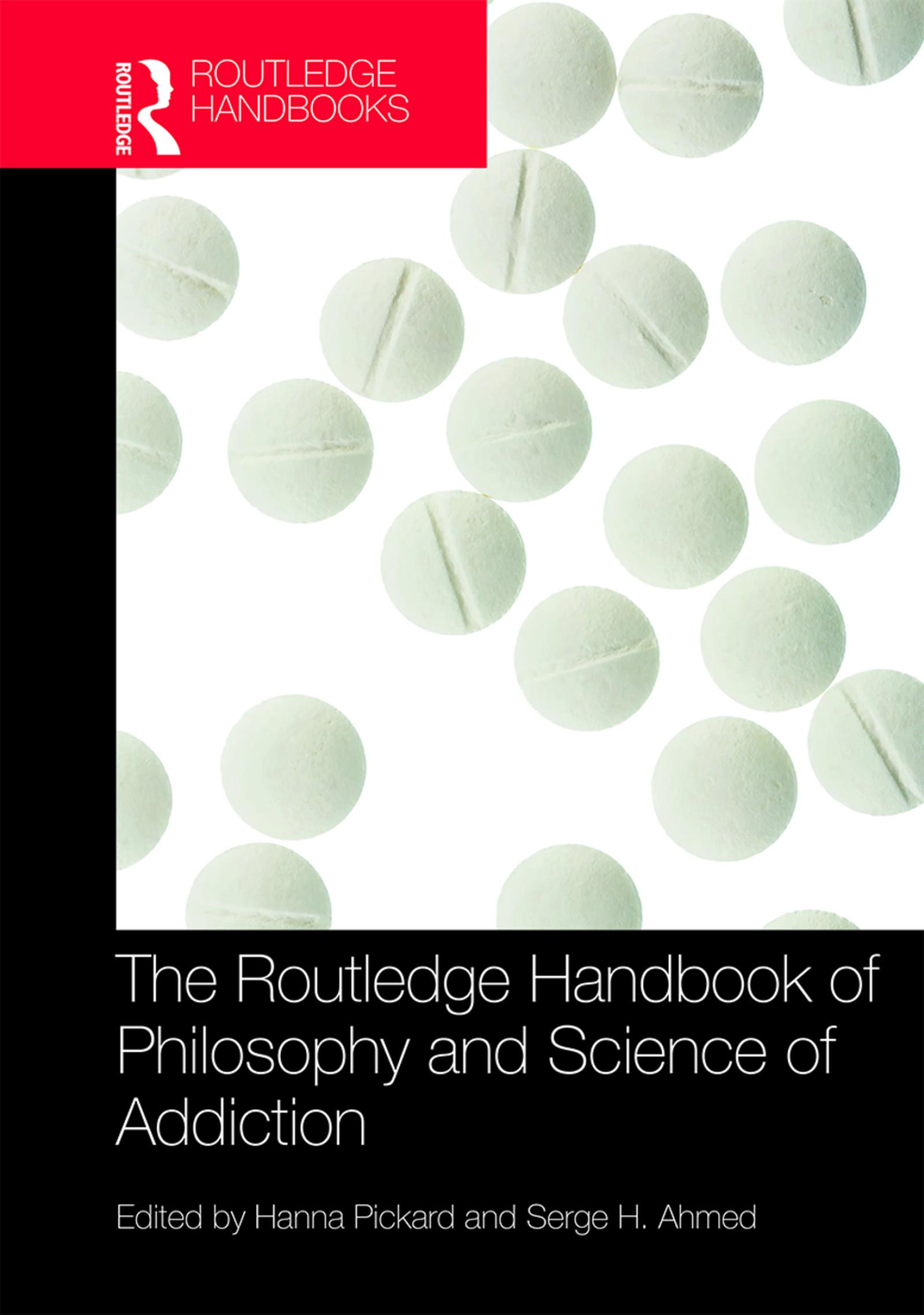
The problem of addiction is one of the major challenges and controversies confronting medicine and society. It also poses important and complex philosophical and scientific problems. What is addiction? Why does it occur? And how should we respond to it, as individuals and as a society?
The Routledge Handbook of Philosophy and Science of Addiction is an outstanding reference source to the key topics, problems and debates in this exciting subject. It spans several disciplines and is the first collection of its kind. Organised into three clear parts, forty-five chapters by a team of international contributors examine key areas, including:
- the meaning of addiction to individuals
- conceptions of addiction
- varieties and taxonomies of addiction
- methods and models of addiction
- evolution and addiction
- history, sociology and anthropology
- population distribution and epidemiology
- developmental processes
- vulnerabilities and resilience
- psychological and neural mechanisms
- prevention, treatment and spontaneous recovery
- public health and the ethics of care
- social justice, law and policy.
Essential reading for students and researchers in addiction research and in philosophy, particularly philosophy of mind and psychology and ethics, The Routledge Handbook of Philosophy and Science of Addiction will also be of great interest to those in related fields, such as medicine, mental health, social work, and social policy.
Zahle einfach mit Karte, Klarna, Apple Pay oder Google Pay. Nicht zufrieden? Du hast immer ein 14-tägiges Widerrufsrecht. Lies mehr in unseren AGB. Hast du Fragen, schreib uns eine E-Mail an hello@memmo.org.
Memmo macht das Lernen einfacher – wo auch immer du bist. Bei uns findest du deine Kursbücher und smarte Lerntools an einem Ort: Zusammenfassungen, Quizzes, Podcasts und Lernkarten. Und Ted, dein Lernbuddy, beantwortet alles, was du wissen möchtest. Über 50.000 Studierende lernen bereits hier – gemacht, damit du schneller lernst und weniger Stress hast.