
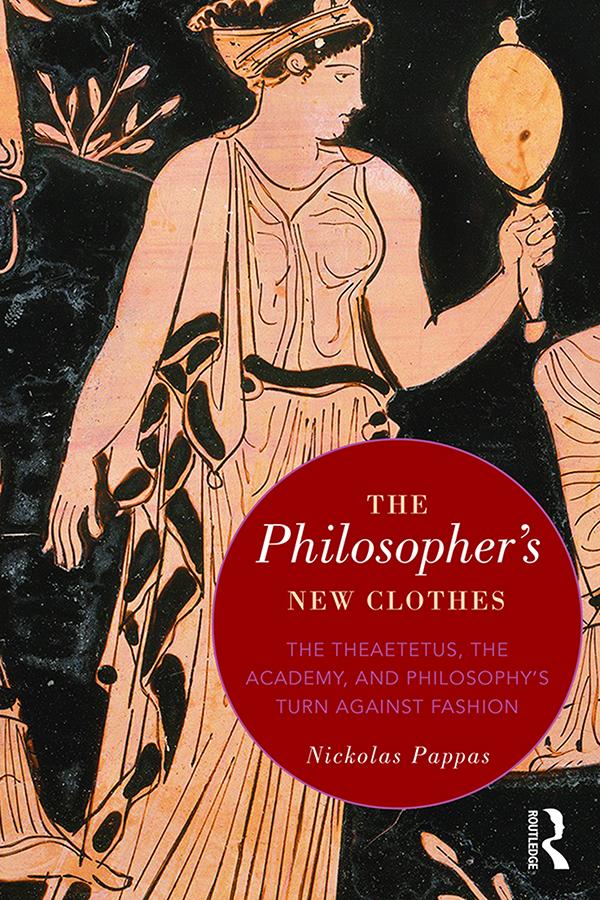
This book takes a new approach to the question, "Is the philosopher to be seen as universal human being or as eccentric?". Through a reading of the Theaetetus, Pappas first considers how we identify philosophers – how do they appear, in particular how do they dress? The book moves to modern philosophical treatments of fashion, and of "anti-fashion". He argues that aspects of the fashion/anti-fashion debate apply to antiquity, indeed that nudity at the gymnasia was an anti-fashion. Thus anti-fashion provides a way of viewing ancient philosophy’s orientation toward a social world in which, for all its true existence elsewhere, philosophy also has to live.
Zahle einfach mit Karte, Klarna, Apple Pay oder Google Pay. Nicht zufrieden? Du hast immer ein 14-tägiges Widerrufsrecht. Lies mehr in unseren AGB. Hast du Fragen, schreib uns eine E-Mail an hello@memmo.org.
Memmo macht das Lernen einfacher – wo auch immer du bist. Bei uns findest du deine Kursbücher und smarte Lerntools an einem Ort: Zusammenfassungen, Quizzes, Podcasts und Lernkarten. Und Ted, dein Lernbuddy, beantwortet alles, was du wissen möchtest. Über 50.000 Studierende lernen bereits hier – gemacht, damit du schneller lernst und weniger Stress hast.